
Putin's Representative Warns of 'Berserk Mode' Risk for Russia's Economy
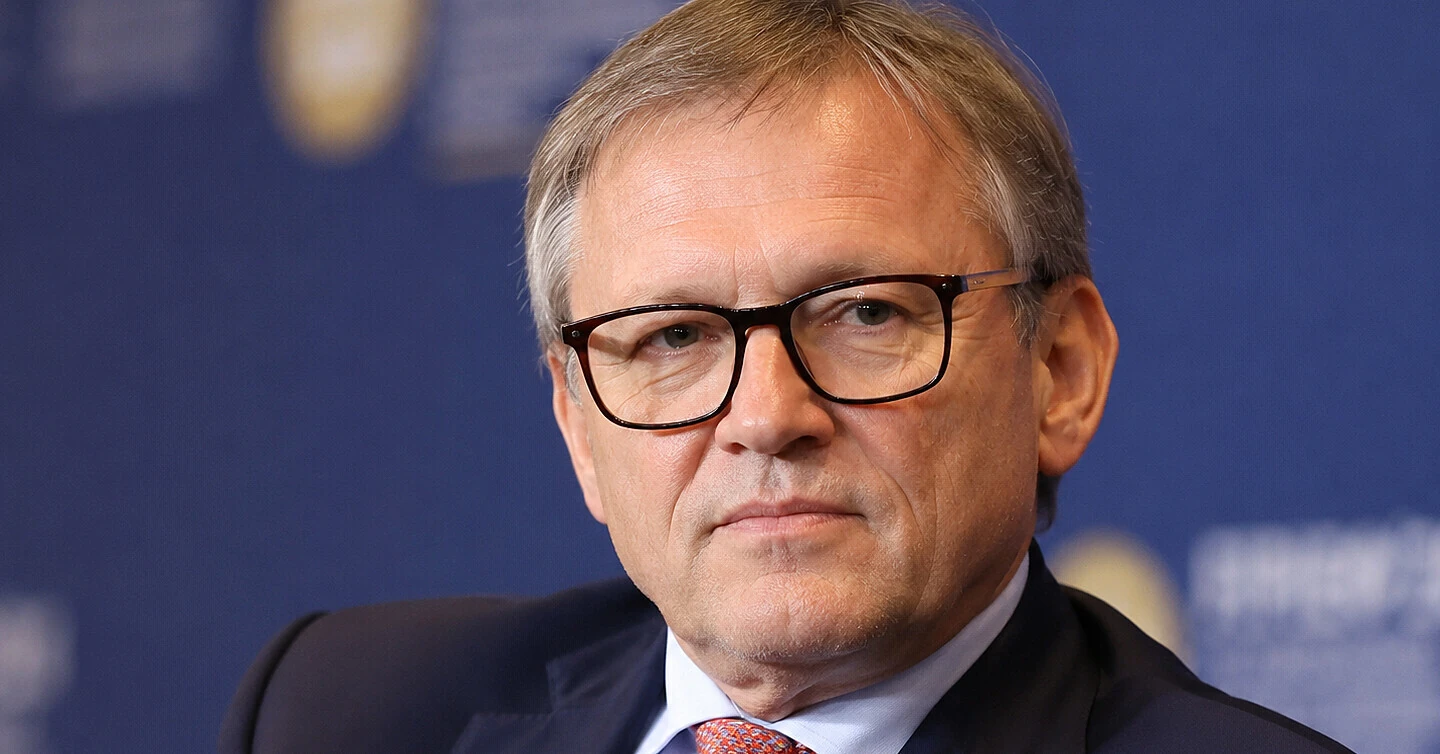
A complete reorientation of the Russian economy toward military needs could force it into a kind of "berserk mode" that can exist only for a limited time. Special Representative of the President of Russia for Relations with International Organizations to Achieve Sustainable Development Goals Boris Titov issued this warning.
In an interview with RBC ahead of the Eastern Economic Forum, Titov said that the military and civilian sectors of the economy can coexist, but it is critically important to maintain a balance between them. He noted that many technologies historically entered the civilian sphere from the military-industrial complex, but mobilizing the entire economy for war represents a different model.
"This is not an economy at all; it is a kind of 'berserk mode,' which can exist only for an extremely limited time, and one must think a hundred times about whether it is necessary," — Titov said.
Reuters notes that such a public warning from someone in the circle of Russian power was a rare expression of concern about the mounting burden of war on Russia's slowing economy. During the full-scale invasion, Russian authorities raised taxes, significantly increased military spending, and stepped up pressure on business, demanding additional war-related expenditures from it.
Growth of the Russian economy has almost stopped
The economic situation in Russia has noticeably worsened after a period of growth supported by massive government spending on defense. In May, the Ministry of Economic Development of the Russian Federation lowered its GDP growth forecast for 2026 to 0.4%, compared to 1.3% in the previous version. Stagnation or decline in production is simultaneously recorded in many civilian industries.
The discussion about the limits of military mobilization of the economy has become more prominent in recent weeks among other representatives of Russian power. In August, Moscow Mayor Sergei Sobyanin called talk of putting the entire economy on a war footing "worthless."
According to him, Russia is effectively waging a war on two fronts simultaneously: the actual military and the economic. Sobyanin warned that destroying the normal civilian economy would mean destroying the country itself, because without it tax revenues and public incomes shrink.
Criticism of the war economy has already cost a Russian economist his job
Titov's warning came shortly after the dismissal of Andrei Klepach, chief economist at the state corporation VEB.RF. In August he lost his post after his critical assessments of Russia's ability to withstand a prolonged "war of attrition" became public.
Klepach argued that Russia is losing the economic and technological competition and risks facing a serious social crisis. VEB officially confirmed his departure, but did not name the reason for the dismissal. Sources in Russian and foreign media linked the decision precisely to the economist's public statements.
Against this background, Titov's statement shows that even within the Russian system the debate over the cost of further increasing military spending is intensifying. He did not call for reducing funding for the army, but spoke of the need to preserve a functioning civilian sector and not move the entire economy to a model of total military mobilization.
