
Iran has expanded the blacklist of ships for passage through the Strait of Hormuz
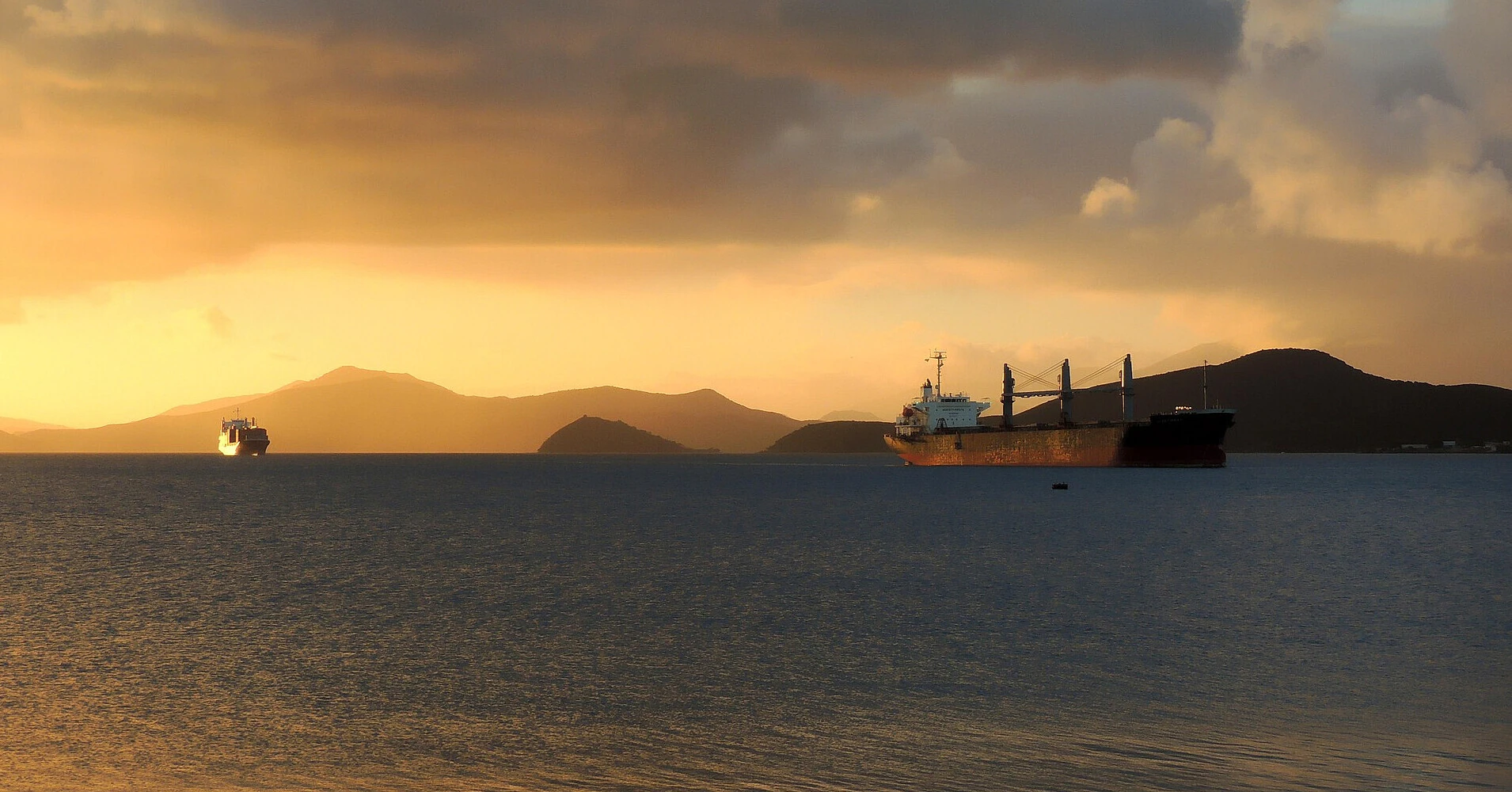
Iran has added 11 more vessels to the list of violators of the rules for passage through the Strait of Hormuz established by Tehran. There are now 56 ships on the list that face fines, detention, or confiscation when trying to pass through the strategic waterway.
The updated list appeared on the website of the Iran-created Hormuz Strait and Persian Gulf Authority (PGSA), reports Reuters with reference to data from the agency and sources in the shipping industry. According to them, the new ships were added within the last 24 hours.
Initially, on August 24, Tehran blacklisted 45 vessels that the Iranian side claims violated its navigation rules through Hormuz.
The list includes oil and gas tankers
The restrictions apply to different types of vessels. Among them are very large crude carriers (VLCC), carriers of liquefied natural gas and liquefied petroleum gas, as well as tankers for transporting petroleum products.
The initial list included, among others, vessels associated with the UAE's ADNOC Logistics & Services, its subsidiary Navig8 Tankers, and the national shipping operator of Saudi Arabia, Bahri.
The PGSA warned that restrictions may apply not only to the listed vessels themselves. Any vessel that interacts with them through ship-to-ship oil transfer or other cargo transshipment operations may also be added to the list of violators.
To be removed from the blacklist, the shipowner must send an official statement to the Iranian agency and justify their request.
Companies have begun to abandon the listed tankers
Iran's threats are already affecting the oil market. After the first list was published, at least three Indian refineries and one major international energy company decided to stop using the restricted vessels due to safety risks, Reuters sources reported.
This creates additional difficulties for oil and gas exports from the Gulf countries. Before the start of the current war, about 20% of the world's oil and liquefied natural gas supplies passed through the Strait of Hormuz. With the start of hostilities, shipping through the strait has sharply decreased.
Shipowners find themselves between Iran's demands and US sanctions
The situation is complicated by the fact that in May the United States imposed sanctions on the PGSA. As a result, interaction with the Iranian agency, including possible payment of passage fees, could create sanction risks for shipowners and other participants in transportation.
Thus, ship operators face contradictory requirements: refusal to comply with Tehran's terms may lead to detention or confiscation of the vessel, while cooperation with the Iranian structure could have consequences from the United States.
The new restrictions come amid another escalation around the Strait of Hormuz. In recent days, attacks on oil tankers have again been recorded in the region, and risks to shipping have become one of the factors driving up global oil prices.
