
156.5 thousand vacancies on veterans' platform: how Ukrainian business is changing its approach to hiring military personnel
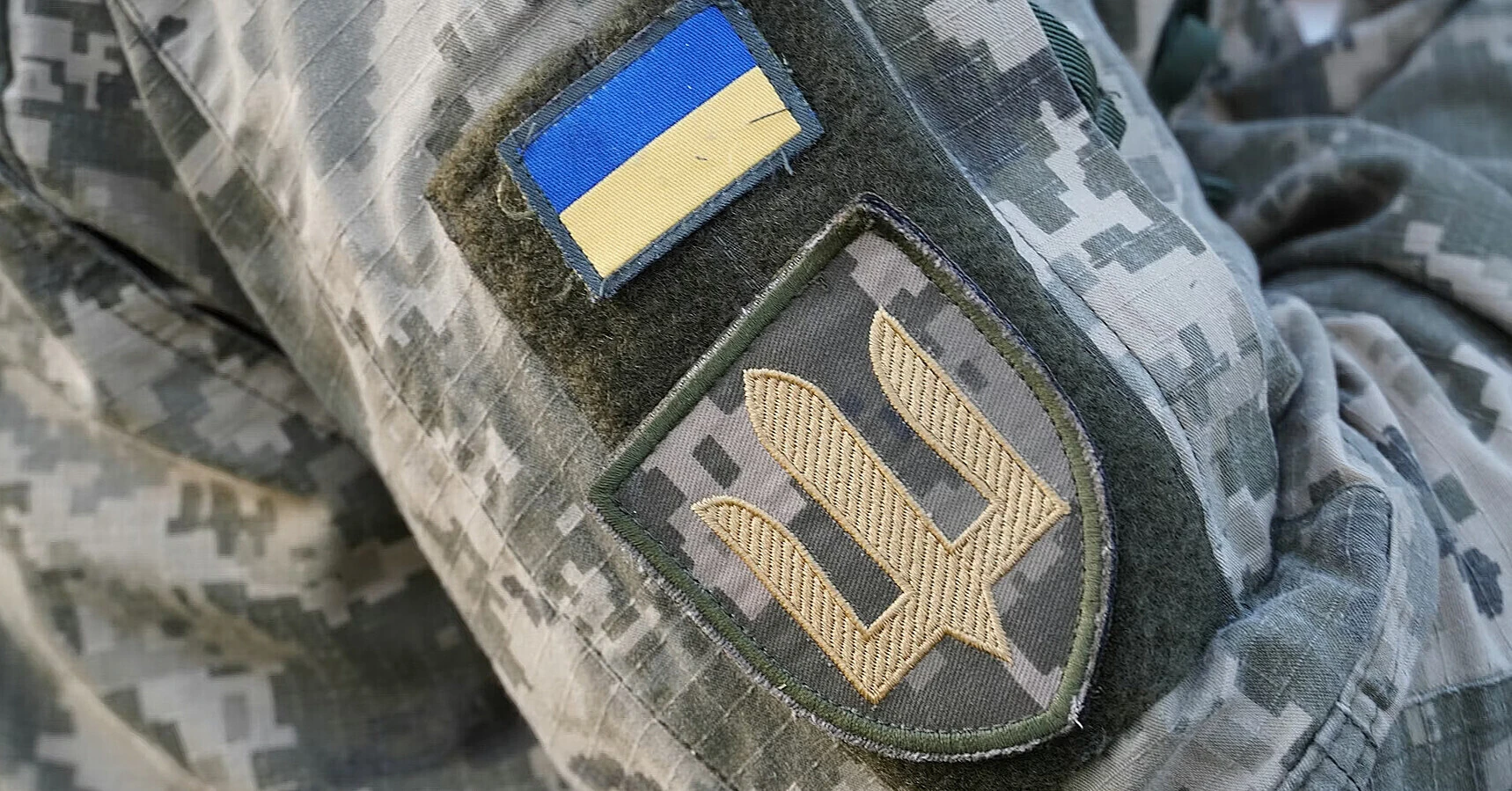
The Ukrainian labor market for veterans is gradually moving from talk of readiness to hire former military personnel to concrete tools. By the beginning of September, more than 156.5 thousand vacancies from 1,234 employers were already available on the "Veteran's Career" platform, and large companies are beginning to restructure not only recruitment, but also the adaptation of people after service.
Fresh cases from Fozzy Group, MacPaw, and TAF Industries show an unexpected result: many changes businesses fear do not require expensive office renovations or special programs. The main barriers are often communication, stereotypes, and untrained managers.
The number of vacancies on the platform has increased by more than 43 thousand
As early as early May, the state-run Veteran's Career platform had just over 113 thousand active vacancies and more than 1.1 thousand employers.
By September 1, the database had already grown to 156.5 thousand jobs and the number of employers to 1,234.
This does not mean that all 156.5 thousand vacancies are reserved exclusively for veterans. The platform aggregates offers from private business, government institutions, and the public sector and helps people match them with their own experience.
One of the key tools is the Military Skills Translator. It translates military positions and skills into the language of the civilian labor market so that, for example, unit management, logistics, or work with complex equipment do not disappear from a resume under the general phrase "service in the Armed Forces."
Veterans have started being invited to interviews directly
There is also initial data on real interaction with companies.
As of early August, there were about 152 thousand vacancies from 1,208 companies, government institutions, and organizations on the platform. Since May, veterans have received 876 direct interview invitations through the service.
That is, the job search infrastructure is gradually transforming from a simple vacancy database into a platform where employers themselves can find people with military experience.
Fozzy adapted a workplace for an employee with an amputation at no additional cost
One of the main fears of business remains the cost of physical adaptation of workplaces for veterans after injuries.
But a recent case from Fozzy Group shows that an employer's assumptions may differ greatly from a person's actual needs.
When preparing a workplace for an employee with an amputation, the company first asked the employee directly what changes were necessary. It turned out that most of the standard conditions were already convenient, so additional costs were effectively zero.
For business, the important principle here is: do not try to decide in advance what conditions a person will need, but first ask them.
After an audit, MacPaw found that some barriers can be solved by rearranging items
A similar conclusion was reached at MacPaw.
The company conducted a trial office audit with the participation of people with disabilities. After the inspection, it turned out that not every change requires construction work.
The problems identified included, for example, items placed on overly high shelves and inconvenient access to the terrace.
That is, some barriers were eliminated through simple organizational changes.
This approach is important beyond the veterans' topic as well: a more accessible workspace becomes more convenient for employees after injuries, people with temporary mobility limitations, and other workers.
MacPaw focused on training managers
Physical accessibility turned out to be only one part of the task.
MacPaw concluded that managers need to be separately taught how to interact with a colleague after military service, which questions are appropriate, and where the boundary of personal space lies.
The company conducted training for managers together with veterans' organizations.
For veterans themselves, a Buddy program operates: after returning to civilian work, a person is assigned a colleague who helps navigate processes and adjust more quickly to the work environment.
Such a mechanism is similar to standard onboarding for a new employee, but takes into account that a person after several years of service may be returning to a company that has itself changed significantly in that time.
TAF Industries decided not to create a separate "psychological program for veterans"
Another important conclusion concerns psychological support.
Employers often assume in advance that a veteran will necessarily need separate help due to what they experienced in war.
At TAF Industries, they decided not to build such a system exclusively around veteran status. Support programs are available to all employees who need them.
This principle allows a person to use help without turning military experience into a diagnosis and without creating a division within the team between veterans and other employees.
Business representatives also emphasize that an HR specialist or manager should not independently determine whether a person has PTSD or another psychological disorder. A veteran, for their part, is not obligated to reveal details of combat experience if they are not relevant to work.
Sometimes the main barrier is not with the veteran, but with the manager
Recent corporate cases show that the question of conflicts is also often framed incorrectly.
Conflicts happen in any team, so the presence of a veteran does not in itself make a team more conflict-prone.
Much more important is the manager's ability to set tasks clearly, give feedback, and work with employees who have different life experiences.
The same applies to evaluating work results.
Experts advise against creating double standards for veterans—neither negative nor overly preferential. If an employee does not perform tasks, the problem should be discussed as openly as with any other employee.
Staying silent about difficulties out of fear of offending a veteran can, on the contrary, worsen relations within the team.
Not every military person automatically becomes a leader
There is also the opposite stereotype—the expectation that any person with combat experience automatically possesses outstanding leadership qualities.
Business is also beginning to move away from this approach.
Military service can indeed provide experience in managing people, making decisions under pressure, logistics, and working with limited resources. But a specific civilian position still requires relevant professional knowledge.
Therefore, companies advise assessing not the status of being a veteran, but actual competencies, previous civilian experience, and willingness to learn.
Why this topic is becoming economic, not just social
For Ukraine, the return of veterans to the labor market is becoming a matter of human capital.
Companies are already experiencing a shortage of specialists, and after demobilization, people with management experience, technical skills, logistical training, and the ability to make decisions in crisis situations will return to the civilian market.
If business does not know how to recognize this experience, the economy effectively loses part of its available workforce.
That is why the state is simultaneously developing digital employment tools, retraining and support programs, while employers begin to examine their own HR processes in practice.
The market is gradually shifting from the question "whether to hire" to the question "how"
A few years ago, major studies primarily measured companies' willingness to hire veterans.
Now the problem is changing.
On the one hand, more than 156 thousand vacancies and over 1,200 employers are already collected on the specialized platform. On the other hand, companies are learning from real examples that successful integration depends not so much on expensive special solutions as on good people management.
The experience of Fozzy Group, MacPaw, and TAF Industries shows: sometimes the most important workplace adaptation costs zero hryvnias, and the hardest thing to change is not the office, but the employer's perception of a person returning from service.
