

Industrial demand became the weak spot of the silver market
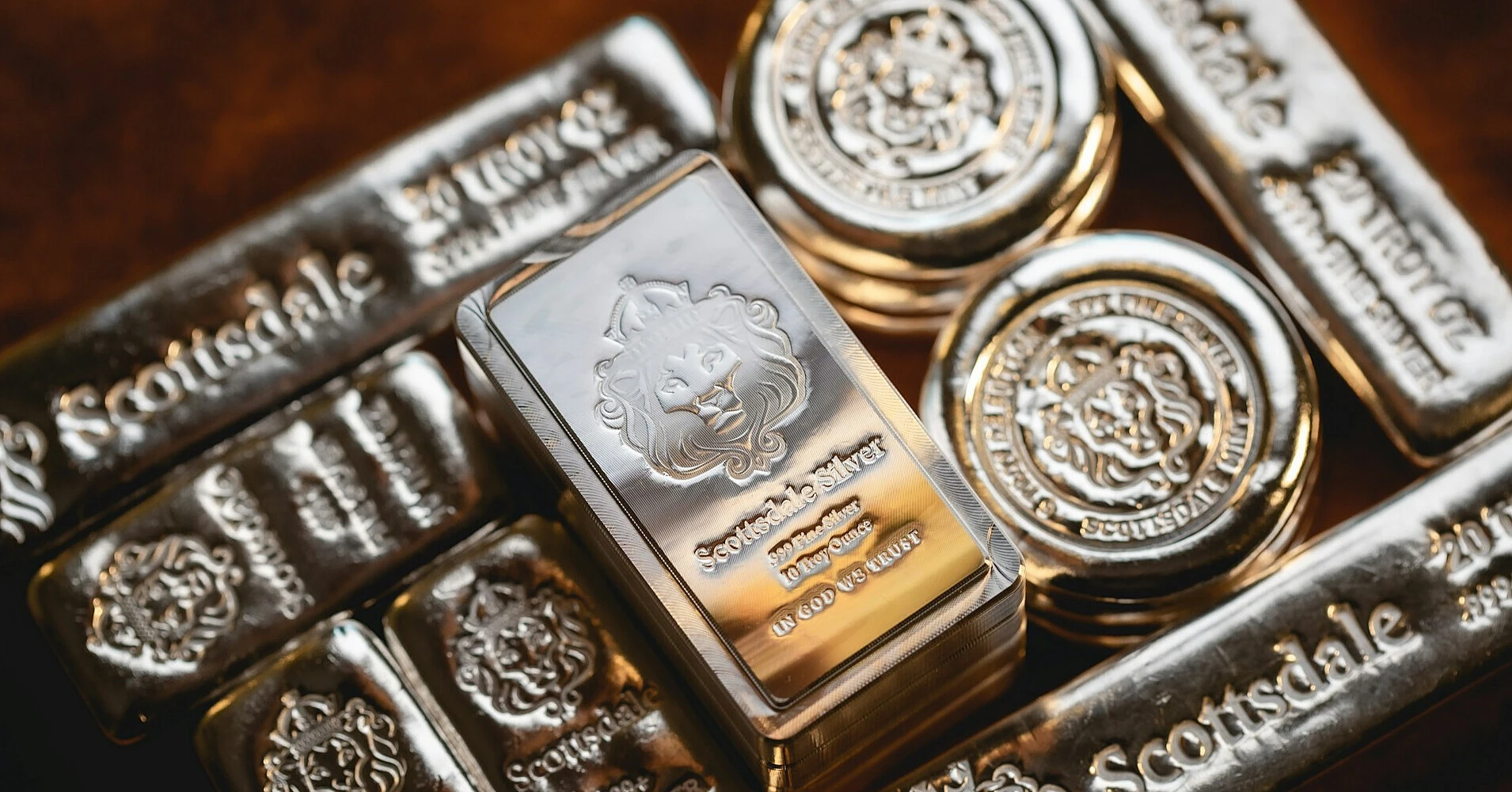
Silver in 2026 proved even more impressive than gold. In January, the price of silver for the first time in modern history exceeded the psychological mark of $100 per ounce. An all-time high was also set on January 29, 2026 — around $121.66 per troy ounce. After that, the market experienced an extremely sharp decline.
As of September 15, silver is trading at around $63.32 per ounce.
From the all-time high:
(121.66 − 63.32) / 121.66 × 100 ≈ 48.0%
It turns out that silver is now almost 2 times below its January record. This is a much deeper correction than gold's. That is why silver is a significantly riskier asset.
Why silver fell more than gold
The main reason lies in silver's dual nature. Gold is primarily a financial and reserve asset.
Silver is at the same time:
- a precious metal;
- an investment asset;
- an industrial raw material.
If the global economy slows down, industrial demand for silver may decline.
As a result, silver can fall even when gold receives support because of its safe-haven asset status.
Reuters in early September noted that silver has had an exceptionally tough year: after a sharp drop in January, the metal has failed to form a sustainable recovery. The last significant high in June was around $71.54, and the July low was about $54.74.
Thus, silver is now in a much more difficult technical situation.
What determines the price of silver
1. Industrial demand
This is the key difference between silver and gold.
Silver is widely used in:
- electronics;
- electrical engineering;
- solar panels;
- the automotive industry;
- the production of battery and energy systems;
- soldering;
- medical technologies;
- various high-tech industries.
According to the Silver Institute, industrial demand for silver in 2025 was about 657.4 million troy ounces, down 3% after four years of consecutive growth. The main reason was a reduction in the use of silver in solar panels. This is an important point. World production of solar panels continues to grow, but manufacturers are simultaneously trying to use less silver per solar cell and replace it with other materials. This creates a paradoxical situation: solar energy is developing, but the amount of silver needed to produce each unit of output is shrinking.
2. The state of global industry
If the global economy accelerates, with growing production of cars, electronics, equipment, and infrastructure, demand for silver increases. If the industrial sector enters a recession, silver can come under double pressure: investment demand declines, and industrial demand also shrinks. That is why silver is usually much more volatile than gold.
3. Solar energy
This is one of the most important long-term factors. Silver has unique electrical properties, so it is widely used in solar cells. However, the industry is actively engaged in so-called thrifting — reducing the amount of silver used in a single solar cell.
The Silver Institute expects that industrial consumption of silver in 2026 will decline by about 2% to around 650 million ounces, mainly due to further reductions in the metal's use in the photovoltaic industry.
4. Physical silver deficit
And here the situation becomes especially interesting. Despite the decline in industrial demand, the Silver Institute expects the silver market to remain in deficit in 2026 — for the sixth consecutive year. This means that world consumption exceeds the volume of new supply.
The deficit can support prices in the long term.
But it is important to understand: a deficit of physical metal does not necessarily mean an immediate rise in prices. On a short horizon, investment flows, futures, ETFs, the dollar, and interest rates play a huge role.
5. The price of gold
Silver has historically been strongly linked to gold. Investors often use the gold/silver ratio — the ratio of the price of an ounce of gold to the price of an ounce of silver. When gold rises sharply, silver often starts to catch up with some delay. Conversely, when precious metals fall, silver usually declines much more.
That is why silver is sometimes called a “high-beta version of gold.”