
Sanctions bill against Russia splits Democrats in the House of Representatives
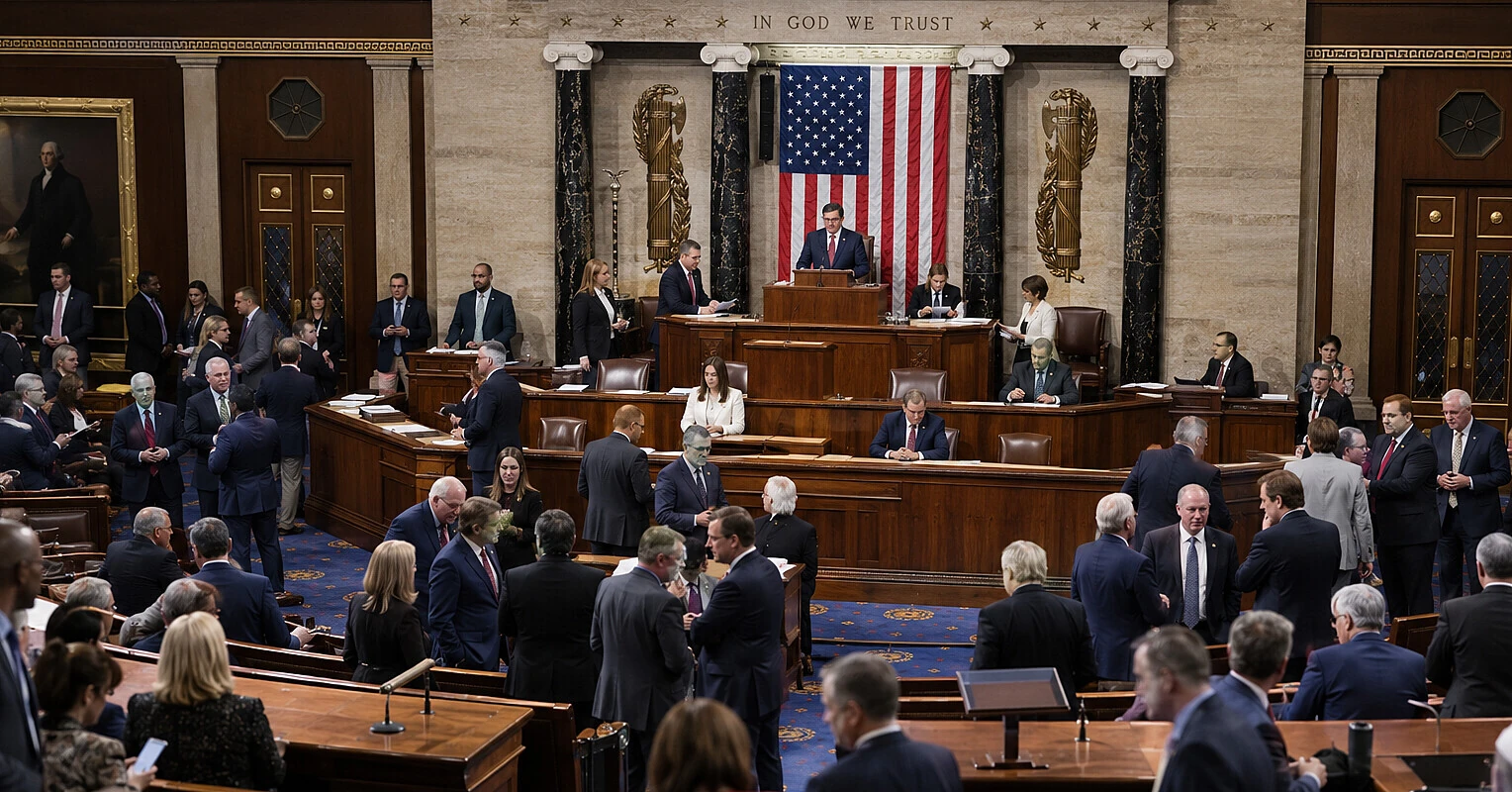
Disagreements have emerged within the Democratic Party over a bill to strengthen sanctions against Russia, which the House of Representatives is set to consider this week. Some influential Democrats oppose the document due to the expansion of presidential tariff powers for Donald Trump, while other lawmakers are ready to support it to increase pressure on Moscow.
Axios reported this. The Lindsey O. Graham Sanctioning Russia and Iran Act previously received broad bipartisan support in the Senate, but its passage through the House of Representatives has proven less predictable.
The main point of contention is secondary tariffs. The document allows the president to impose duties of up to 100% on goods from countries that are among the largest buyers of Russian oil or natural gas or help Russia circumvent oil sanctions.
Leading Democrat on the House Foreign Affairs Committee Gregory Meeks, Democrat Don Beyer of the Joint Economic Committee, and leading Democrat on the Ways and Means Committee Richard Neal have publicly opposed the current version of the bill. In their view, the document gives Trump too broad authority to unilaterally determine trade tariffs and, at the same time, leaves the president significant leeway in applying sanctions.
Meeks, Beyer, and Neal emphasized that they support Ukraine and increased pressure on Russia, but consider the current mechanism flawed. They fear that additional tariffs could hurt American consumers and U.S. partners and, in the long run, complicate support for Ukraine.
However, there is no unified position among Democrats. Congressman Jared Golden told Axios that he would almost certainly vote for the bill. Co-chair of the bipartisan Ukraine Caucus Marcy Kaptur is still reviewing the document, while stating the need to send a signal to Russia to stop the aggression. The other co-chair, Mike Quigley, also ties his decision to the final wording of the document.
The disagreements have practical implications for the vote outcome. According to Axios, Republicans may need Democratic votes because some members of the isolationist wing of the Republican Party do not intend to support the bill.
Democrats tried to change the most controversial provisions before the bill was brought to the floor. Meeks and his colleagues proposed removing the broad secondary tariffs entirely, limiting the president's ability to waive sanctions, and separately providing $15 billion in military funding for Ukraine. Steny Hoyer, together with Marcy Kaptur, proposed explicitly listing the countries to which tariffs could apply, including China, India, Turkey, Hungary, Slovakia, and the UAE.
However, the Republican-controlled Rules Committee rejected key Democratic amendments. On September 14, the committee approved the procedure for further consideration of the bill by a vote of 7 to 3, with the bill to be brought to a vote essentially in the version previously passed by the Senate.
The Senate approved the sanctions package on August 7 by an overwhelming majority—86 votes to 11. The bill is named after the late Republican senator Lindsey Graham, who was one of the main proponents of increasing economic pressure on Russia. The White House also supports the document, but disagreements in the House have slowed its progress.
Sources: Axios, U.S. House Rules Committee, U.S. House Foreign Affairs Committee
