
SpaceX will attempt for the first time to put Starship into full Earth orbit
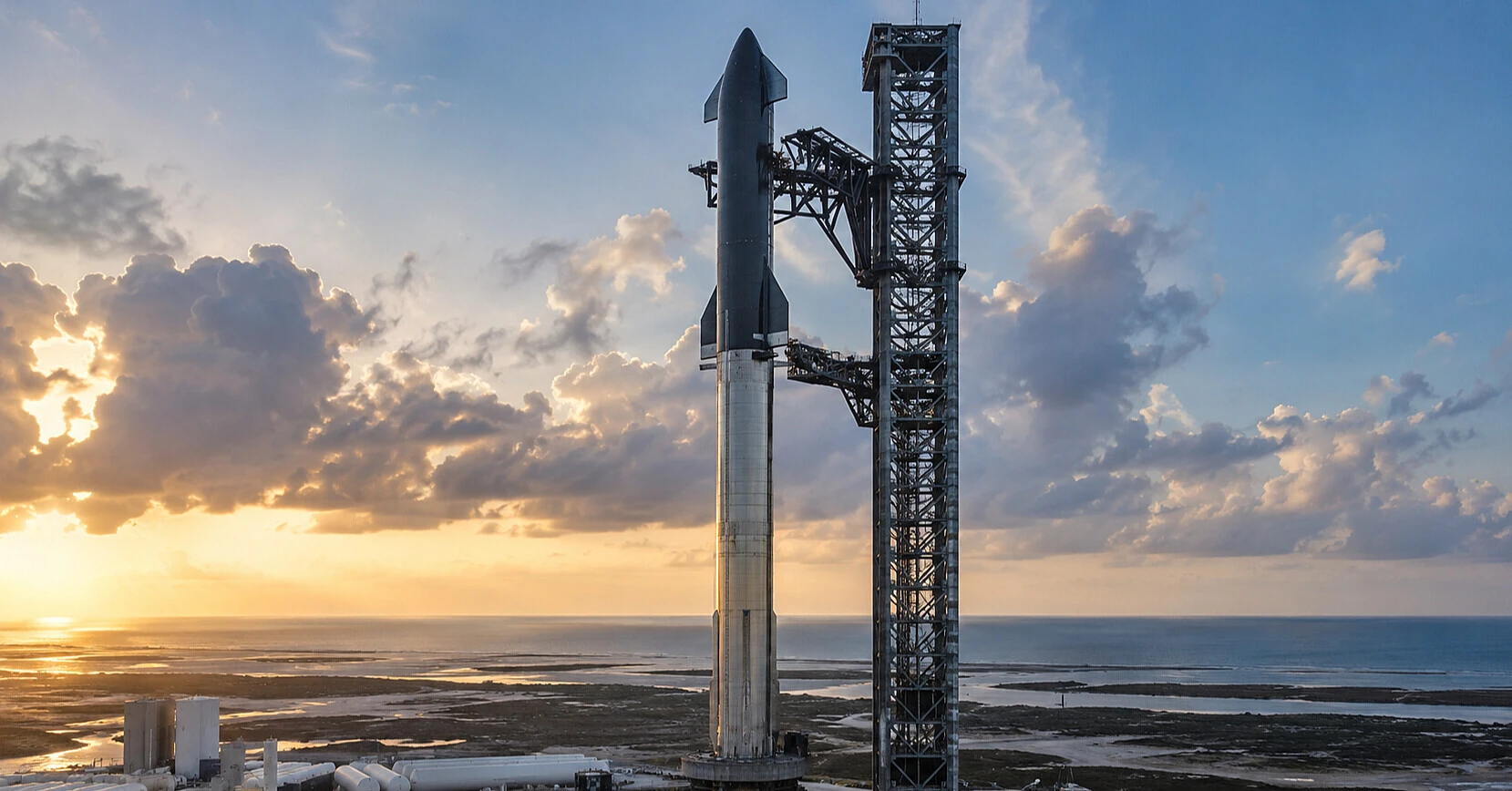
SpaceX is preparing for the first time to place the Starship rocket into a stable low-Earth orbit. The system's 14th test flight is tentatively scheduled for September 22 and should become a crucial stage of the program: the ship will spend about ten hours in space and will for the first time deliver operational next-generation Starlink satellites into orbit.
The launch will take place from the second Starbase launch pad in Texas. SpaceX plans to open the launch window on September 22 at 07:15 local time — 15:15 Kyiv time. The date remains preliminary and depends on obtaining the necessary permits from regulators.
This will already be the 14th test flight of Starship, but all previous missions followed a suborbital trajectory: the ship gained space velocity, but then returned to the atmosphere without completing full orbits around Earth.
In the new mission, SpaceX plans to place Starship in an approximately 275-kilometer orbit. The ship should make about six orbits around Earth, after which it will ignite one of its Raptor engines to deorbit. The entire flight is planned for almost ten hours.
Another important stage will be the first delivery by Starship of actual payload to a stable orbit. On board will be 26 Starlink V3 satellites — the new generation of SpaceX's satellite internet network.
The company expects to significantly increase the constellation's throughput with Starlink V3. These satellites are larger than the current Starlink V2 Mini and are designed specifically for launches by the heavy Starship system: the standard Falcon 9 rocket cannot carry them in comparable quantities.
During the previous, 13th Starship test, 20 operational Starlink V3 satellites were already released. However, they moved together with the ship along a suborbital trajectory and soon burned up in the atmosphere — the aim of that experiment was to test the deployment mechanism and communication with the satellites, not their placement into an operational constellation.
Flight 14 will be the first attempt to leave Starlink V3 satellites in orbit. After separation, the satellites should independently rise from their initial orbit and begin further deployment.
The Super Heavy first stage will not return to the launch tower for capture by special mechanical arms in this flight. After separation, it will perform a maneuver and attempt a controlled splashdown in the Gulf of Mexico. SpaceX intends to further test the reliability of engine refiring and changes to the stage design.
After several orbits, Starship itself should perform a braking burn, enter the atmosphere, and make a controlled splashdown in the Pacific Ocean west of the coast of Chile. The company will continue testing the ship's heat shield, which remains one of the key elements for the system's future reusability.
A successful orbital insertion will allow SpaceX to move closer to beginning regular cargo missions for Starship. The company plans to use the rocket primarily for rapid deployment of Starlink V3, and in the future — for heavy commercial and government payloads, NASA's lunar program, and interplanetary missions.
Based on materials from: SpaceX, Ars Technica
