
The Ministry of Finance did not support tax relief for businesses after Russian strikes
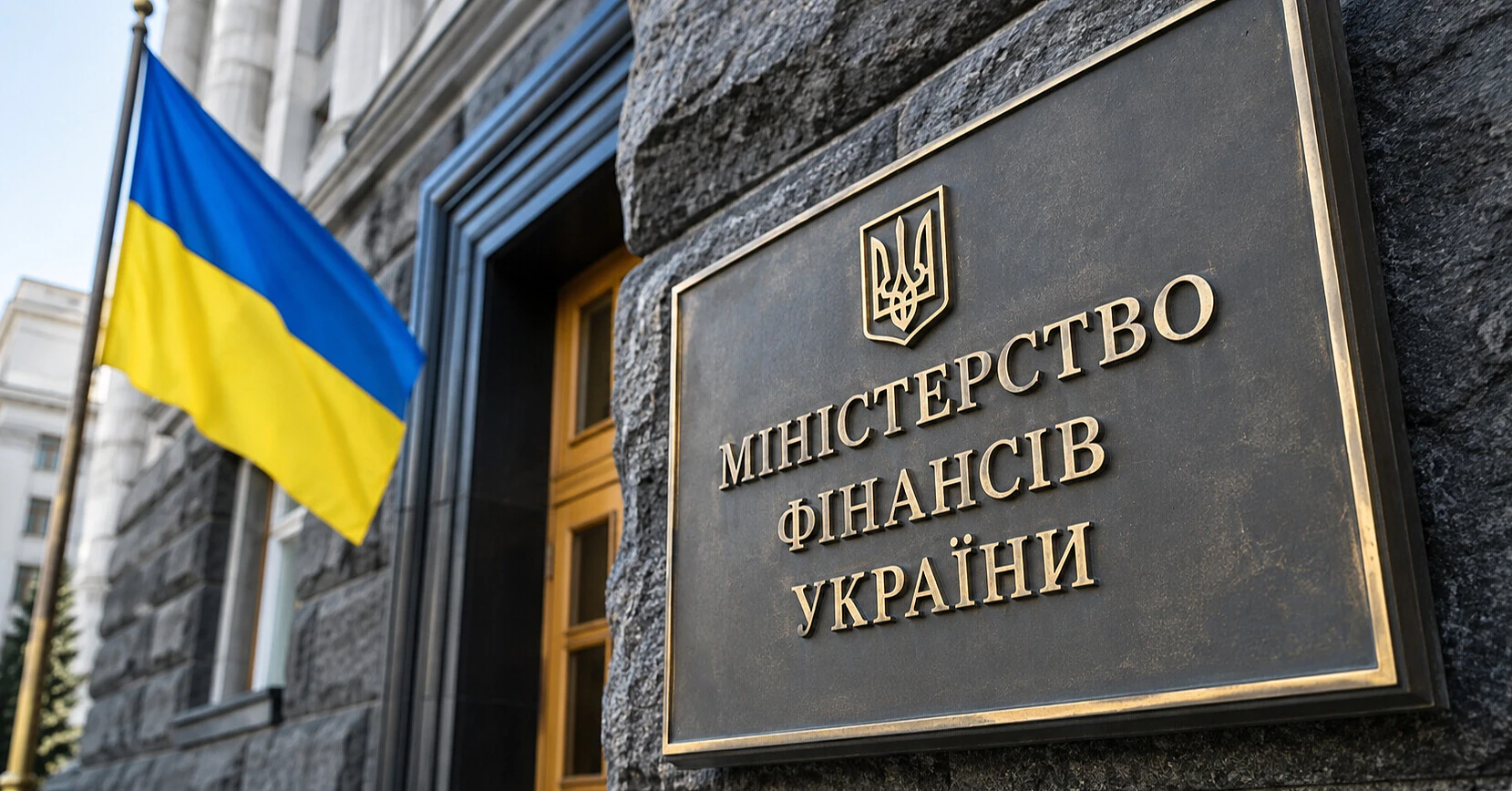
The Ministry of Finance did not support proposals to introduce separate tax relief for companies that suffered significant losses as a result of Russian attacks. The initiatives came from Rozetka group companies after the large-scale destruction of their logistics infrastructure.
People's Deputy Olha Vasylevska-Smahliuk reported the position of the Ministry of Finance, citing the ministry's letter to the Verkhovna Rada Committee on Finance, Tax and Customs Policy.
One of the proposals was to allow affected enterprises to postpone tax payment deadlines without interest or tax lien. The Ministry of Finance did not support this, explaining that interest compensates the budget for delayed receipts, and the lien reduces the risk of non-payment.
The ministry also noted that the destruction of a separate warehouse, store or other facility does not necessarily mean the loss of solvency of the entire company. Large businesses with a network in different regions or a significant share of online sales can continue to receive income and have other assets.
At the same time, current legislation already allows an enterprise that, due to the war, objectively cannot fulfill its tax obligation to confirm such impossibility with documents. In this case, the payer is released from liability for delay, but the tax obligation itself is not canceled.
The State Tax Service explains that for this it is necessary to submit an application and documents confirming the impossibility of paying taxes, submitting reports or fulfilling other obligations due to martial law circumstances. If the opportunity to work resumed earlier, the obligations must be fulfilled within the established transition period; if the impossibility persists during martial law, special rules apply after its end.
The second proposal from business provided for the abolition of scheduled tax audits for enterprises affected by shelling, regardless of their location. The Ministry of Finance also opposed this approach.
Among the ministry's arguments are the risk of abuse and tax evasion, existing restrictions on audits, and Ukraine's obligations to international partners, particularly the IMF.
The third initiative concerned companies that lost primary accounting and tax documents outside the territories of hostilities or occupation due to shelling. Business proposed extending to them a special procedure for confirming reports without a full set of documents.
The Ministry of Finance also did not support this proposal. The ministry proceeds from the fact that the mere destruction of an office or warehouse does not prove the loss of documentation, and its physical loss does not always mean the impossibility of recovery. At the same time, according to Vasylevska-Smahliuk, the ministry recognizes that such cases require a separate approach.
Rozetka's appeal appeared after a series of large-scale attacks on Ukrainian retail and logistics.
At the same time, the rejection of separate tax benefits does not mean a complete absence of state support for affected businesses. The government has already expanded the war risk compensation program: Kyiv and Kyiv region have been added to the list of high-risk territories, and the maximum compensation of insurance premium has been increased to UAH 5 million per business entity per year.
As of mid-September, within the mechanism of compensation for damaged or destroyed property, 323 applications for potential payments totaling about UAH 6.8 billion were approved. The government also simplified procedures and expanded the list of property that can be covered by support.
Separately, the Ministry of Economy is developing a broader mechanism for compensating war losses, which should also cover large businesses. The concept provides for the creation of a fund with an estimated volume of $3-4 billion and compensation of the first part of losses within up to $10 million per legal entity. The launch of the mechanism, subject to the adoption of necessary decisions, is tentatively planned for early 2027.
Thus, the position of the Ministry of Finance is that separate tax deferrals or exemptions should be determined only after assessing the financial condition of the entire enterprise and the real impact of the war on its ability to pay the budget. Instead, the government currently focuses on insurance, compensation and credit instruments for recovery.
