
Ukraine changes identification system for fallen after repatriations
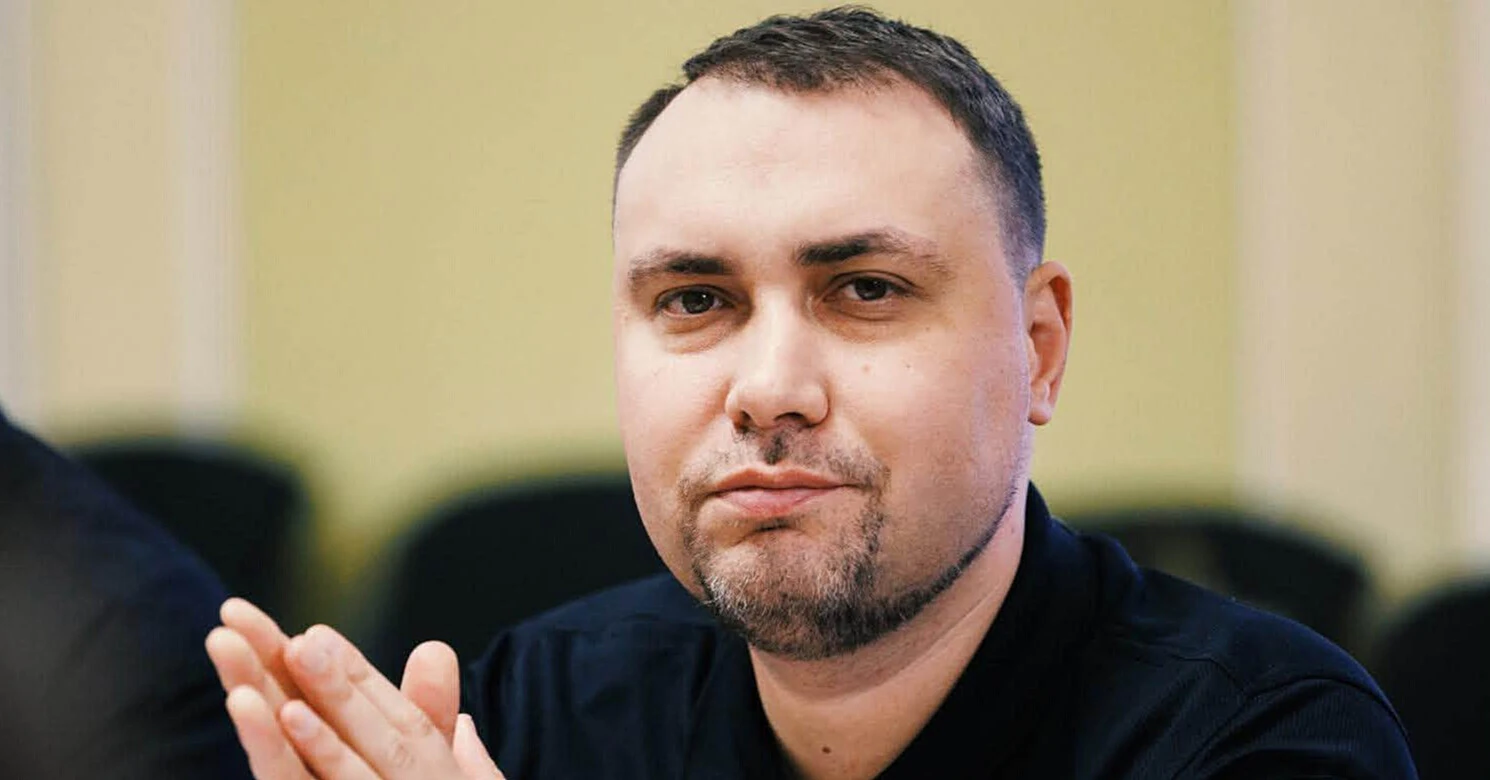
Ukraine intends to speed up the identification of the fallen whose bodies and remains were returned as part of repatriations. To do this, the authorities plan to change the work of forensic medical examinations, create an interagency group, and more widely use foreign capabilities for DNA research.
This was announced by the head of the Presidential Office, Kirill Budanov, following a meeting of the Coordination Council for the Protection of the Rights of Veterans, Families of Fallen Defenders, Prisoners of War, and Missing Persons.
According to him, Ukraine has already returned more than 26,000 bodies and remains as part of repatriation measures. A significant portion of them still remain unidentified.
Budanov stressed that this does not mean 26,000 unidentified fallen: this is the total number of returned bodies and remains, of which a significant portion still needs to be identified.
Following the meeting, the authorities formed a new working algorithm. In particular, it is planned to create an interagency group that will deal with problematic identification issues, and also to review the organization of work of forensic medical examination bureaus, especially in the regions.
Another direction will be the use of additional international capabilities for DNA expertise. This should increase the throughput of the system and shorten the time that families wait for research results.
Budanov stated that bureaucratic delays and violations of established procedures in the forensic medical examination system are unacceptable. According to him, the necessary regulatory decisions should be adopted by the government in the near future.
The Verkhovna Rada Commissioner for Human Rights, Dmytro Lubinets, reported that the identification issue will now be overseen by the National Security and Defense Council.
The ombudsman also called on the government to promptly adopt regulatory changes that would allow increasing the number of forensic medical experts and raise their pay.
In addition, it is proposed to create specialized forensic medical examination units in the regions, which will deal directly with identification of the bodies of fallen military personnel.
The problem has become particularly acute after large repatriations. Ukraine regularly returns the bodies of the fallen, but conducting examinations, comparing DNA profiles, and establishing identities can take a long time, leaving families for months without final information about the fate of their loved ones.
The last large repatriation took place on September 17, when the bodies of 252 fallen were returned to Ukraine. After return, all of them are handed over to law enforcement agencies and forensic medical experts for the necessary research and identification.
