
Attacks on tankers in the Strait of Hormuz hit highest since start of war
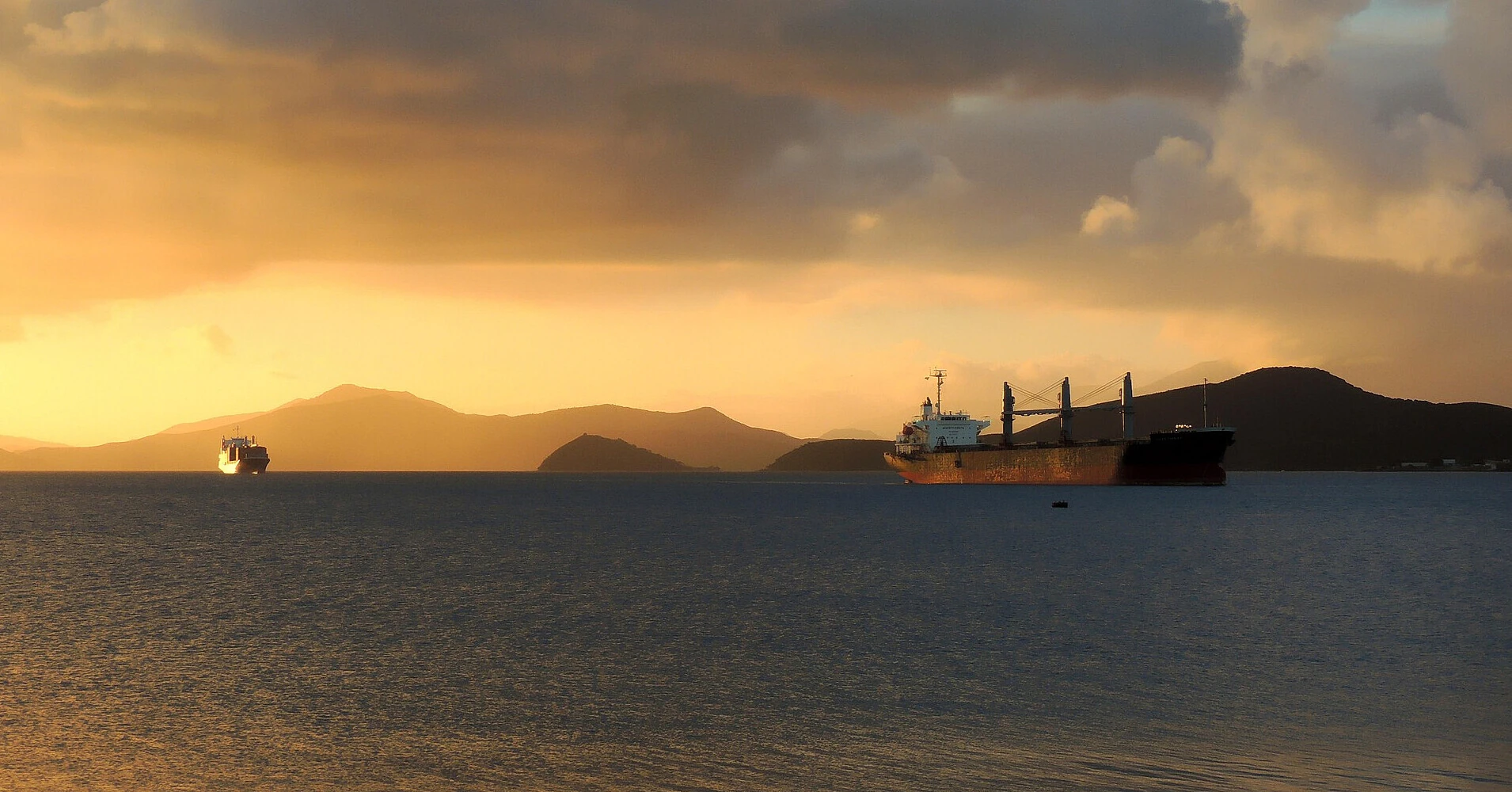
The number of attacks on tankers in the Strait of Hormuz area last week was the highest for any weekly period since the start of the US-Iran war. The escalation of threats comes at the same time as Gulf countries attempt to increase oil exports through one of the world's key energy shipping routes.
This is reported by Reuters citing sources in maritime security.
From September 28 to October 5, at least 12 attacks on tankers carrying oil, liquefied natural gas and liquefied petroleum gas occurred in the Strait of Hormuz area. The counts are based on data from three sources tracking incidents in the region.
According to them, this is the highest weekly figure since the US-Iran war began on February 28.
Data from the United Nations International Maritime Organization differs: the IMO recorded nine incidents with ships during the same period. Reuters sources explain the difference by saying that the UN agency spends more time verifying and officially registering reports.
The previous comparable peak was the week beginning July 13. At that time, the IMO registered eight incidents.
The US Navy-led Joint Maritime Information Center (JMIC) notes that attacks and attempted attacks, as well as other forms of pressure on commercial shipping, continue in the strait. Among them are drone flights over vessels, surveillance and radio calls from Iran's Islamic Revolutionary Guard Corps.
The new wave of attacks coincided with an increase in oil exports from Gulf countries. For about half of September, supply volumes exceeded pre-war levels. However, the increase in the number of incidents and ongoing logistical constraints raise doubts about the ability to maintain such export volumes over the long term.
One of the latest serious incidents was the attack on the oil tanker On Peace flying the Panamanian flag. According to India's Ministry of External Affairs, an unknown projectile hit the vessel while it was transiting the Strait of Hormuz. Twelve crew members were injured.
The Strait of Hormuz remains a critically important route for oil and gas exports from Gulf countries. The growing threats to tankers increase owners' costs for insurance, security and freight, and pose additional risks to the stability of energy supplies to the global market.
