
Turkey warns of threat of Black Sea turning into a new frontline of war
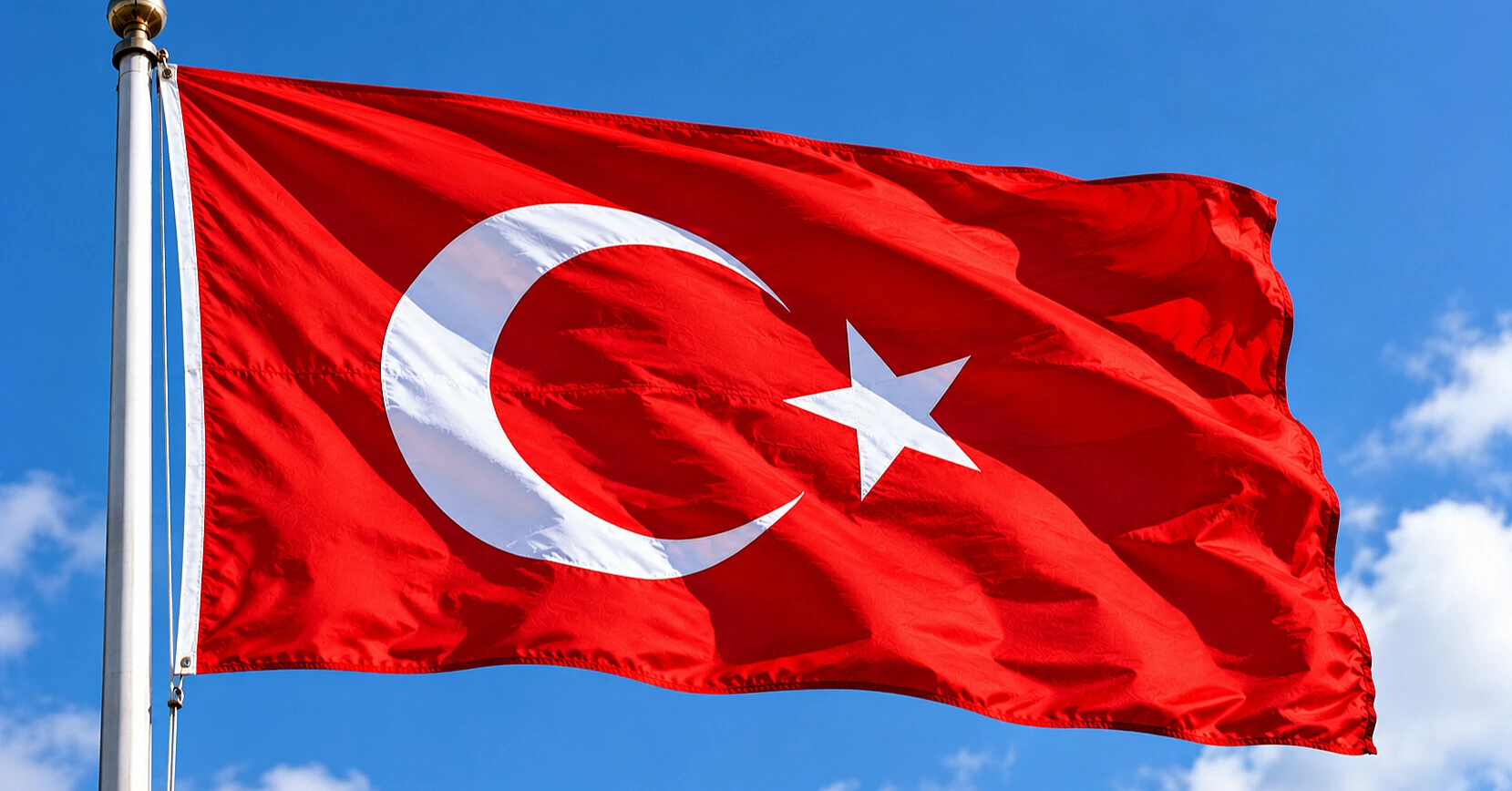
Turkey called for preventing the Black Sea from turning into a new frontline of the Russian-Ukrainian war. Ankara is concerned about the increase in attacks on civilian vessels, which threaten the safety of navigation, international trade, and food supplies.
This was stated on October 8 by Turkish Foreign Minister Hakan Fidan at a joint press conference in Ankara with Hungarian Foreign Minister Anita Orban, reports Türkiye Today.
Fidan warned that military actions are increasingly affecting the waters of the Black Sea, creating additional threats to the crews of commercial vessels and transport infrastructure.
"We must in no case allow the Black Sea to become a new frontline of the conflict," — stressed the head of Turkish diplomacy.
Ankara concerned about attacks on commercial ships
According to Fidan, Russia and Ukraine are seeking to gain a military advantage before winter sets in, but the expansion of hostilities is negatively affecting the safety of maritime transport.
The minister noted that the attacks pose a serious threat to the lives of sailors, the integrity of vessels, navigational and environmental safety.
Turkey is particularly concerned about incidents involving vessels flying the Turkish flag, belonging to Turkish companies, or having Turkish citizens among their crews.
Fidan said that Ankara is conveying its assessments and warnings to both sides of the conflict.
"We are doing everything possible to end this situation," — the minister said.
Turkey has also proposed measures to Russia and Ukraine to stop attacks on civilian shipping and ensure safe grain exports. However, so far it has not been possible to agree on relevant arrangements.
Attacks on ships in the Black Sea increase
Fidan's statement came after a series of incidents involving commercial vessels in the Black Sea.
In early October, several ships were attacked by drones in waters near Romania and Bulgaria. Among the affected were merchant ships connected to Turkish shipowners.
In particular, the sinking of one vessel and the rescue of sailors from another were reported. In some cases, search operations continued after the incidents.
In addition, on October 7, a fire broke out on the Aframax Rio oil tanker in the Black Sea, involved in Russian oil transportation. The Russian side claimed an attack by sea drones.
These events have heightened concerns about the further expansion of military actions onto maritime trade routes.
However, the circumstances of individual incidents and responsibility for the attacks require independent establishment.
Grain exports and food security under threat
The head of the Turkish Foreign Ministry stressed that the consequences of attacks on ships extend far beyond the Black Sea region.
According to him, disruptions to maritime transport can hinder the delivery of grain to international markets, creating threats to food security.
The Black Sea remains one of the main routes for Ukrainian agricultural exports. Through the ports of Odesa, Chornomorsk, and Pivdennyi, Ukraine supplies grain and other goods to foreign buyers.
In recent months, Russian forces have intensified missile and drone strikes on Ukrainian ports and logistics infrastructure.
Damage to port facilities, energy installations, and transport routes complicates exports and increases transportation costs.
Additional risks to vessels can lead to higher insurance costs, route changes, and cargo delivery delays.
Turkey recalls the Montreux Convention
Fidan said that since the start of the full-scale war, Ankara has been making efforts to prevent the conflict from spreading to the Black Sea.
Among these measures, he cited compliance with the Montreux Convention, which regulates the passage of warships through the Turkish straits of the Bosphorus and Dardanelles.
In accordance with the provisions of the convention, after the start of the Russian invasion, Turkey has restricted the passage of warships of the belligerent states through the straits, taking into account the exceptions provided by the document.
The minister also reminded about Ankara's participation in the Black Sea Grain Initiative, which Ukraine, Russia, Turkey, and the UN agreed on in July 2022.
This mechanism ensured the export of Ukrainian food through the Black Sea, but in July 2023, Russia withdrew from the agreement.
After that, Ukraine organized an alternative maritime corridor that continues to be used for commercial shipping, despite Russian attacks.
Turkey calls for considering the security of the whole region
Fidan emphasized that Europe's security cannot be considered separately from Turkey's security and defense capabilities.
According to him, before adopting long-term decisions in the field of European security, substantive consultations must be held with all interested states.
Ankara seeks to maintain the possibility of diplomatic contacts with both Kyiv and Moscow, paying special attention to the security of trade routes in the Black Sea.
However, so far Turkey's proposals have not led to an agreement to stop attacks on commercial vessels.
Based on materials: Türkiye Today, Turkish Minute.
