
Poland's Sejm passes law limiting short-term housing rentals
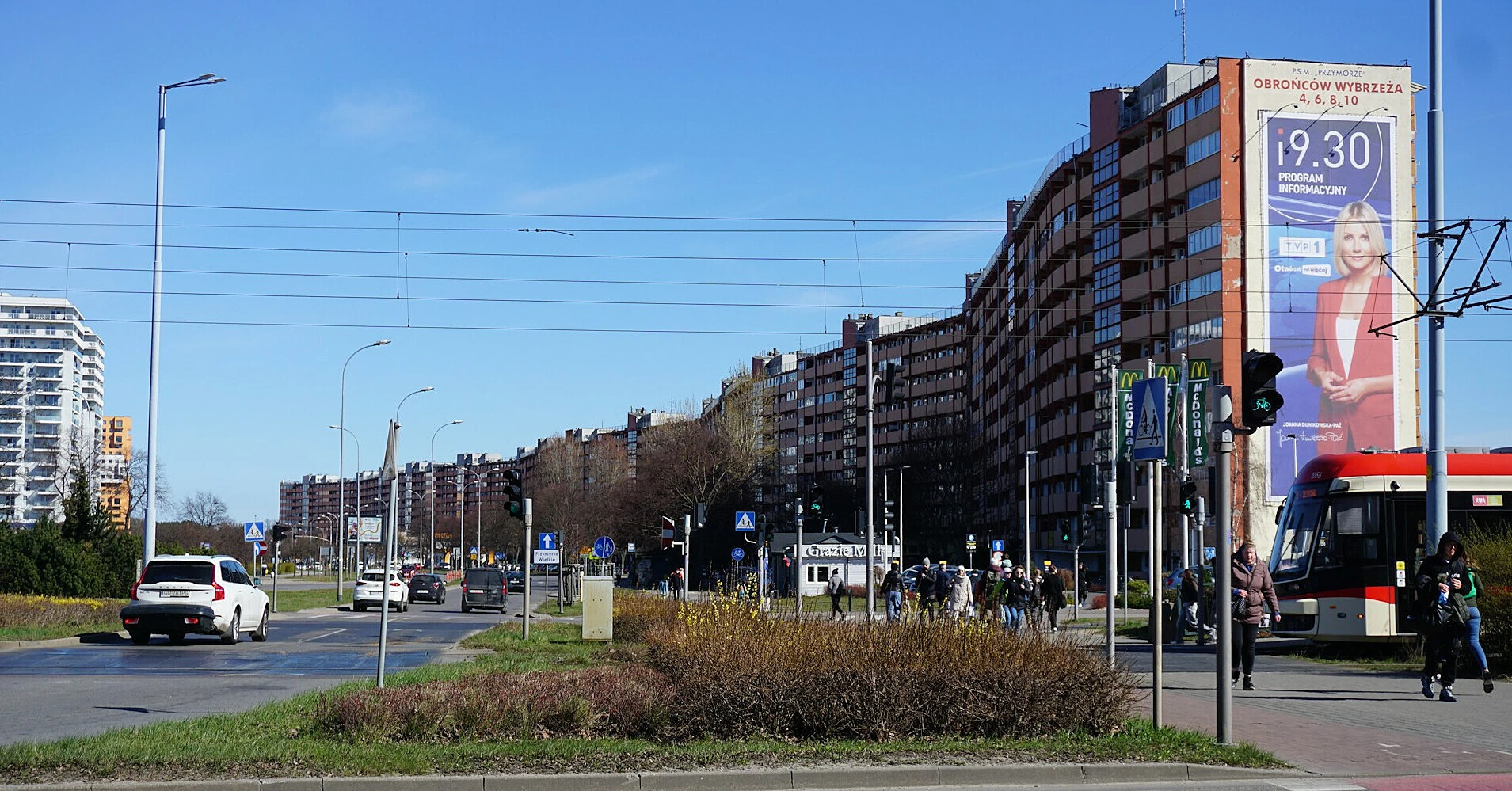
The Polish Sejm passed a law on October 8 that significantly changes the rules for short-term housing rentals. <\/b><\/p>
Local authorities will be able to create zones where renting apartments to tourists is prohibited, and residents of multi-apartment buildings will get the right to restrict such activities in their buildings. In addition, mandatory registration and fines for violating new requirements will be introduced for property owners. This is reported by the Polish publication Rzeczpospolita.<\/p>
407 deputies voted for the law, 24 were against, and nine more abstained. The document was prepared by the Polish Ministry of Sport and Tourism. It is aimed at regulating the short-term rental market and implementing the relevant European Union regulation.<\/p>
The new rules will apply to housing rentals for up to 30 days. This primarily concerns apartments, houses, and rooms rented to tourists through platforms like Airbnb, Booking.com, and other booking services.<\/p>
One of the main innovations will be the creation of the Central Register of Tourist Accommodation Facilities (CWTON). Owners will be required to register the property used for short-term rental and obtain an individual identification number.<\/p>
Without registration, it will be prohibited to rent housing to tourists and post advertisements for such services. A fine of up to 50,000 zlotys is provided for violations, as well as the possibility of excluding the property from the register.<\/p>
At the same time, Polish cities and municipalities will receive additional powers to regulate tourist rentals. Municipal councils will be able to designate areas where short-term apartment rentals will be restricted or completely prohibited.<\/p>
Such a decision will be made upon the proposal of the municipality head, mayor, or city mayor. Restrictions may apply only in certain areas, for a defined period, or include exceptions for specific categories of facilities.<\/p>
This means that in popular tourist areas where a significant part of housing is used for daily rentals, local authorities will be able to limit the further spread of such business.<\/p>
Another important change concerns residents of multi-apartment buildings. Housing communities and cooperatives will be able to make decisions to prohibit short-term rentals in a specific building.<\/p>
In housing cooperatives, support from more than half of all persons entitled to vote will be required for this. After the ban is adopted, entrepreneurs already renting apartments to tourists will be given six months to cease such activity.<\/p>
The law also expands the possibilities for residents to initiate inspections of apartments used for tourist accommodation. Not only the technical condition of the premises and compliance with fire safety requirements will be checked, but also safety and public order issues.<\/p>
If within six months from the first recorded violation a total of three violations of safety or public order requirements are found in an apartment, the facility will be mandatorily excluded from the register. Re-registration will be allowed only after a year.<\/p>
The Polish government explains the reform by the need to protect residents from constant noise, disturbance of nighttime peace, and other problems arising from intensive tourist rentals.<\/p>
At the same time, the new restrictions will be introduced gradually. Provisions that allow housing communities and cooperatives to prohibit short-term rentals, and municipalities to create special restriction zones, are to come into force on January 1, 2028.<\/p>
Other regulations, particularly on property registration, are scheduled to be introduced 14 days after the official publication of the law.<\/p>
At the same time, the adoption of the document by the Sejm does not yet mean its final entry into force. The next stage will be consideration of the law in the Polish Senate. After the parliamentary procedure is completed, the document must be submitted for signature to the country's president.<\/p>
Thus, apartment owners who earn on short-term rentals will have to adapt to the new registration and control rules. And in the long term, the possibility of continuing such business will also depend on decisions of local authorities and housing communities.<\/p>
Based on materials from: Rzeczpospolita<\/a>, Ministry of Sport and Tourism of Poland<\/a><\/p>
