
EU and China agree to reduce supplies of Chinese hybrid cars
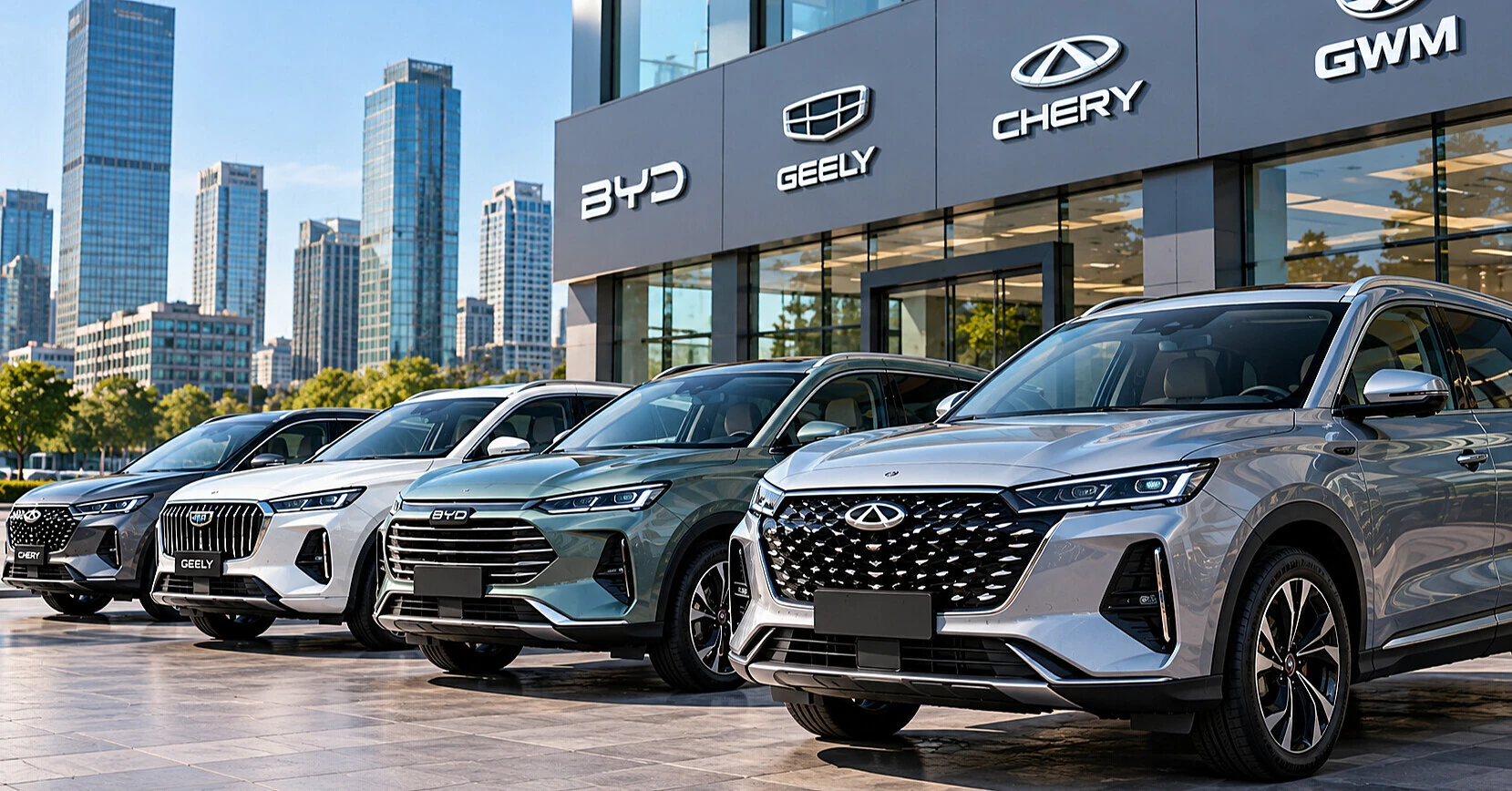
The European Union and China have reached an agreement to limit exports of Chinese hybrid cars to the European market. The agreement opens the possibility to cut supplies by more than half, which should reduce pressure on European carmakers.
This was announced on October 9 by EU Trade Commissioner Maroš Šefčovič following two days of talks in Beijing with Chinese Commerce Minister Wang Wentao, reports The Guardian.
According to Šefčovič, the mutual understanding covers both conventional hybrid cars and plug-in hybrids, whose batteries can be charged from the mains.
Within four years, the volume of Chinese hybrid supplies to the EU may be reduced by several million vehicles. However, the specific mechanism for implementing the agreement has not yet been disclosed. The commissioner explained that its parameters must first be considered by the heads of EU states.
This is the first time Beijing has agreed to voluntarily limit car exports in negotiations without waiting for an official trade investigation by the EU.
The Chinese Ministry of Commerce confirmed the mutual understanding on trade in hybrid cars. At the same time, the published joint statement does not specify the exact volumes and timing of export reductions.
The negotiations were part of Brussels' efforts to reduce the trade deficit with China, which, according to the European side, exceeds one billion euros per day.
One of the main reasons for EU concern was the rapid growth in supplies of Chinese cars. After additional tariffs on electric vehicles produced in China were introduced in 2024, local companies began to promote hybrid models, which are not subject to these restrictions, more actively on the European market.
According to Eurostat, only 659 Chinese full hybrids were sold in the European Union in 2022. In the first seven months of 2026, their sales reached 160.7 thousand cars. Supplies of plug-in hybrids over the same period amounted to almost 218 thousand vehicles.
In Brussels, there are fears that a further increase in imports of relatively cheap Chinese cars will lead to a reduction in production and jobs in the European automotive industry.
The agreements are not limited to the car market. China also agreed to facilitate access for European goods to its market by reducing certain import tariffs.
In particular, this concerns automotive components, olive oil, and footwear. According to Šefčovič, current exports of these goods from the EU to China amount to almost 4 billion euros, and lower tariffs will save European suppliers at least 225 million euros in customs payments.
Another result of the negotiations was Beijing's agreement to continue simplifying the issuance of export licenses for rare earth materials and permanent magnets needed by the automotive, electronics, and other sectors of European industry.
The joint statement also mentions continuing negotiations on tariffs on Chinese electric vehicles, access for European medical devices to the Chinese market, and rules for providing state subsidies.
In total, the parties agreed on 16 areas for further work. The next ministerial meeting in the format of a video conference is scheduled for January 2027, and the next round of full-fledged negotiations should take place in March.
Šefčovič called the agreements reached an important first step, emphasizing that the European Union retains the possibility of applying trade defense measures if the negotiations do not achieve the necessary result.
Based on materials from: European Commission, Ministry of Commerce of China, The Guardian.
