

Hungarian Prime Minister Reacts to Ukraine's Concessions on Education
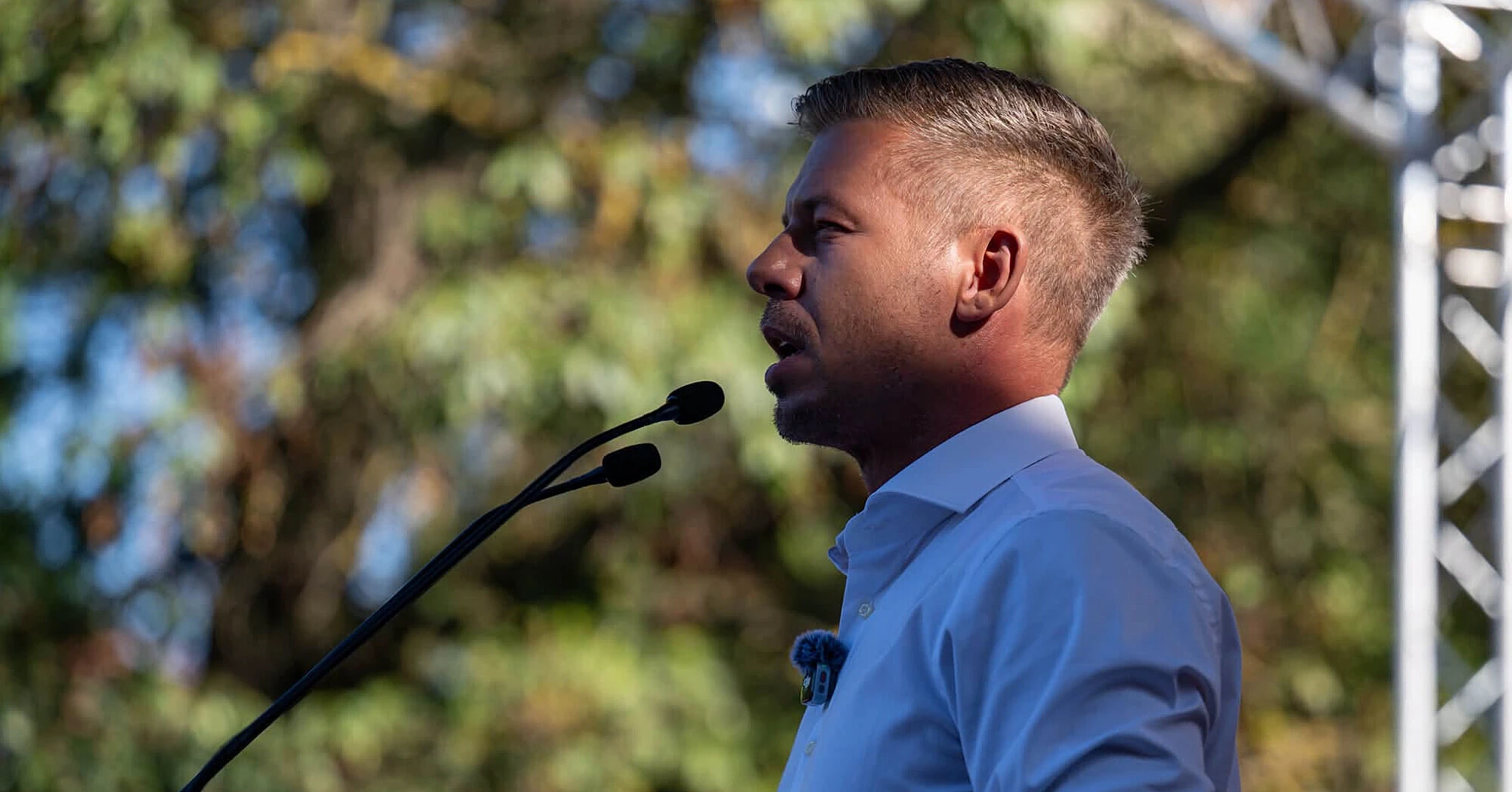
Prime Minister of Hungary Peter Magyar positively assessed the changes adopted by Ukraine to the legislation on education of national minorities. According to him, the new norms significantly expand the possibilities for using the Hungarian language in schools in Transcarpathia. Kyiv's decision also removes one of the key obstacles to further advancement of negotiations on Ukraine's accession to the European Union.
The head of the Hungarian government announced this on Monday, October 12, on his Facebook page.
"Today the Ukrainian parliament adopted, and President Zelensky signed, an amendment to the Law of Ukraine 'On Education', which significantly facilitates Hungarian children's use of their native language in Transcarpathia," — wrote Magyar.
The Prime Minister also thanked all participants in the negotiations who made it possible to reach an agreement on the educational rights of the Hungarian national minority.
He called the consultations important and successful. Magyar's statement indicates a positive assessment by the Hungarian government of the legislative changes that Budapest had previously demanded from Kyiv.
Ukraine Expanded Rights of National Minorities in Education
On October 12, the Verkhovna Rada adopted in the first reading and as a whole draft law No. 16119, which provides additional guarantees of educational rights of indigenous peoples and national minorities of Ukraine.
The document was supported by 266 people's deputies. On the same day, the law was signed by President Volodymyr Zelensky.
According to the Verkhovna Rada, the changes are aimed at expanding the use of languages of national minorities that are official languages of the European Union, as well as languages of indigenous peoples of Ukraine.
In particular, the law provides:
- Education in native language. Representatives of national minorities will be able to use the relevant languages in the educational process along with Ukrainian.
- Communication in educational institutions. The right to use languages of national minorities in communication between students and other participants in the educational process is expanded.
- Special status of schools. Educational institutions where more than half of the students study in the language of a national minority will be able to obtain the corresponding status.
- Preservation of language rights. During reorganization or closure of schools, opportunities for continuing education in the relevant language must be ensured.
- Changes in assessment. Improvement of conditions for conducting external independent assessment for representatives of national minorities is envisaged.
At the same time, the Ukrainian language retains the status of the state language and remains a mandatory component of the educational process.
The Verkhovna Rada emphasized that the changes should ensure a balance between proficiency in the state language and preservation of the cultural and linguistic identity of national communities.
Hungary Previously Blocked Ukraine's Negotiations with the European Union
The issue of educational rights of the Hungarian minority in Transcarpathia has long remained one of the main disagreements in relations between Kyiv and Budapest.
The Hungarian side has repeatedly demanded to expand the possibilities of using the native language in Ukrainian educational institutions and linked the fulfillment of these demands with Ukraine's further advancement towards EU membership.
After several months of consultations, the parties reached an agreement on the necessary legislative changes.
On October 7, it became known that Hungary agreed to further advance the negotiation process on two tracks, provided that Ukraine adopts the relevant law.
This concerns two negotiation clusters:
- Cluster 2 "Internal Market" — free movement of goods, services, capital and workers, financial services and regulation of the common market.
- Cluster 3 "Competitiveness and Inclusive Growth" — economic policy, taxation, education, employment and business development.
Earlier on Monday, Hungarian Foreign Minister Anita Orban also welcomed the decision of the Ukrainian parliament.
After meeting with Ukrainian counterpart Andriy Sybiha in Luxembourg, she called the adoption of the law a positive result of months of joint work and constructive dialogue.
New Negotiation Clusters Planned to Open on October 13
The adoption of the law and the positive reaction of the Hungarian government are directly relevant to Ukraine's European integration.
According to the official calendar of the Council of the European Union, the fourth intergovernmental conference Ukraine — EU is scheduled for October 13 in Luxembourg.
It is expected to officially open negotiations on clusters 2 and 3.
This will allow Ukraine to move to the next stage of aligning its legislation with European norms in the field of economy, business, competition and social policy.
However, the signing of the education law does not mean automatic opening of clusters. For this, the relevant procedures at the EU level must be completed.
In addition, the opening of new negotiation tracks does not mean the end of the negotiation process. Ukraine will have to fulfill the stipulated conditions and carry out the necessary reforms.
Thus, Peter Magyar's statement confirms the positive position of the Hungarian leadership regarding the reached agreements on the rights of national minorities. The next step should be an official EU decision to advance negotiations with Ukraine.
Based on materials: Peter Magyar, European Pravda, Verkhovna Rada of Ukraine, Index.hu, Council of the European Union.