

Russia plans to return diesel exports to "pre-crisis" volumes after deal with US
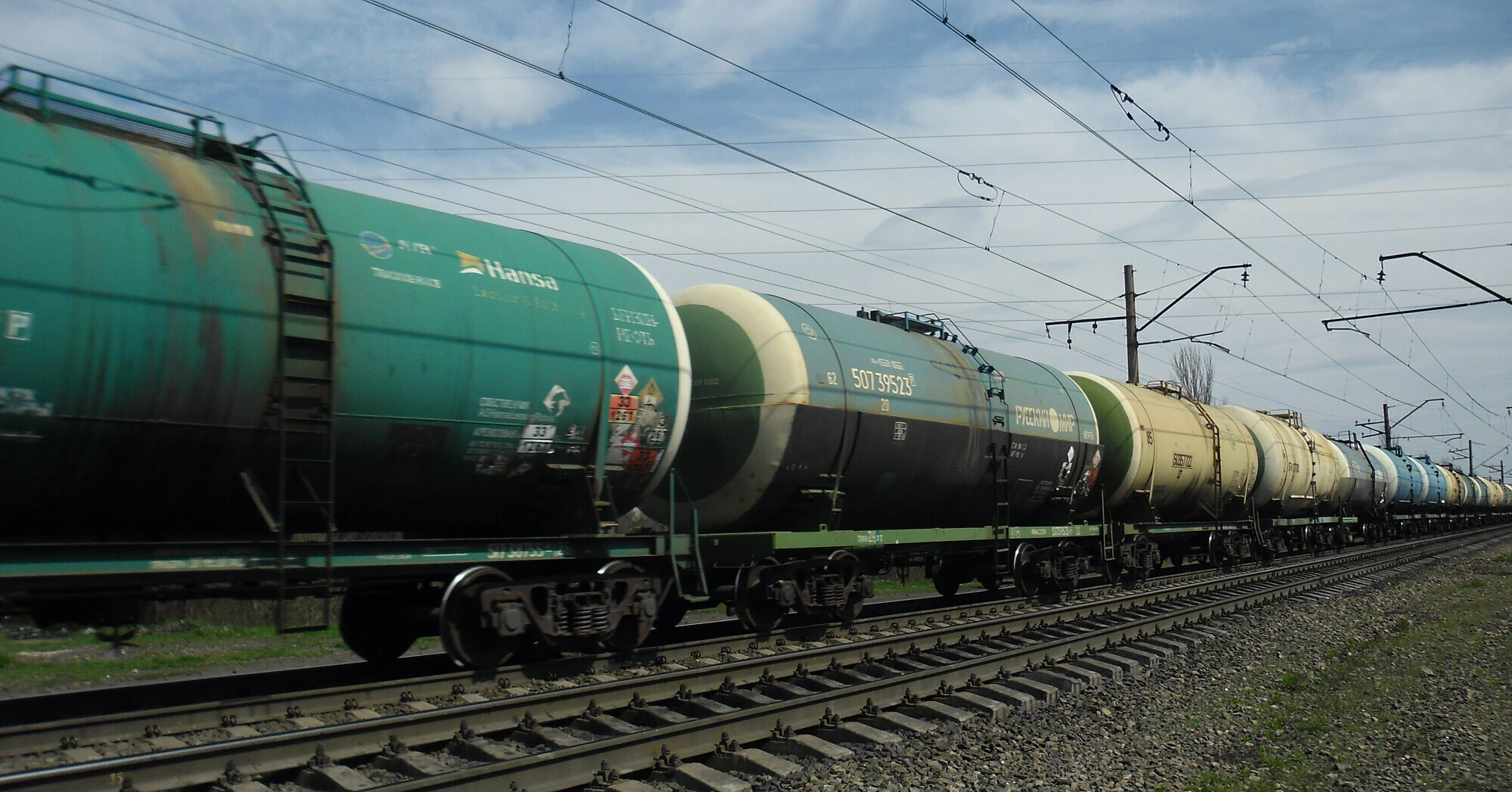
Russia hopes to increase diesel fuel exports to 3-3.5 million tons per month by the end of 2026, returning to the volumes that existed before the fuel crisis. Moscow voiced such plans after an agreement with the administration of US President Donald Trump on restoring Russian diesel supplies to the world market.
Russian Deputy Prime Minister Alexander Novak said this on October 12 in an interview with Russian media.
"In general, we have the opportunity to increase diesel fuel export volumes. By the end of the year we can reach 3-3.5 million tons per month of supplies to world markets, as it was before the crisis times", Novak said.
According to him, Russian oil companies are already negotiating with potential buyers, including American ones. In addition, the energy ministries of Russia and the US are discussing supply issues.
Novak assured that Russian refineries have enough capacity to ensure the domestic market and increase exports. At the same time, there is no independent confirmation of the ability to restore the declared volumes after numerous Ukrainian strikes on oil refining enterprises.
Terms of the US-Russia diesel deal
On October 9, Donald Trump announced an agreement with Vladimir Putin on additional diesel fuel supplies to the American and world markets. According to the US President, Russia must immediately provide more than 300 thousand tons of diesel, in November - another 500 thousand tons, and later - an additional 1 million tons.
The US Treasury Department issued General License No. 135, which until April 7, 2027 permits operations for the sale, transportation, unloading and import of diesel of Russian origin, including directly to the US. This is a temporary easing of part of American sanctions, not their complete cancellation.
After the negotiations, Moscow also began to prematurely lift its own restrictions on diesel fuel exports, introduced due to a shortage on the domestic market.
The deal has drawn criticism from Ukraine and some American legislators, since the resumption of petroleum product exports could increase Russia's income, which it uses to finance the war.
Ukrainian strikes on refineries and the world market situation
In recent months, Ukrainian drones have regularly attacked Russian oil refineries. Damage to production equipment caused interruptions in oil refining and fuel production, exacerbating the fuel crisis in Russia.
Washington has recently called on Kyiv to stop strikes on Russian refineries. Trump linked these attacks to the rise in diesel prices, although the situation on the world market is also determined by the war in the Middle East, supply problems through the Persian Gulf and limited oil refining capacities.
Ukrainian President Volodymyr Zelenskyy said he is ready to stop strikes on Russian energy infrastructure if Moscow likewise stops attacks on Ukrainian energy facilities.
On the world market, diesel remains expensive, despite a short-term decline in quotations after Trump's statement. According to exchange trading data, on October 12, futures for London gasoil, one of the international benchmarks for diesel fuel prices, were around $1.4 thousand per ton.
Novak claims that reports of additional Russian supplies have already contributed to a decrease in world diesel prices by about 5-6%. However, energy analysts point out that the real impact of the deal will depend on the state of Russian refineries, tanker availability and actual loading volumes.
Diesel in the US remains expensive ahead of elections
The problem of diesel fuel prices is especially acute in the United States, where midterm congressional elections will be held on November 3.
According to the American Automobile Association (AAA), as of October 12, the average retail diesel price in the US was about $6.27 per gallon, compared to $3.67 a year earlier. Thus, fuel has risen in price by about 71% year-over-year.
Although prices have declined somewhat from September's historical maximum, they remain extremely high for American carriers, farmers and enterprises that use diesel equipment. Rising fuel prices also increase shipping costs for goods and food.
Against this background, the Trump administration is trying to increase the available diesel supply. However, as The Guardian notes, citing energy analysts, the announced volumes of Russian supplies are relatively small and their delivery will take time. Therefore, a significant reduction in American retail prices before the elections remains questionable.
For the Republican Party, high fuel costs have become one of the economic problems on the eve of the vote. At the same time, the agreement with Moscow has sparked controversy among American politicians, some of whom oppose easing sanctions on Russia during its war against Ukraine.
Based on materials from: US Treasury Department, Investing.com, The Guardian