

Dispute over financial monitoring of officials threatens Ukraine's financing from IMF and EU - Bloomberg
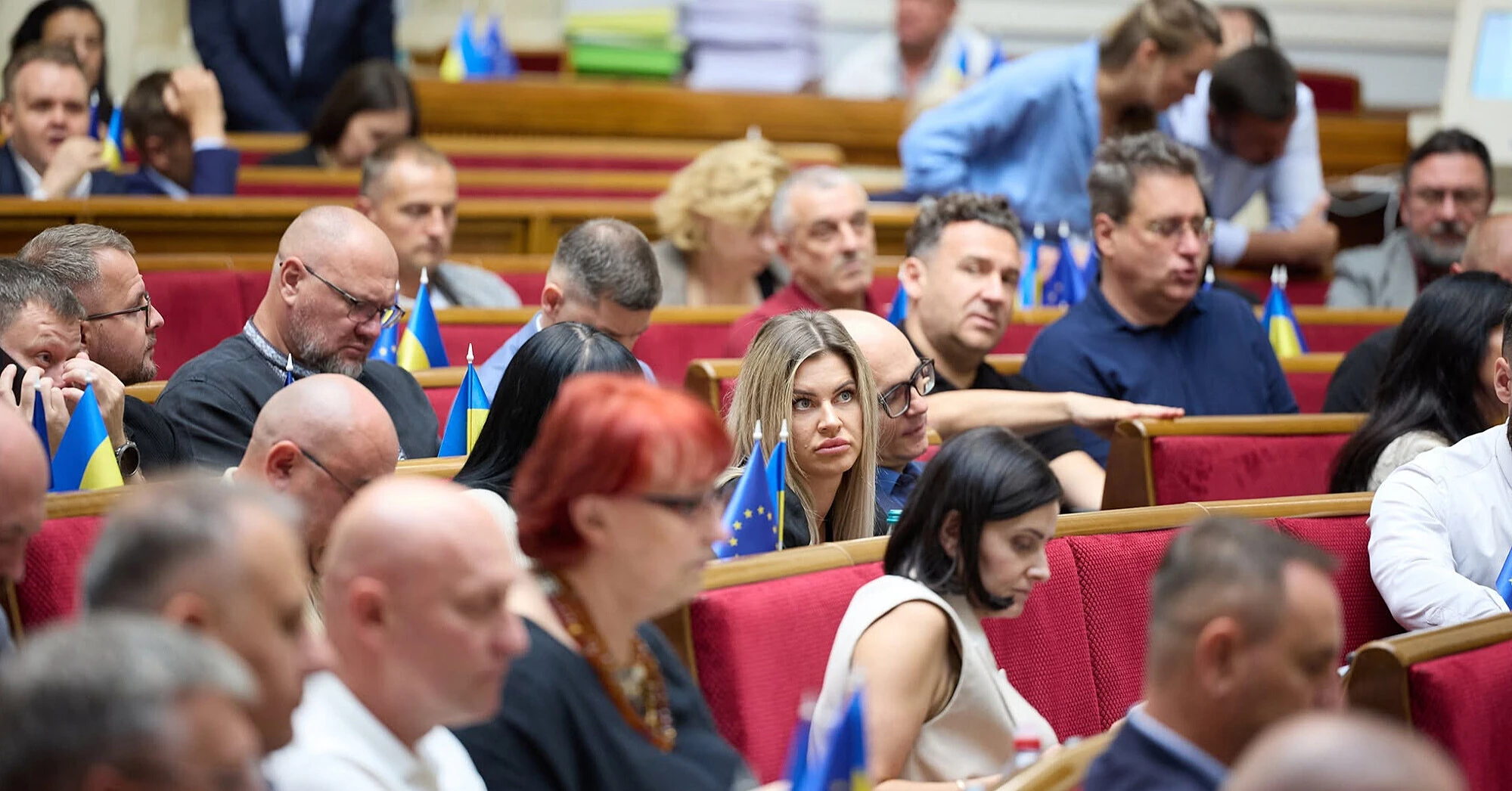
The dispute over financial monitoring rules for Ukrainian high-ranking officials could jeopardize the receipt of new tranches from the European Union and the International Monetary Fund. The biggest disagreements have arisen over the status of politically exposed persons (PEPs), for whom enhanced bank scrutiny is foreseen.
Bloomberg reported this, citing sources familiar with the negotiations between Ukrainian authorities and international creditors.
According to the agency, this week the Verkhovna Rada is to consider 16 draft laws, on the adoption of which further financing for Ukraine depends. According to the estimate of People's Deputy Yaroslav Zheleznyak, it concerns the possibility of attracting about $4.3 billion from international partners.
The legislative initiatives cover labor standards, anti-money laundering, tax changes and other reforms agreed with the EU and IMF. The most important votes are scheduled by Wednesday, October 14.
However, according to two Bloomberg interlocutors, a key obstacle may be the reluctance of some deputies to maintain strict financial control rules for politically exposed persons.
This concerns officials, parliamentarians and other persons whose activities are associated with increased corruption risks. Banks are obliged to apply additional verification measures to them in accordance with anti-money laundering legislation.
Earlier, the Verkhovna Rada supported an amendment that softens the rules of enhanced financial monitoring for former top officials. However, international creditors opposed such changes, considering them a weakening of anti-corruption guarantees.
According to Bloomberg, some variants of new legislative changes provide for the preservation of lifelong PEP status and repeal of the amendment that simplified financial checks. At the same time, maintaining PEP status does not mean automatic application of equally strict control throughout life: the scope of checks should take risks into account.
The agency's interlocutors warn that parliament's refusal to repeal the controversial amendment could derail agreements on further payments from the EU and IMF.
The conflict has already spread to relations between the Verkhovna Rada and the National Bank. According to Bloomberg sources, many deputies demand that President Volodymyr Zelenskyy dismiss NBU Governor Andriy Pyshny, as they consider him a supporter of maintaining the current requirements for financial monitoring of officials.
There is no official decision on changing the leadership of the central bank. The agency also does not report any personnel moves by the president.
International creditors insist on reforms
In its July report, the IMF already expressed concern about changes to Ukrainian legislation regarding PEPs. In particular, the fund criticized the proposal to limit enhanced checks of former officials to 12 months after dismissal, allowing their extension only if there is documented high risk.
According to IMF experts, such changes, together with the expansion of the list of persons subject to financial monitoring, could weaken the effectiveness of the system and create inconsistency with international FATF standards.
Additional disputes are caused by tax initiatives, in particular restrictions on benefits for international parcels, taxation of income from digital platforms and fight against tax regime abuses.
The parliament has repeatedly postponed part of these changes due to insufficient support among deputies. According to Bloomberg interlocutors, the government earlier tried to implement part of the demands of international partners in a softened form, but now there is less room for further compromises.
The situation is complicated by rising military spending and Ukraine's need for external financing. In early October, the European Union refused to early transfer funds earmarked for Ukraine for 2027, insisting on the implementation of already agreed reforms.
As the Financial Times previously reported, Brussels primarily expects the fulfillment of legislative conditions to unlock funds available within existing financial programs.
According to IMF estimates, Ukraine's budget deficit in 2027 will exceed $30 billion. Therefore, a delay in passing laws could affect not only the nearest tranches, but also negotiations on financing state needs next year.
However, even the adoption of the entire package of draft laws will not mean automatic receipt of the stated amount. Further payments will depend on the fulfillment of specific program conditions and decisions of international creditors.
Based on materials from: Bloomberg, International Monetary Fund, Financial Times