

IMF warns of largest budget deficits in major economies since the pandemic
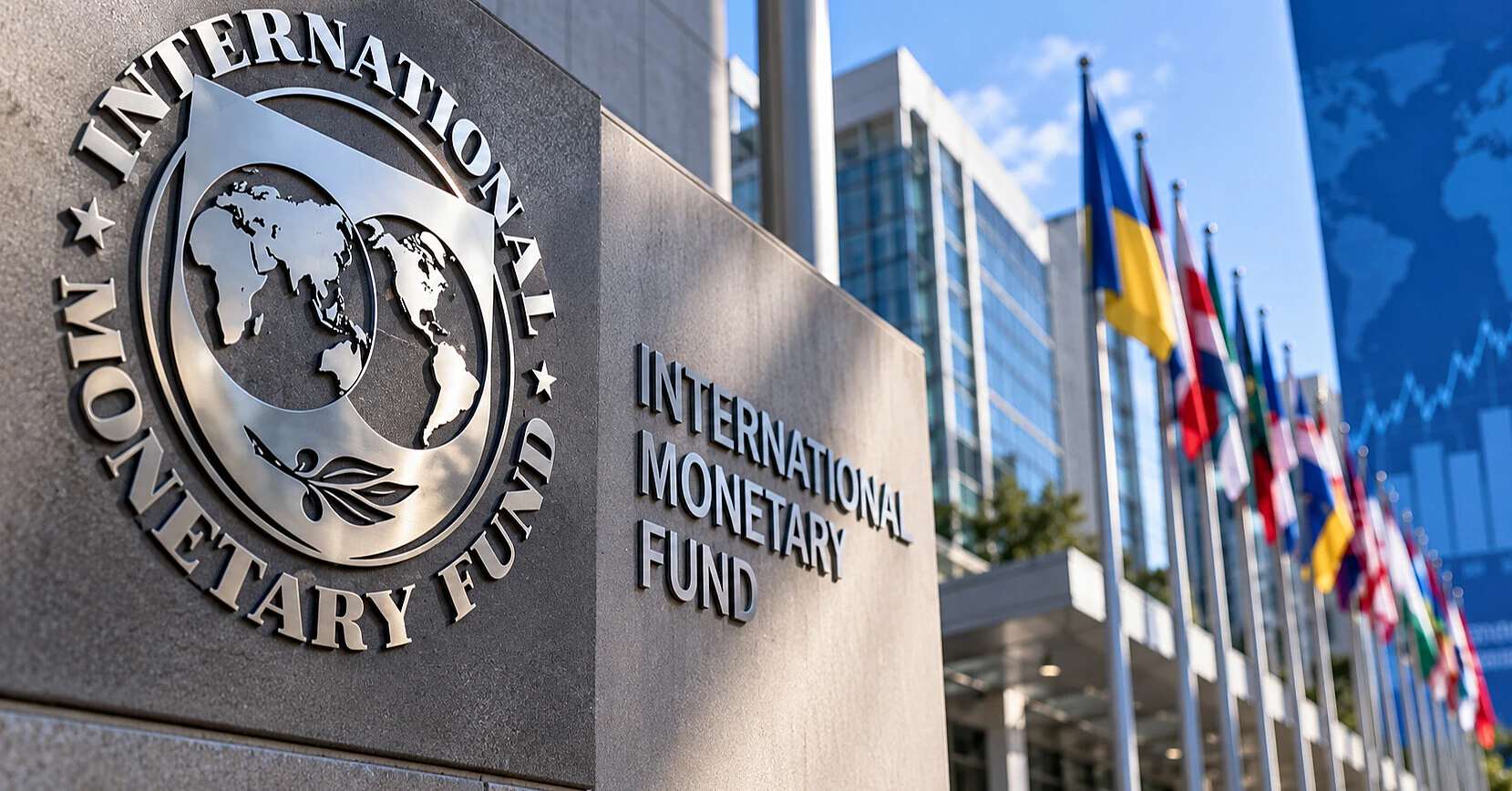
The world's largest economies have faced a deterioration in public finances. In 2026, the budget deficits of developed countries may reach the highest level since the COVID-19 pandemic. The International Monetary Fund urged governments to urgently reduce debt risks, as servicing government obligations is becoming increasingly expensive.
This was reported by the Financial Times, citing the updated IMF World Economic Outlook forecast, published on October 13.
The fund estimates that in 2026, the aggregate general government deficit of advanced economies will amount to 5.2% of GDP. This is the highest figure since 2021, when countries financed large-scale economic support programs during the pandemic.
Compared with the April estimates, the IMF has worsened its assessment of public finances. The main problems remain significant budget expenditures, rising borrowing costs, and the need to refinance accumulated debts.
US and China deficits will exceed 8% of GDP
The IMF forecasts the largest imbalances in the public finances of the United States and China.
In the US, the general government deficit may reach 8.5% of GDP in 2026 against 7.1% last year. By comparison, on the eve of the pandemic, this indicator stood at 5.8% of GDP.
In China, the deficit, according to the fund's forecast, will also be at least 8% of GDP.
However, the IMF figure for the US differs from the usual federal budget statistics. The fund takes into account the finances of all levels of government, including states and local authorities.
In particular, the US Congressional Budget Office (CBO) in February forecast a federal budget deficit of 5.8% of GDP. This estimate does not contradict the IMF figure, as it covers a narrower range of public finances.
Government debts are becoming more expensive
The International Monetary Fund warns that risks to government budgets are increasing due to rising yields on government bonds in global markets.
High energy prices maintain inflationary pressure, forcing central banks to keep interest rates high or raise them. This increases the cost of new borrowing for governments.
At the same time, countries need to repay or refinance debts accumulated in previous years. If new bonds have to be placed at higher interest rates, budget expenditures on debt service increase.
According to IMF estimates, global public debt is approaching 100% of global GDP by the end of this decade.
This limits the ability of governments to support the economy during future crises, finance infrastructure projects, and respond to new energy or geopolitical shocks.
In the new Global Financial Stability Report, the fund separately warned that further increases in sovereign bond yields could provoke broader instability in financial markets.
The global economy is growing, but risks are accumulating
Despite the worsening budget forecasts, the IMF has somewhat improved its expectations for the global economy.
In 2026, global GDP, according to the fund's forecast, will increase by 3.1%, and in 2027 by 3.4%. The estimate for the current year was raised by 0.1 percentage point.
One of the factors supporting economic activity has been the investment boom in the field of artificial intelligence. Technology companies are investing heavily in data centers, semiconductors, and other computing infrastructure.
However, the benefits of such growth are unevenly distributed. Countries associated with the production of AI equipment and the development of relevant technologies benefit most, while energy importers feel additional pressure due to high prices.
The IMF also warns of the risk of overvaluation of assets associated with artificial intelligence. If the expected profit from large-scale investments does not materialize, this could cause a correction in stock markets and worsen financing conditions.
The IMF called on governments to urgently rebuild budget reserves
In the fund's view, relatively stable economic growth should not create an illusion of financial safety for governments.
Countries are advised to gradually reduce budget imbalances, build reserves for new crises, and ensure long-term sustainability of public debt.
At the same time, the IMF does not call for abandoning support for the population. Assistance to households suffering from higher energy and food prices should be targeted, temporary, and not create an excessive additional burden on budgets.
The fund pays special attention to the independence of central banks. Due to growing government debts, governments may increase pressure on regulators, seeking cheaper credit or softening the fight against inflation.
The IMF warns that such decisions can weaken confidence in monetary policy and further increase risks in debt markets.
Thus, the main problem is that even with continued economic growth, the world's largest countries continue to accumulate debt, and their financial capacity to deal with future crises is shrinking.
Materials used: Financial Times, IMF - World Economic Outlook, IMF - Global Financial Stability Report