

Cost of transporting Russian oil reaches new highs
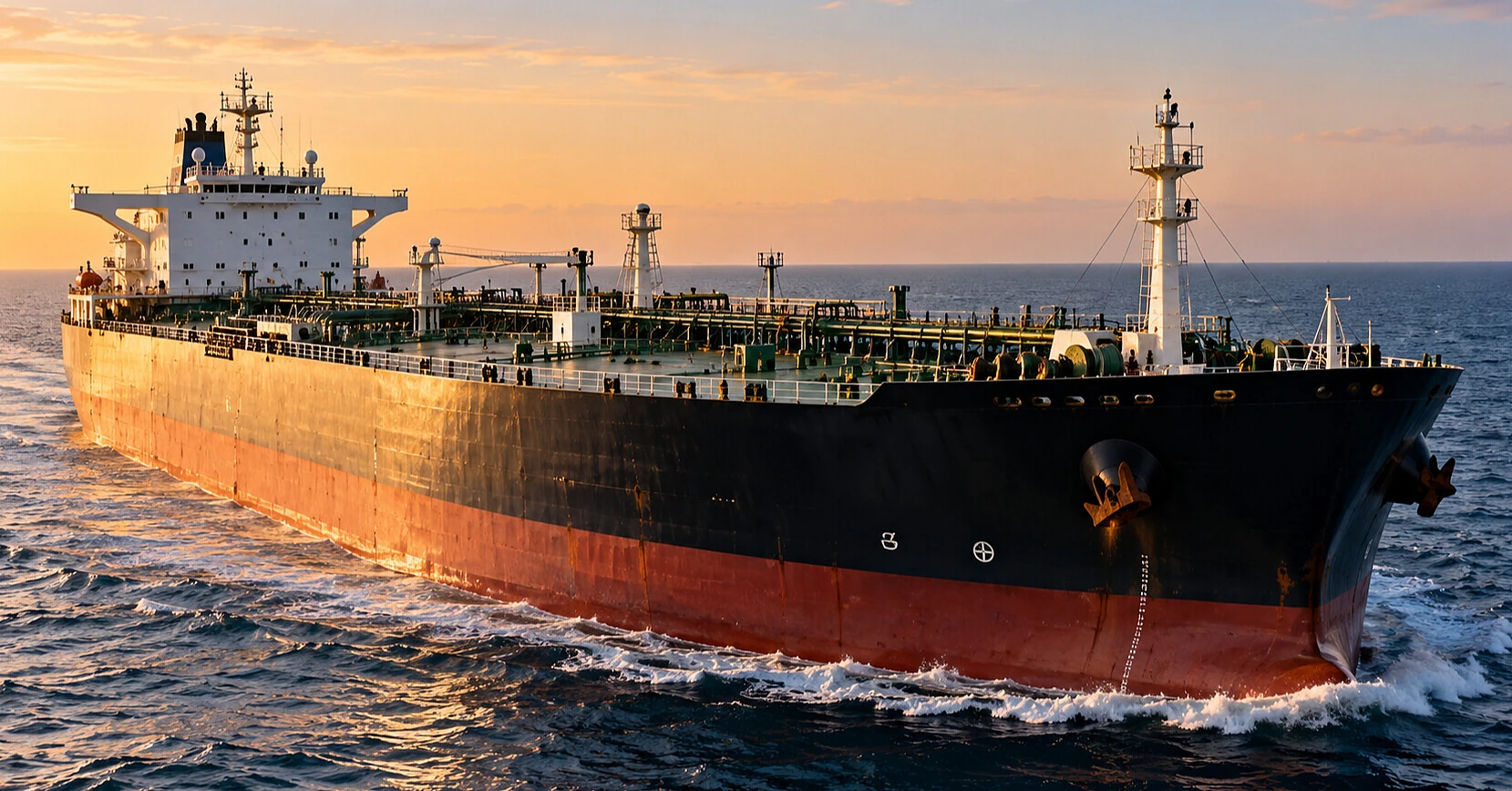
The cost of shipping Russian Urals crude oil to India by sea hit an all-time high in early October 2026. Due to heightened risks in the Black Sea and a shortage of available tankers, delivery costs rose significantly, limiting Russia's ability to earn additional revenue from high global prices.
Reuters reported this on October 13, citing sources among oil traders and shipping market participants.
According to the agency's interlocutors, the cost of transporting Russian oil to Asian countries currently stands at around $30 per barrel or more. The increase was particularly noticeable for shipments from Russia's Black Sea and Baltic ports to India.
For example, delivering a cargo of Urals from the Black Sea to India on Suezmax tankers with a capacity of about 140,000 tonnes now costs $27–30 million for a single voyage.
Back in September, a similar shipment cost about $19 million. Thus, within a few weeks, expenses increased by $8–11 million, or roughly 42–58%.
Oil deliveries from Russia's Baltic ports also became more expensive. According to market participants, transporting a cargo of about 100,000 tonnes on Aframax tankers to western India now costs an average of $21–23 million.
In September, the cost of such voyages ranged from $13–16 million. Moreover, some shipowners are already asking almost $25 million for a single cargo.
Record levels were observed not only on routes to India. According to shipbroker Riverlake, in October freight rates for shipping oil from the Black Sea to the Mediterranean on the Worldscale international scale rose to 1002.5 points, up from about 500 points in the second half of September.
This figure is almost double the previous historical high. Shipping rates within the Mediterranean also hit records, exceeding 900 Worldscale points.
The main reasons for the increase were heightened security threats to shipping and overall rising demand for tanker transport.
Due to military risks in the Black Sea, some shipowners avoid calling at Russian ports. This reduces the number of available tankers and allows carriers to demand higher freight rates.
Additional pressure stems from the tense situation in the Middle East. Risks to shipping in the Strait of Hormuz contribute to rising freight costs and redistribution of the tanker fleet between regions.
Back in September, Ukraine's Foreign Intelligence Service reported that some carriers were redirecting vessels to Middle Eastern routes where they could earn higher charter rates. At the same time, insurance costs for voyages through the Black Sea increased.
For Russian oil exporters, record-high logistics costs mean reduced potential profits from crude sales. Even against the backdrop of high global oil prices, a significant portion of revenue may be spent on transport and insurance.
Russia is forced to send most of its oil from western ports to Asian markets, primarily India and China. Such routes are significantly longer and more expensive than shipments to European countries, which were previously the main buyers of Russian crude.
High transport costs also strengthen the bargaining position of Asian buyers, who may demand additional price concessions from suppliers.
The actual impact of record freight rates on Russia's export revenues depends on the terms of specific contracts and how transport costs are allocated between sellers and buyers.
Based on materials from: Reuters, Ukraine's Foreign Intelligence Service.