
The United States may allow additional supplies of Russian diesel fuel to the global market depending on Moscow's further actions. Washington is considering easing sanctions as an economic incentive that should encourage Russia to end the war against Ukraine.
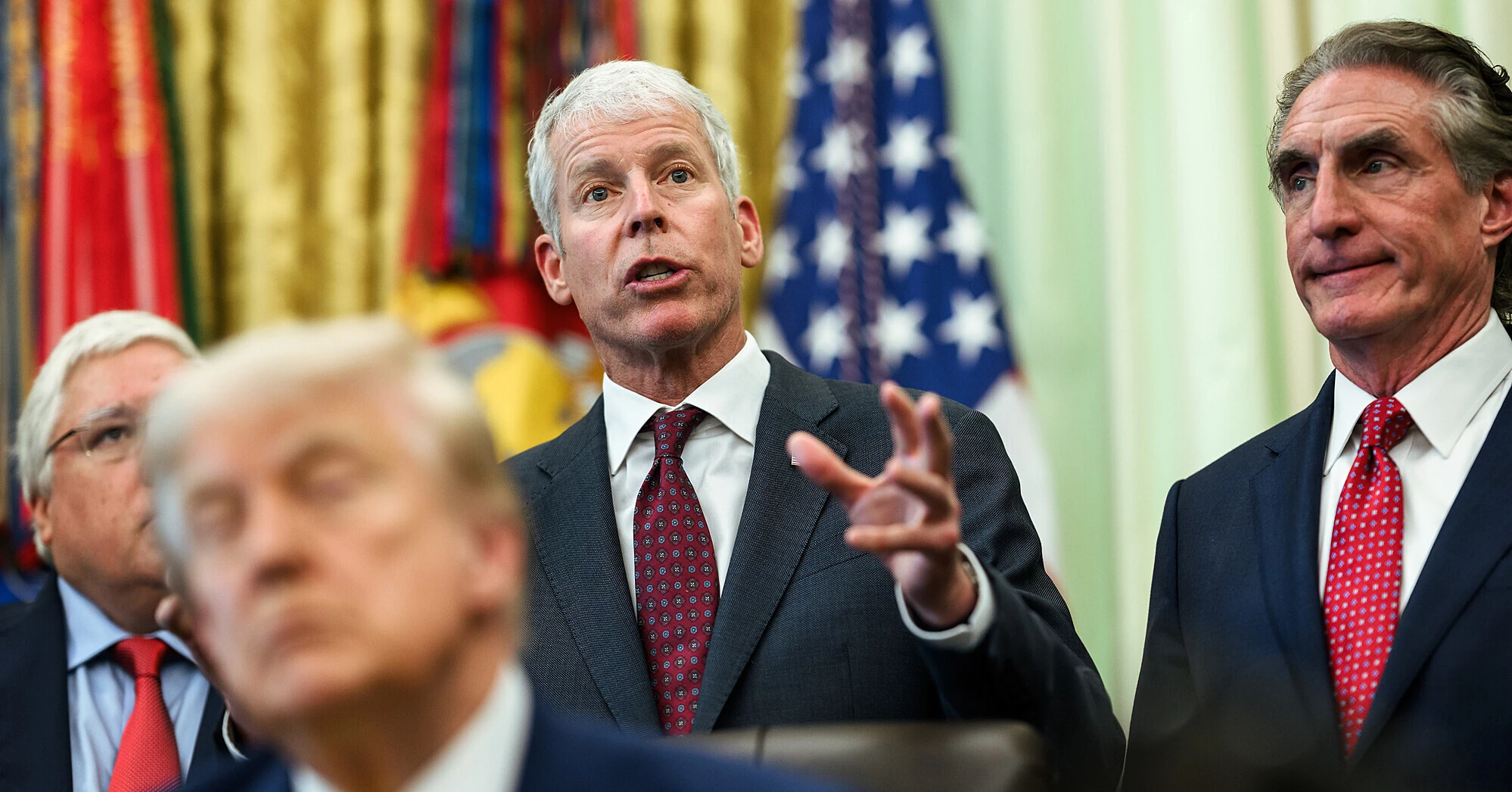
US Energy Secretary Chris Wright said this on October 27 in an interview with CNBC.
According to Wright, the temporary easing of US sanctions on Russian diesel exports is intended to show the Kremlin the possible economic benefits of ending hostilities.
"This is an attempt to offer Russia an incentive", the minister explained, commenting on the decision of the Donald Trump administration.
He also noted that the US could allow the dispatch of additional tankers with Russian diesel within the current sanctions exception. Asked about that possibility, Wright answered that it is "entirely possible".
The minister expressed a similar position in an interview with ABC News on October 18. Then he said that the American administration is trying to encourage Russia to reduce the intensity of the war, agree to stop strikes on energy infrastructure or reach a broader peace agreement.
"This is an incentive to end the war, not an economic rescue for Russia", Wright emphasized.
According to his explanation, Moscow will be able to benefit economically from diesel exports if it reduces domestic fuel consumption for military needs or restores damaged refining capacity.
The agreement between Donald Trump and Vladimir Putin provides for the resumption of Russian diesel supplies. According to the announced terms, Russia is to export 800 thousand tons of fuel during October and November, and then another one million tons.
According to CNBC, citing MarineTraffic data, the Russian tanker Talisman is expected off the east coast of the United States on November 9. Another vessel, Leruo, departed Russia heading for the Atlantic coast, but has not listed the US as a specific destination.
At the same time, analysts polled by CNBC doubt that the agreement will significantly affect global prices. The agreed volumes of Russian diesel remain small compared to global consumption of about 28 million barrels per day.
The deal has sparked criticism in Ukraine and in the US Congress. President Volodymyr Zelenskyy earlier spoke out against easing restrictions on the Russian energy sector, which provides revenues to fund the war.
According to a CNN report of October 27, a group of American lawmakers also wrote to major banks, fuel companies and port authorities demanding that they preserve documentation regarding possible operations with Russian diesel. The congressmen warned about legal risks of such supplies and possible parliamentary investigations.
The White House insists on the legality of the agreement. So far, Washington has not announced new decisions on additional import volumes, and the possibility of their increase remains dependent on the future policy of the US administration.
Based on materials from: CNBC, October 27, ABC News, CNN
