
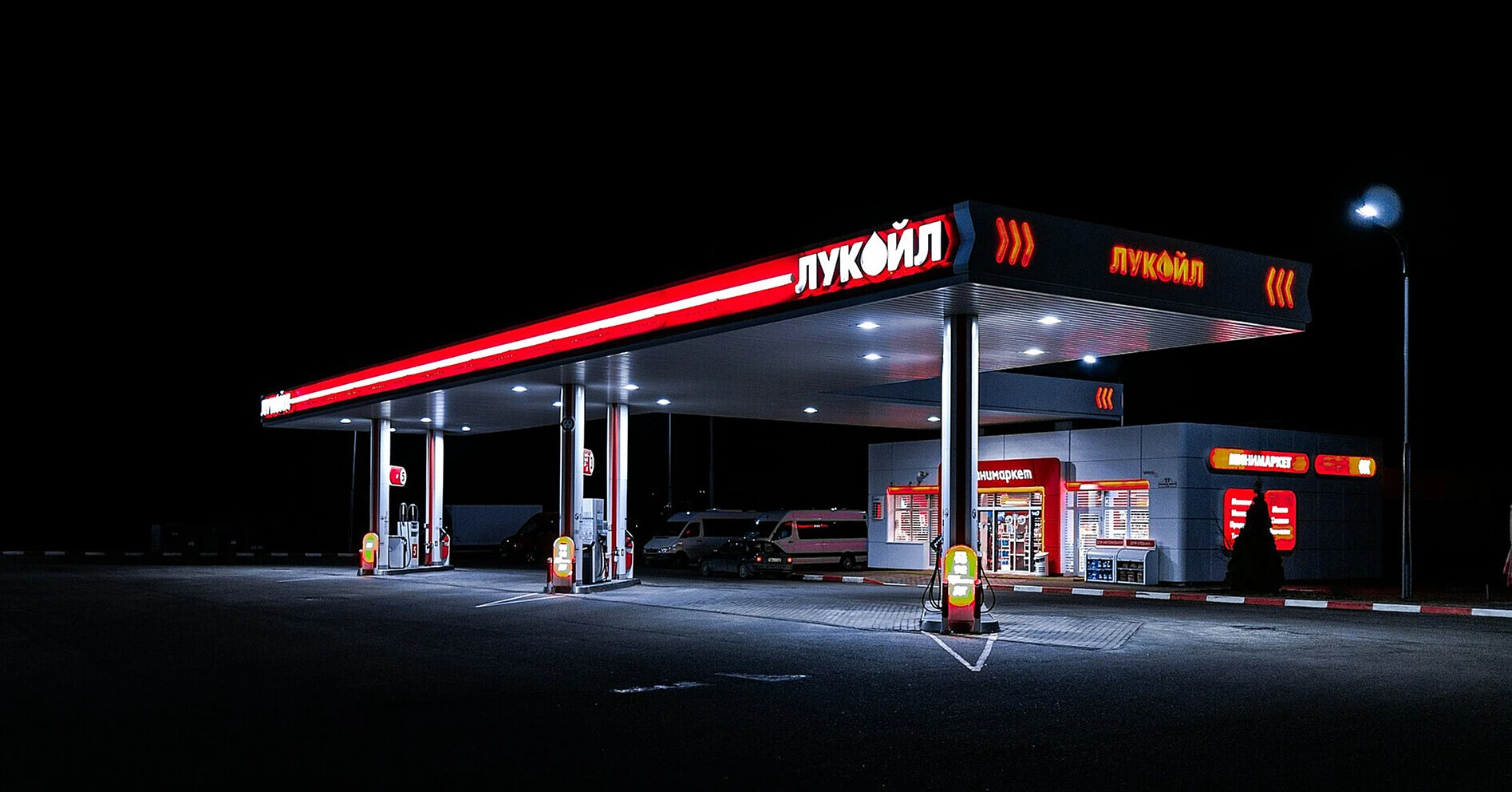
Russia has kept restrictions on diesel fuel exports by producers until January 31, 2027. The decision prolongs uncertainty over supplies to the global market, where diesel supply is already limited. For Ukraine, European purchase prices and the availability of imported fuel matter, but this decision does not automatically lead to higher prices at gas stations.
The Russian government announced the extension of the ban on October 31. The restrictions also apply to marine fuel and gasoils. Previously, for direct producers they were in effect until the end of October, while for other exporters the ban had already been set until the end of January.
Resolution No. 1436 canceled the norm that was supposed to allow broader exports from November if certain conditions were met. Exceptions remain, including supplies under intergovernmental agreements in agreed volumes. Russian authorities also allowed certain foreign shipments after the October agreements with the United States.
According to Russian Deputy Prime Minister Alexander Novak, in November Russia plans to supply about 2.15 million tons of diesel to global markets under the exceptions. For October, he cited a volume of 510 thousand tons. The November figure is a stated plan, not a confirmed export result.
Therefore, extending the ban does not mean the disappearance of all Russian supplies. For the global balance, the actual permitted volumes and the ability of refineries to provide them are important.
The International Energy Agency noted in its October report that the global diesel market remains under significant pressure. In September, global exports were 700 thousand barrels per day below last year's level: the reduction in supplies from Russia and the Middle East was only partially offset by other sources. These data refer to the period before the new extension of the ban.
The Ukrainian market is connected to this situation through imports and European quotations. According to the A-95 Consulting Group, in September Ukraine imported 537 thousand tons of diesel. The largest supply direction remained Poland—203 thousand tons, and another 66 thousand tons came from Lithuania. Thus, the cost of the resource available in Europe is of direct importance for purchases by Ukrainian companies.
At the same time, domestic prices depend on logistics as well. In a study dated October 28, enkorr reported that increased fuel inflows eased the deficit tension and turned Ukrainian wholesale prices downward. After the opening of priority fuel passage at the border, average daily imports by October 26 rose to 23.6 thousand tons versus 16.9 thousand tons for the first 22 days of the month.
This dynamic shows why the Russian decision cannot be directly translated into a forecast of an increase in the price per liter at a Ukrainian gas station. Limited global supply maintains external price risk, but increased imports and improved delivery can mitigate pressure within Ukraine.
The American direction also remains a separate factor. Novak said that supplies to the United States will continue under contract terms. The OFAC license No. 135 issued on October 9 temporarily permits the operations it covers with Russian diesel, including imports to the United States, until the deadline set in the document, April 7, 2027. This American sanctions authorization does not by itself cancel Russian export restrictions.
Based on materials from: Interfax, Resolution No. 1436 — text on TKS, IEA — October Oil Market Report, A-95 — import data via enkorr, enkorr — wholesale market study, US Treasury — OFAC License No. 135
