
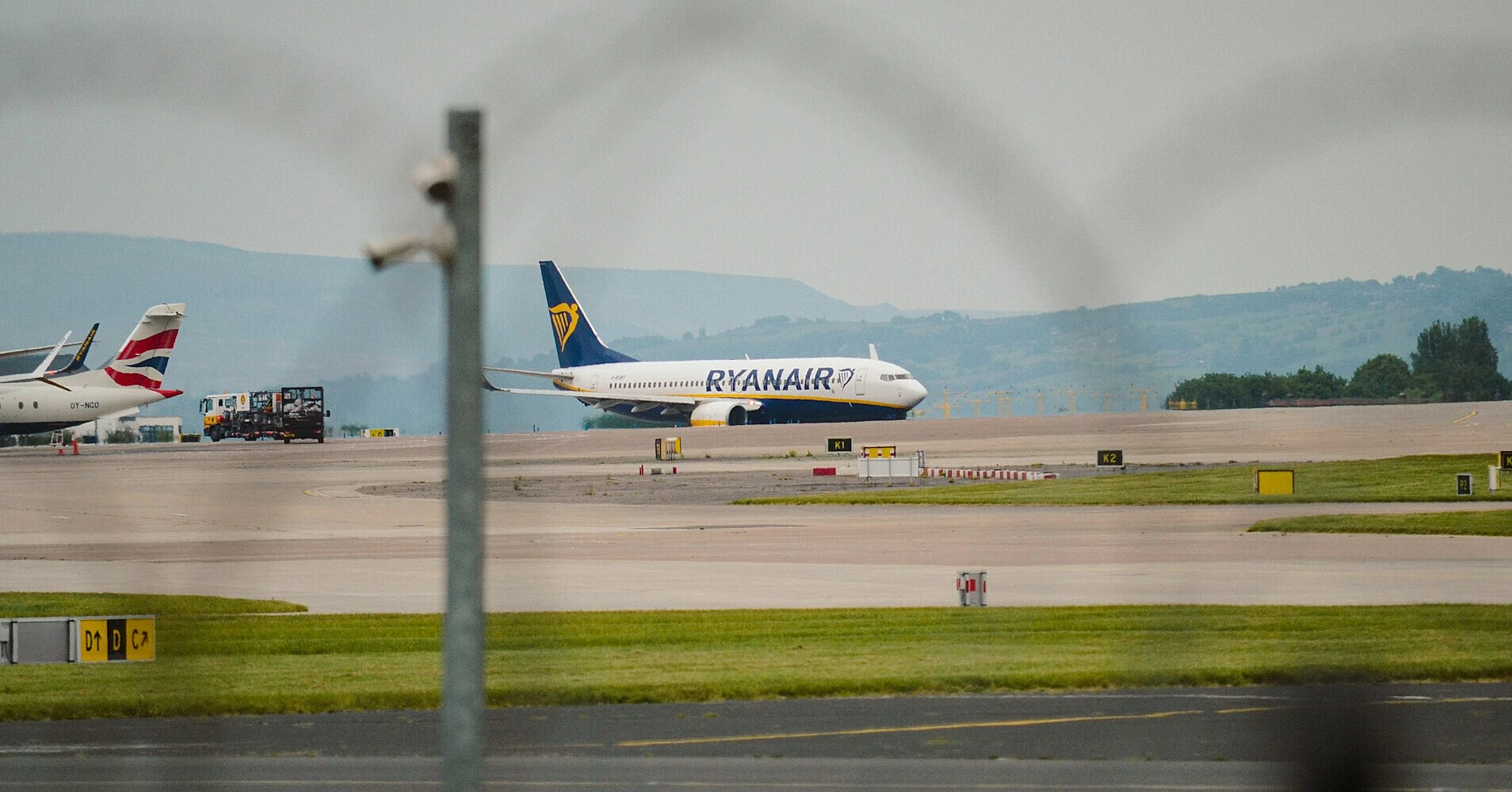
The largest European low-cost airline Ryanair is considering a temporary freeze on employee salaries, reviewing crew costs, and wider use of artificial intelligence. The company is preparing for a significant increase in fuel expenses due to the war in the Middle East.<\/b><\/p>\n
The Guardian reported this on November 2, citing the airline's financial report and a statement by Ryanair CEO Michael O'Leary.<\/p>\n
The company estimates that in the fiscal year starting April 1, 2027, and ending March 31, 2028, spending on jet fuel could rise by approximately €2 billion. This forecast is based on current forward energy prices.<\/p>\n
Ryanair's management warns that without a quick resolution of the conflict in the Middle East, jet fuel prices may remain high for much of 2027.<\/p>\n
The company expects an increase in airfares on European short-haul routes, but even higher tariffs may not offset the rise in fuel costs.<\/p>\n
Michael O'Leary estimates that to fully compensate for the additional fuel expenses, Ryanair would need to raise average fares by about 20%. At the same time, the airline chief is not confident that such an increase can be achieved. He expects double-digit price increases for air tickets in Europe next year.<\/p>\n
To reduce financial pressure, Ryanair is reviewing expenses across all companies in the group. Possible measures include:<\/p>\n
- \n
- temporary salary freeze as part of reviewing labor agreements;<\/li>\n
- reviewing crew numbers and personnel expenses;<\/li>\n
- negotiations with airports to reduce fees and other charges;<\/li>\n
- wider use of artificial intelligence to increase efficiency of operational and administrative processes.<\/li>\n<\/ul>\nRyanair clarified that artificial intelligence is planned to be used primarily for optimizing internal operations, planning, and the work of support services.<\/p>\n
At the same time, no final decisions about freezing salaries or reducing crews have been announced. The airline is only assessing possible ways to cut costs amid high fuel prices.<\/p>\n
Some of the financial risks have been limited by Ryanair thanks to previous contracts for purchasing jet fuel at fixed prices.<\/p>\n
Until the end of March 2027, the company hedged about 80% of its fuel needs at a price of approximately $67 per barrel. However, for the next fiscal year, corresponding contracts cover only 25% of needs at a price of about $95 per barrel.<\/p>\n
This means that after the current contracts expire, Ryanair will become more dependent on market energy prices.<\/p>\n
Fuel costs already affected the airline's financial results. For the six months ended September 30, 2026, Ryanair's net profit fell by 15% - from €2.54 billion to €2.15 billion.<\/p>\n
Meanwhile, the number of passengers carried increased by 6% to 125.8 million, and revenue rose by 3% to €10.08 billion. However, operating expenses increased by 10%, in particular due to higher jet fuel prices, whose price under unhedged contracts roughly doubled.<\/p>\n
The average ticket price for the first fiscal half fell by 4%. Ryanair explains this by more cautious passenger behavior, with more people postponing bookings until closer to departure.<\/p>\n
The company also previously cut its passenger traffic forecast for the current fiscal year from 216 million to 214 million people. This decision allows limiting the use of fuel purchased at high market prices.<\/p>\n
According to O'Leary, more expensive fuel and a reduction in available flights at European airlines create conditions for further fare increases in 2027. Actual ticket prices will depend on demand, energy prices, and competition on specific routes.<\/p>\n
Based on materials: Ryanair - H1 financial results<\/a>, The Guardian<\/a><\/p>
