
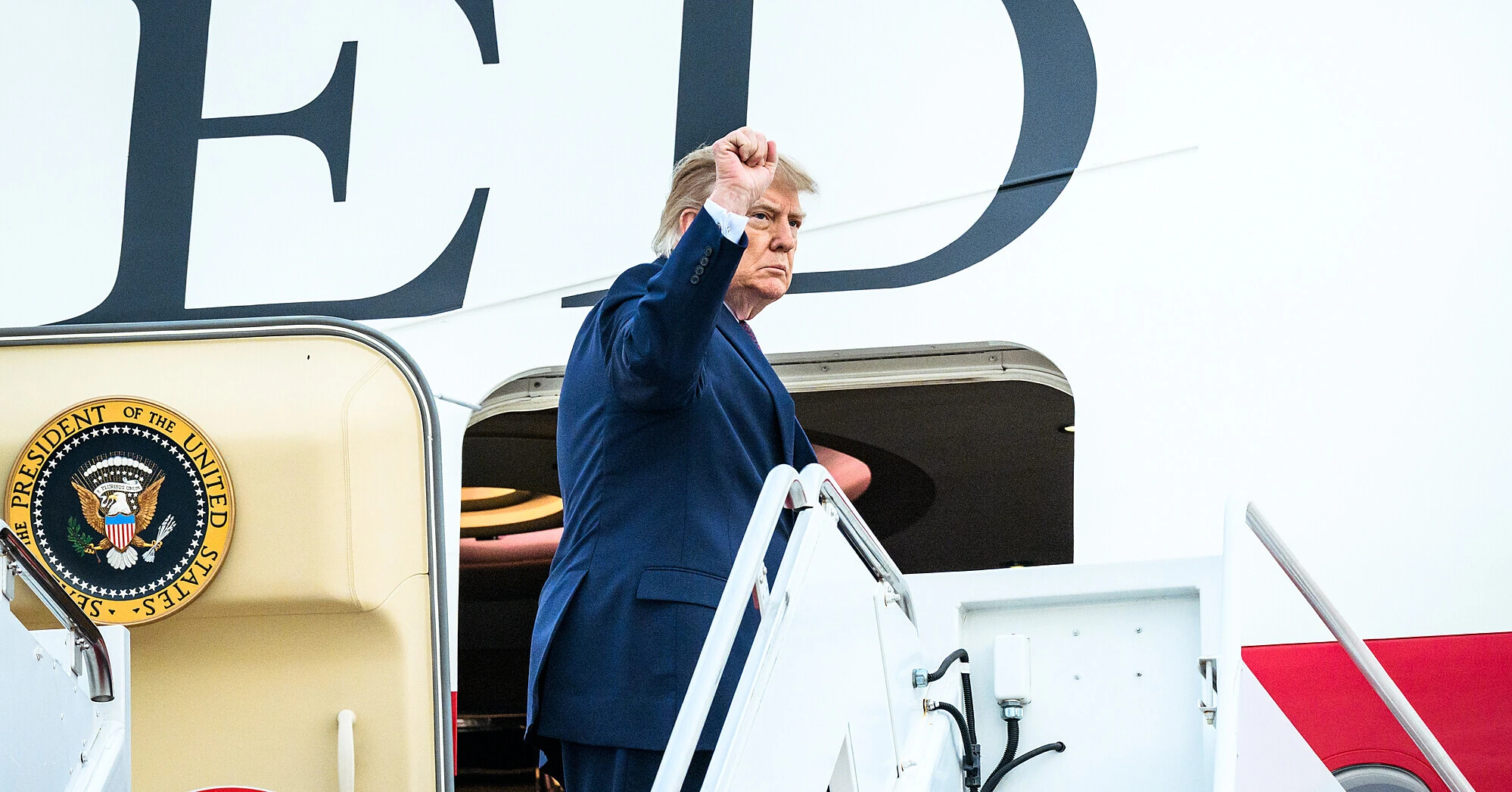
European U.S. allies fear that a possible defeat for the Republican Party in the November 3 midterm elections could prompt President Donald Trump to increase pressure on NATO. Diplomatic sources say potential consequences include a reduction in U.S. military presence in Europe and restrictions on arms supplies to Ukraine.
Politico reported this on November 2, citing five NATO diplomats who agreed to speak anonymously.
According to the officials, if Democrats gain control of one or both chambers of Congress, Trump's ability to implement domestic policy initiatives could significantly narrow. In that case, the U.S. president might focus more on foreign policy, where he has broader authority.
Three diplomats suggest that one such step could be the withdrawal of several thousand more U.S. service members from Europe.
Allies' key concern is related to the Pentagon's review of U.S. force posture in Europe. Its results are expected by December 2026.
As part of this process, Washington is assessing troop numbers, base locations, and the possibility of transferring greater responsibility for continental defense to European states.
European diplomats fear that after an unfavorable election result for Republicans, the White House could expand the scale of planned reductions in military presence.
Military aid to Ukraine could be at risk
According to Politico, among other possible steps by the Trump administration, diplomats are considering cutting U.S. contributions to NATO's common budget and limiting the PURL mechanism for purchasing weapons for Ukraine.
This program allows European allies and partners to fund the purchase of American military equipment and ammunition for Ukraine. NATO coordinates needs assessment and arms supplies, including air defense systems.
According to official Alliance data, partners have already secured over $6 billion in funding for American weapons for Ukraine through PURL.
Thus, possible restrictions from Washington could affect the supply of critical systems, even if European countries remain willing to pay for the purchases.
Former NATO spokesperson, now an expert at the British think tank RUSI, Oana Lungescu, also does not rule out that Trump could link continued U.S. troop presence in Europe to allies' support for a U.S.-proposed peace agreement on Ukraine.
In her view, linking U.S. military presence, Ukraine's future, and relations with Russia in broader agreements with Moscow would create serious risks for European security.
These are assessments by diplomats and experts, not officially announced decisions of the U.S. administration.
Congress could limit U.S. troop reductions
U.S. law already contains safeguards against a sharp reduction in military presence in Europe.
The U.S. National Defense Authorization Act for Fiscal Year 2026 restricts the use of budget funds to reduce the number of U.S. troops in the U.S. European Command's area of responsibility below 76,000 for more than 45 days without going through prescribed procedures.
For such a decision, Pentagon and U.S. European Command leadership must provide justification and impact assessments, followed by a legally mandated waiting period.
However, experts interviewed by Politico doubt that legislative restrictions will definitely stop the administration from a large-scale troop cut decision.
According to Defense Priorities researcher Jennifer Kavanaugh, European countries will find it particularly difficult to replace American capabilities in electronic warfare, air defense, intelligence, aerial refueling, and certain logistics.
White House rejects criticism
The White House told Politico that Trump has made a significant contribution to strengthening NATO. Administration representative Olivia Wales pointed to the allies' agreement to increase defense and security spending to 5% of GDP by 2035.
She also emphasized that the U.S. president remains dissatisfied with the lack of proper support from European allies during the war with Iran.
Not all NATO officials expect drastic steps after the election. Montenegro's Defense Minister Dragan Krapovic noted that concerns about the U.S. leaving the Alliance have arisen repeatedly, but so far have not materialized.
The future U.S. policy on NATO will depend largely on the November 3 election results and Pentagon decisions on U.S. military presence in Europe. No new decisions on troop withdrawal or restrictions on PURL have been reported.
Sources: Politico, NATO, U.S. National Defense Authorization Act for Fiscal Year 2026
