
Governor of the American state of New Jersey Mikie Sherrill warned port operators and importers of possible multi-million dollar fines and criminal liability for accepting Russian diesel fuel. In her opinion, the permission of President Donald Trump's administration for such supplies contradicts US federal law, which prohibits the import of Russian oil products.
This is stated in the Governor of New Jersey's official letter dated November 2, addressed to the state's port and oil terminal operators.
Sherrill called on companies to refuse to accept tankers with Russian diesel, even if these supplies are carried out on the basis of a permit from the US Treasury Department.
The Governor stated that the state administration will use all available legal and regulatory mechanisms to prevent the use of New Jersey's port infrastructure for operations she considers illegal.
According to Sherrill, violations of federal customs regulations could threaten participants in import operations with fines equal to the value of illegally imported goods. She also warned of possible criminal liability.
The Governor emphasized that the statute of limitations for relevant violations may be five years. Thus, in her assessment, companies risk facing claims from law enforcement agencies even after the end of Donald Trump's presidential term.
The cause of the legal dispute was General License No. 135, issued on October 9 by the Office of Foreign Assets Control of the US Treasury Department (OFAC).
The document permits certain operations related to the sale, delivery, unloading, and import of diesel fuel of Russian origin, including directly to the United States.
The license is valid until April 7, 2027, and became one of the tools for implementing the agreements between Donald Trump and Vladimir Putin regarding increasing the supply of Russian diesel to the American and world markets.
However, according to Sherrill, the Treasury Department's authority to ease sanctions does not extend to a prohibition established directly by Congress.
In April 2022, American lawmakers passed the Ending Importation of Russian Oil Act, which prohibits the import of Russian energy resources, including diesel fuel, to the United States.
The Governor believes that the President cannot circumvent this prohibition with a regular sanctions license. To revoke it, the law provides separate conditions, including confirmation of agreements on the withdrawal of Russian troops from Ukraine.
In addition, Sherrill asserts that a decision significantly changing US sanctions policy towards Russia must undergo review by Congress. According to her, this was not done.
The practical significance of the warning is that Russian fuel is already heading for the American coast.
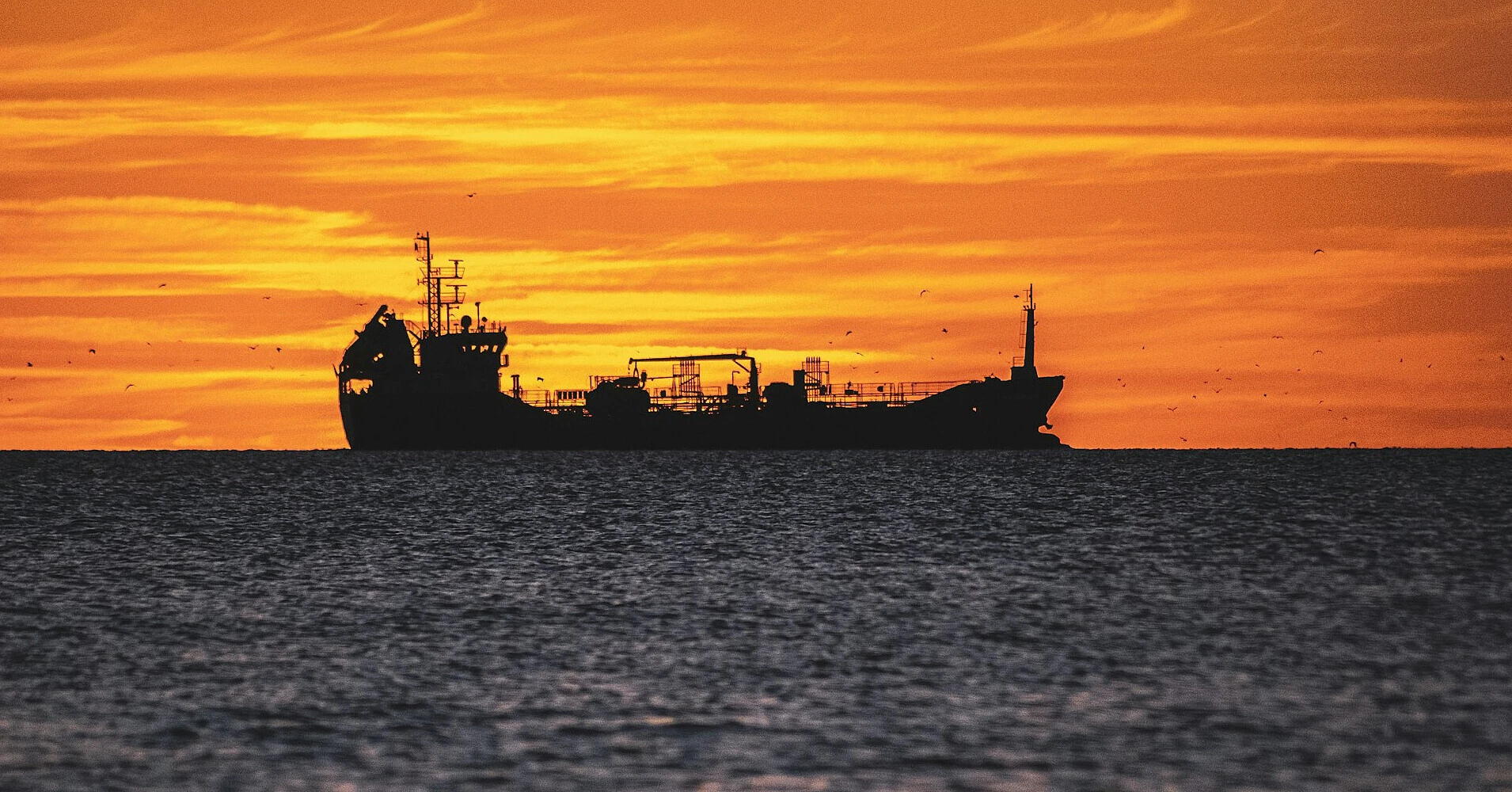
According to the Governor, after the issuance of the license, Russia sent several tankers with diesel fuel to the USA. At least one vessel, according to her data, may be heading towards the coast of New Jersey.
The potential legal consequences concern not only direct fuel buyers, but also port operators, terminals, and other participants in the logistics chain that may be involved in unloading and processing cargo.
At the same time, the administration of Donald Trump rejects accusations of the illegality of the issued permit.
According to CBS News, a representative of the American administration stated that the general license complies with current US law.
White House Spokeswoman Taylor Rogers noted that the agreement on the supply of Russian diesel should increase the supply of fuel on the world market and contribute to lowering prices for American farmers, carriers, and households.
Thus, the parties interpret differently the balance between the presidential sanctioning powers and the legislative prohibition established by Congress.
Currently, Sherrill's warning does not mean that a court has declared the OFAC license illegal or that the import of Russian diesel is already officially blocked. However, it creates additional legal risks for companies considering participating in these supplies.
Previously, American buyers and financial institutions have already demonstrated caution regarding operations with Russian fuel due to the uncertainty of the sanctions regime. The new position of the New Jersey authorities may further complicate the implementation of the agreements on Moscow Washington.[sic]
For Russia, the possibility of restoring diesel fuel exports to the USA has economic importance, as it opens additional channels for selling oil products. At the same time, the actual volumes of supplies will depend not only on American permits but also on the willingness of companies to accept cargo under conditions of legal uncertainty.
Based on materials from: Office of the Governor of New Jersey, US Treasury (OFAC), CBS News
