
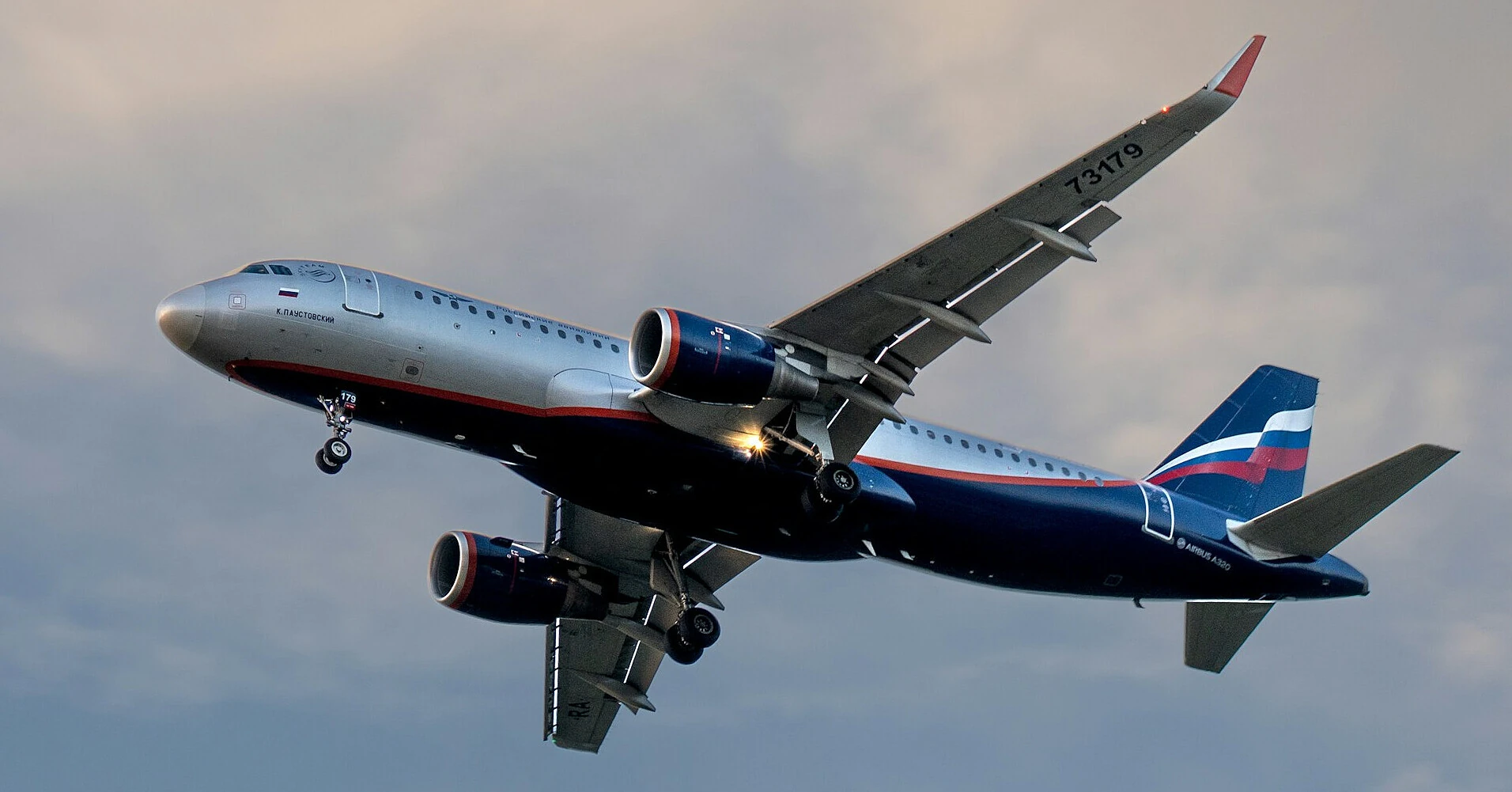
The Russian Ministry of Transport has prepared a draft resolution that will allow Russian airlines to continue using Boeing, Airbus, and Embraer aircraft leased from foreign leasing companies and not returned after the start of the full-scale invasion of Ukraine for another two years. The special regime of operation of these aircraft is proposed to be extended until the end of 2028.
Russian media reported this on November 6 after reviewing the draft government resolution.
The new document provides for the extension of the special procedure in force since March 2022, which allows Russian carriers not to return aircraft to foreign owners, as well as to insure, maintain, and repair them according to Russian rules.
The changes are planned to be made to Russian government decree No. 412, adopted after the introduction of Western sanctions against the Russian aviation industry.
At that time, foreign leasing companies demanded the return of aircraft transferred to Russian carriers, and manufacturers and service companies stopped supplying spare parts and providing maintenance for aircraft in Russia.
In response, Moscow introduced a special regime that allowed airlines to continue using leased aircraft contrary to the requirements of foreign owners.
Initially, these rules were to be in effect until the end of 2024. Later they were extended until 2026, and now the Russian authorities are preparing another extension— for two more years.
In an explanatory note, the Russian Ministry of Transport justified the need for such a decision by "protecting the rights of legal entities in connection with the actions of unfriendly countries".
At the same time, the document has not yet come into force. According to Vedomosti, the Russian Association of Air Transport Operators has already received the draft and sent it to airlines for review. Comments and proposals from carriers are expected by November 17.
About half of leasing issues remain unresolved
According to analytics company Cirium, as of February 2022, Russian airlines were operating 515 aircraft leased from foreign companies. Their total value was estimated at about US$10 billion.
After the introduction of sanctions, some of these aircraft were detained abroad, some were returned to owners or bought out.
In total, 407 such aircraft remained in Russia. According to Vedomosti, Russian carriers have managed to settle claims of foreign lessors for about half of them— 202 aircraft.
Thus, the issue of ownership and further use of a significant part of the foreign fleet remains unresolved.
In particular, the Aeroflot group, which also includes Pobeda and Rossiya airlines, reported insurance settlement of claims for 131 aircraft. The company continues to work on other aircraft.
S7 Airlines, in turn, has settled questions regarding more than 50 aircraft, but has not completed this process either.
Meanwhile, foreign lessors consider contracts terminated after the imposition of sanctions to be ended. The Russian operating rules themselves do not cancel the claims of foreign owners.
Foreign aircraft remain the backbone of Russian civil aviation
Back in late 2025, the Russian Association of Air Transport Operators appealed to the Russian Ministry of Finance and Ministry of Transport with a request to extend the special regime.
Carriers emphasized that Airbus, Boeing, and Embraer aircraft remain the backbone of their passenger fleet, and losing the ability to operate these aircraft would significantly limit the transport capabilities of the industry.
At the same time, extending the Russian legal regime does not solve the problem of access to certified maintenance, original spare parts, and support from Western aircraft manufacturers.
Earlier, Kurs Ukrainy reported that, according to Bloomberg, in 2025 at least 30 companies supplied aircraft spare parts to Russia bypassing Western sanctions. The supplies were made through intermediaries in third countries, including Turkey, India, and the United Arab Emirates.
Thus, the extension of the special regime proposed by the Ministry of Transport will give Russian carriers the opportunity to continue using foreign aircraft within the framework of Russian legislation, but will not eliminate problems with international leasing obligations and sanctions restrictions.
