
India has expressed readiness to act as a mediator in restoring food corridors in the Black Sea, whose operation is limited due to Russian attacks. Ukraine is counting on diplomatic support from New Delhi in resuming safe maritime exports of agricultural products.
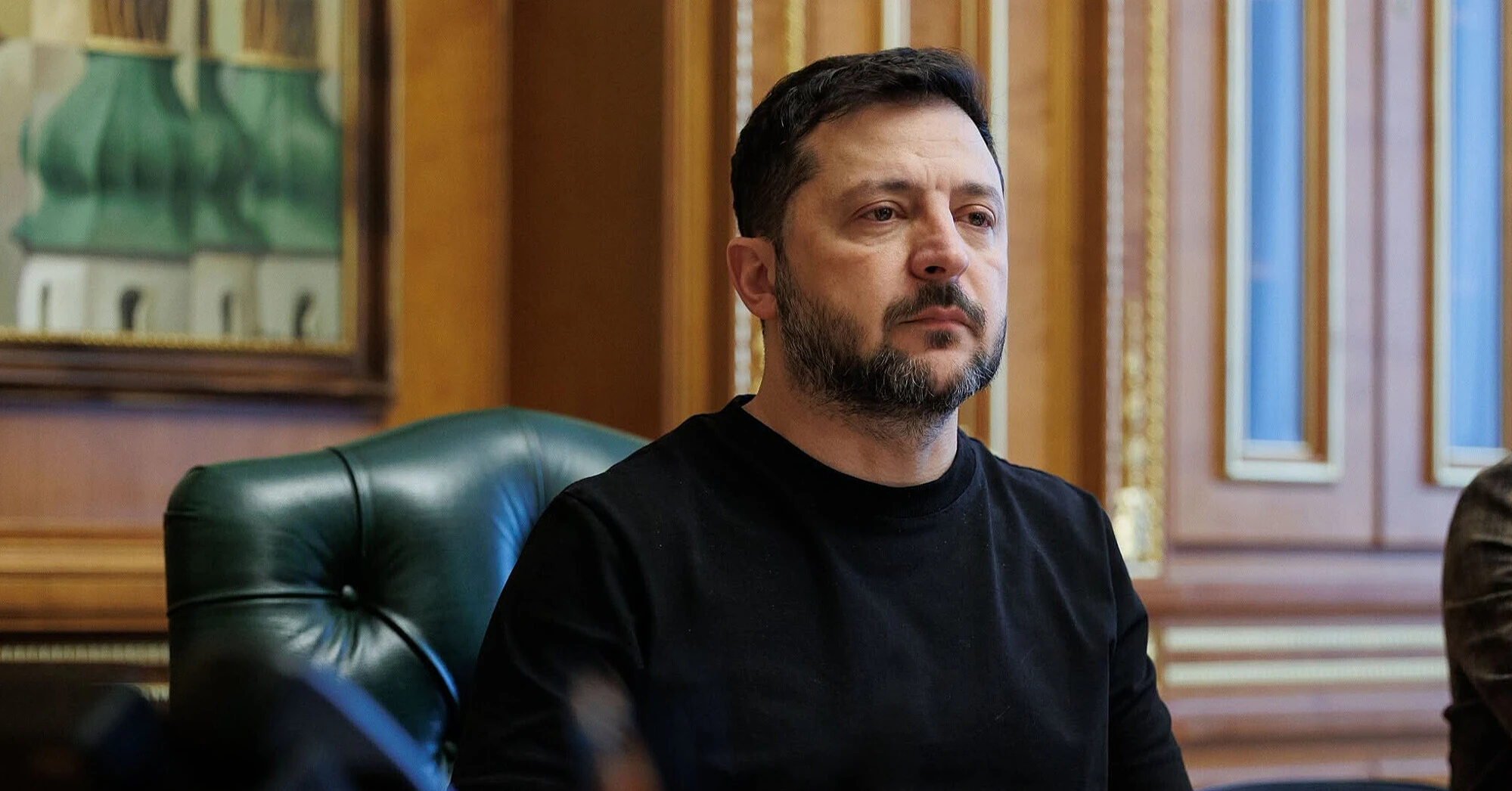
President of Ukraine Volodymyr Zelensky reported this on November 9 after a telephone conversation with Prime Minister of India Narendra Modi. The leaders discussed the situation in the Black Sea, food security, and diplomatic efforts to end the war.
According to Zelensky, one of the areas where India can contribute to a settlement is the restoration of Ukrainian grain exports.
“We discussed how Russia is blocking grain exports in the Black Sea. India is ready to mediate in establishing food corridors, and we look forward to continued efforts in this direction,” the Ukrainian president said.
Zelensky stressed that restrictions on maritime shipping affect not only Ukrainian producers and exporters but also the international food market. According to him, the blocked sea routes harm the economy of Russia itself and hundreds of millions of people in various countries.
The president also noted that Modi has repeatedly called for an end to the war, including in communications with the Russian leadership. Kyiv expects that India will be able to use diplomatic contacts with other states to promote a peaceful settlement.
“It is important for India to find what steps and dialogue with other leaders it can use to help bring the war closer to an end,” Zelensky noted.
The official statement by the Government of India confirms the telephone conversation between the two leaders. New Delhi stated that Modi reaffirmed India’s position on the need to resolve the conflict through dialogue and diplomacy, as well as readiness to contribute to efforts for a peaceful settlement.
At the same time, the Indian side did not separately specify the conditions for possible mediation on the grain export issue. The concrete mechanism for organizing food corridors, guarantees of shipping safety, and the timeframe for possible agreements have not yet been announced.
Ukraine prepares for talks in Abu Dhabi
A separate topic of the conversation between Zelensky and Modi was preparation for trilateral talks between Ukraine, the United States, and Russia scheduled for November 10–11 in Abu Dhabi.
The Ukrainian president briefed the Indian prime minister on the current diplomatic situation and Kyiv's preparations to discuss agenda items. Zelensky emphasized that Ukraine takes a constructive approach but expects a similar readiness for de-escalation from the Russian side.
Maritime security is already among the topics Ukraine intends to discuss at the negotiations. Kyiv is interested in ending attacks on maritime logistics, restoring stable supplies of agricultural products, and ensuring the safety of civilian vessels.
Following the telephone conversation, Zelensky and Modi agreed to continue contacts at the level of their teams on food security, diplomatic settlement, and bilateral cooperation.
Export restrictions create risks for Ukrainian farmers
The issue of safe shipping has gained particular importance amid restrictions on the operation of Ukrainian Black Sea ports. Russian strikes on port and transport infrastructure hinder grain exports, increase logistical risks, and limit the ability of agricultural enterprises to sell their produce.
According to estimates by the USDA/FAS office, ending stocks of major grain crops in Ukraine in the 2026/2027 marketing year could reach a record 36.1 million tons. This is more than four times the previous season’s indicator.
American analysts attribute the possible accumulation of grain primarily to export restrictions caused by deteriorating security in the Black Sea and disruptions in maritime shipping.
A particularly significant reduction is forecast for corn. Its exports in the current marketing year could decrease from 22.2 million to 10.2 million tons, or by about 54%. Wheat shipments, according to the forecast, could fall from 14.1 million to 8.7 million tons.
At the same time, export activity has not completely stopped. According to S&P Global, in October Ukraine supplied Egypt with 269.1 thousand tons of wheat, up from 136.9 thousand tons in September. However, exports of Ukrainian corn to the Egyptian market were absent due to logistical restrictions in the Black Sea.
Thus, restoring stable maritime traffic is directly important for the volume of Ukrainian exports, producers' incomes, and storage capacities for the new harvest.
Previous grain initiative ceased operations in 2023
In July 2022, with the mediation of Turkey and the UN, the Black Sea Grain Initiative was concluded, which ensured the export of Ukrainian agricultural products through the ports of Odesa, Chornomorsk, and Yuzhny.
According to the United Nations, during the agreement's operation, nearly 33 million tons of grain and other food commodities were exported from Ukraine to 45 countries. The mechanism provided for agreed procedures for the passage of commercial vessels and their inspection.
In July 2023, Russia refused to extend its participation in the initiative, after which the agreement ceased. Ukraine subsequently organized its own maritime export route, but Russian attacks continue to pose threats to port infrastructure and commercial shipping.
Current diplomatic efforts are aimed at finding new agreements that would ensure the stability of maritime supplies. India's readiness to facilitate this process, as reported by Zelensky, does not yet mean the conclusion of an agreement to resume full operation of the grain corridors.
