
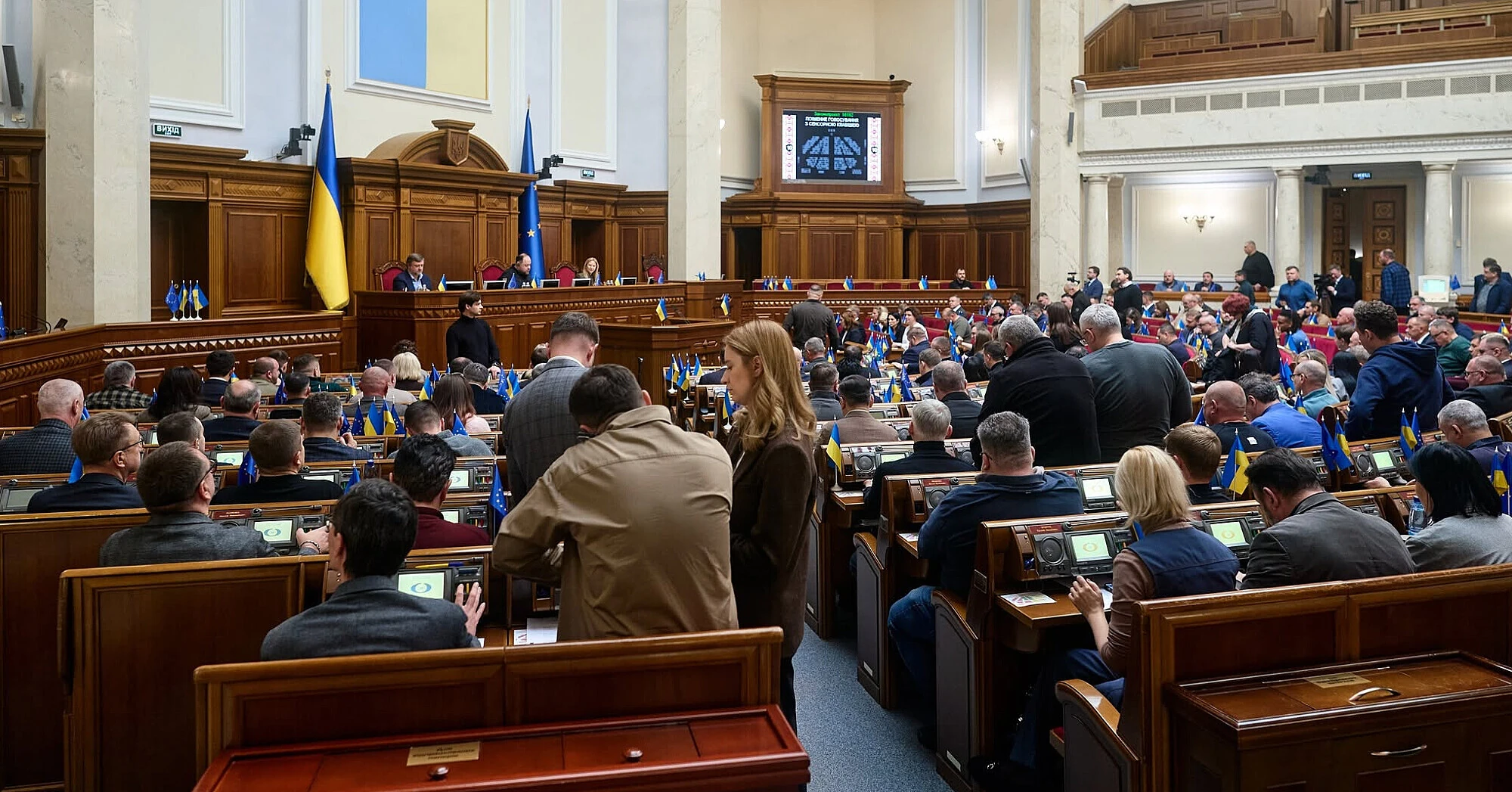
On Tuesday, November 10, the Verkhovna Rada of Ukraine supported in the first reading two bills necessary for the country's accession to the Single Euro Payments Area (SEPA). They provide for bringing Ukrainian legislation into line with the requirements of the European Union and the European Payments Council.
The results of the vote were reported by the Verkhovna Rada.
249 MPs voted for bill No. 14327-d. Another document - No. 15503 - was supported by 258 parliamentarians. Both bills were adopted as a basis, and now they will be prepared for the second reading.
The main bill No. 14327-d provides for comprehensive changes in the field of financial monitoring, combating money laundering, and ensuring transparency of financial transactions.
In particular, the document provides for the creation of a centralized Register of accounts and individual bank safes of individuals. It is planned to enter information about bank and payment accounts, electronic wallets, securities accounts, and bank safe rental agreements.
At the same time, the register will not contain information about account balances, transfer history, or the contents of bank safes. It will store identification data of owners, account numbers, information about banks and other financial institutions, as well as information about the opening and closing of accounts.
According to the finalized text of the bill, special access to such information within the defined powers will be able to receive authorized bodies, including NABU, BEB, NACP, ARMA, SBU, National Police, and the prosecutor's office. The register data will not be subject to public disclosure.
Another direction of the reform is strengthening control over the transparency of company ownership. The bill clarifies requirements for disclosure of information about ultimate beneficial owners and provides for the creation of a separate register of beneficiaries of trusts and other similar legal formations.
It is also proposed to expand the protection of employees who report possible violations of legislation in the field of combating money laundering, and to establish additional requirements for financial institutions.
The second bill No. 15503 provides for amendments to the Civil Code of Ukraine to harmonize national legislation with EU legal acts and the criteria of the European Payments Council. It is part of the legislative preparation for Ukraine's accession to SEPA.
Bill No. 15503 provides for specific changes to Articles 94, 277, and 280 of the Civil Code of Ukraine. They concern the protection of personal non-property rights of citizens and legal entities in cases of reporting possible violations of legislation on combating money laundering, terrorist financing, and the proliferation of weapons of mass destruction.
In particular, the document expands the possibilities of protecting the rights of legal entities in case of dissemination of false information about their officials. Individuals whose non-property rights were violated as a result of public disclosure of information about possible violations in the field of financial monitoring will receive the right to reply provided by law.
At the same time, the bill provides for protection of whistleblowers who unintentionally reported or publicly disclosed false information about such violations. In these cases, property and moral damage will not be subject to compensation, although the false information itself may be subject to refutation. Thus, the changes are aimed at ensuring a balance between protecting the reputation of citizens and companies and the rights of persons who report possible financial offenses.
SEPA is a single European area for non-cash payments in euros. It allows making transfers between participating countries according to unified rules, simplifying international settlements for citizens and businesses.
For Ukrainians, joining SEPA should create the opportunity to transfer euros between Ukrainian and European banks faster and with lower costs. This especially concerns citizens who work or live abroad, as well as companies conducting settlements with European partners.
At the same time, today's vote does not mean that Ukraine has already become a SEPA participant or that bank fees will immediately decrease. For this, it is necessary to finally adopt legislative changes, meet the relevant criteria, and pass the procedure for joining the system.
As follows from the text of bill No. 14327-d, the main part of its provisions, in case of final adoption, will come into force six months after the official publication of the law. For certain norms, other terms are provided, in particular related to the launch of new state registers.
Earlier, "Kurs Ukrainy" reported that the delay in passing legislation could jeopardize Ukraine's accession to SEPA under current rules. The reason was disputes over access of law enforcement agencies to banking information.
New EU requirements in the field of combating money laundering will start applying from July 2027. Therefore, the further progress of the bills in parliament matters for the timing of preparation of Ukraine's application for accession to SEPA.
Based on materials: Verkhovna Rada of Ukraine, bill No. 14327-d, bill No. 15503
