
Unexpected Connection: How a Prebiotic Gut Supplement Helps Relieve Knee Osteoarthritis Pain
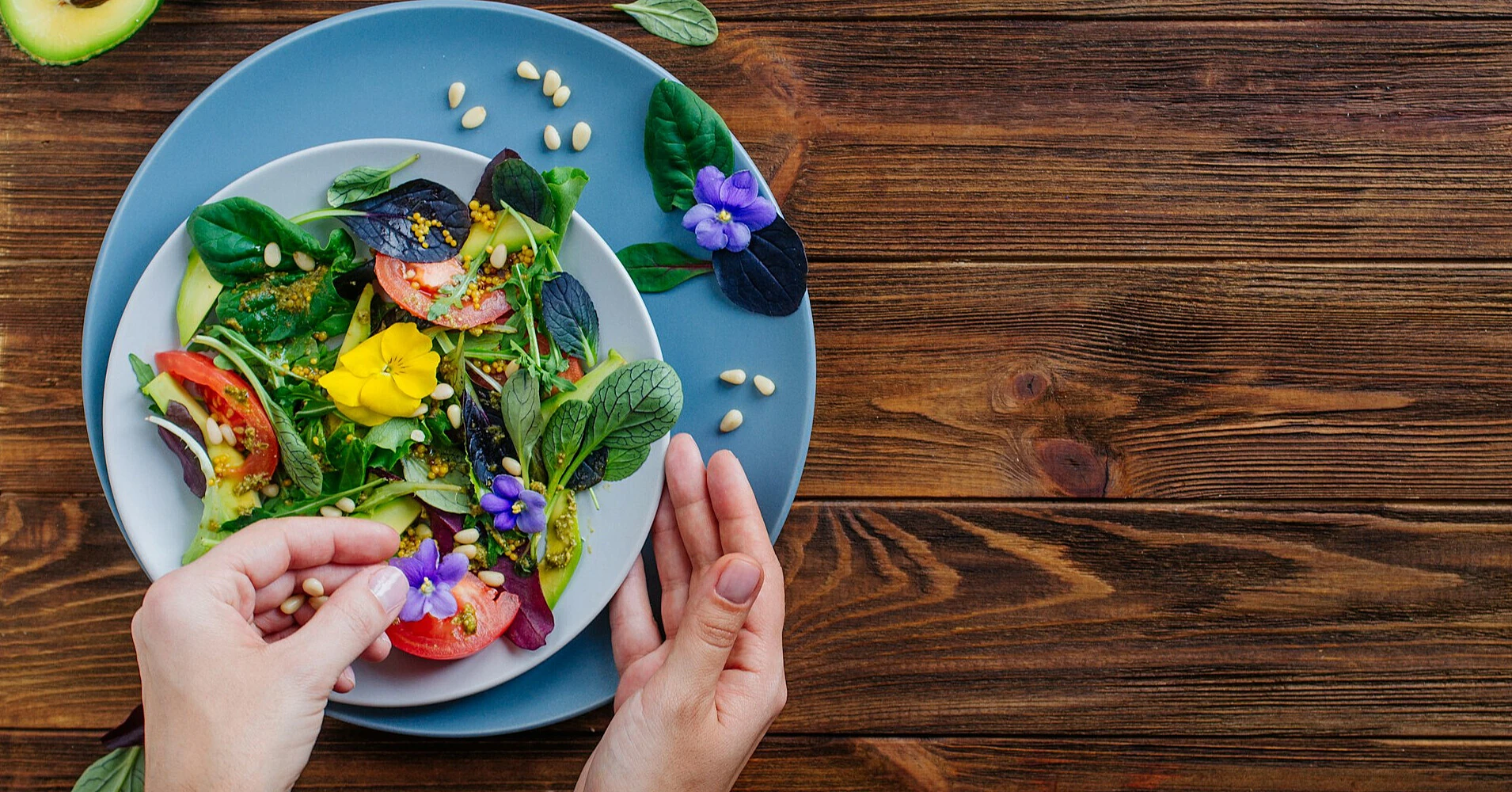
Knee osteoarthritis pain is a debilitating problem for millions of elderly people. However, new research has shown that relief can come from an entirely unexpected source. It turns out that consuming prebiotic fiber can not only reduce knee pain but also increase muscle strength by influencing the mysterious 'gut–muscle–pain' axis.
Key findings about the INSPIRE study:
- Participants: 117 adults (mean age 67.5 years, BMI 29.5), average baseline pain level — approximately 4 out of 10.
- Essence: Participants were divided into 4 groups. For 6 weeks, they received either 20 g of inulin per day, a digital exercise programme via the Joint Academy™ app, a combination of the two, or a placebo (maltodextrin).
- Outcome: Inulin reduced pain by 1.11 points, which is comparable with the effect of exercise (1.5 points). However, only fiber additionally improved grip strength and reduced central nervous system sensitivity to pain.
What does the gut have to do with it and how does fiber 'relieve pain'?
Inulin is a soluble prebiotic fiber that occurs naturally in chicory root, Jerusalem artichoke and other plants. The human body cannot digest it, so it passes unchanged to the large intestine, where it becomes food for bacteria. During fermentation, the microbiota releases short-chain fatty acids — particularly butyrate.
Scientists at the University of Nottingham discovered that in patients who took inulin the levels of butyrate increased significantly, along with glucagon-like peptide-1 (GLP-1) – an intestinal hormone involved not only in metabolism but also in influencing pain receptors. As the study's senior author, Professor Ana Valdes, notes, inulin acts systemically, reducing markers of central sensitization (the brain's sensitivity to pain signals). And the increase in GLP-1 was directly associated with improved muscle function.
Supplement or exercise: which is better?
Curiously, the two treatment approaches target different mechanisms. Physiotherapy excellently improves biomechanics — walking speed and the ability to stand up easily from a chair. However, exercises have a significant drawback — people find it hard to perform them regularly.
During the experiment, 21% of the participants dropped out of the exercise program. By contrast, in the inulin group only 3.6% of the volunteers left the study. As the study's lead author Dr Afroditi Kouraki emphasizes, adding a portion of fiber to one's morning yogurt turned out to be far simpler and more comfortable for most people than sticking to daily physical exercises. It is important to note that combining the two methods did not produce a remarkable synergistic effect (they did not enhance one another).
Should we buy out all inulin in pharmacies?
This research, published in the medical journal Nutrients and funded by the Medical Research Council (MRC) and Arthritis UK, opens a promising direction. However, experts caution against jumping to conclusions.
First, 20 grams of inulin per day is quite a high dose. An unaccustomed digestive system may react with bloating and flatulence; therefore, individuals with gastrointestinal conditions should consult a doctor. Secondly, the experiment lasted only six weeks, and it remains unclear how long the improvements persist.
Inulin will not restore damaged cartilage nor replace a rheumatologist's prescription. Nevertheless, this study demonstrates that looking after the gut microbiota could be an accessible, safe, and simple way to take chronic pain under control and improve quality of life in old age.
Source materials: University of Nottingham, ScienceDaily, journal Nutrients, Vitafoods Insights
