
IDPs will be allowed to combine housing vouchers with loans – deputies voted for the bill
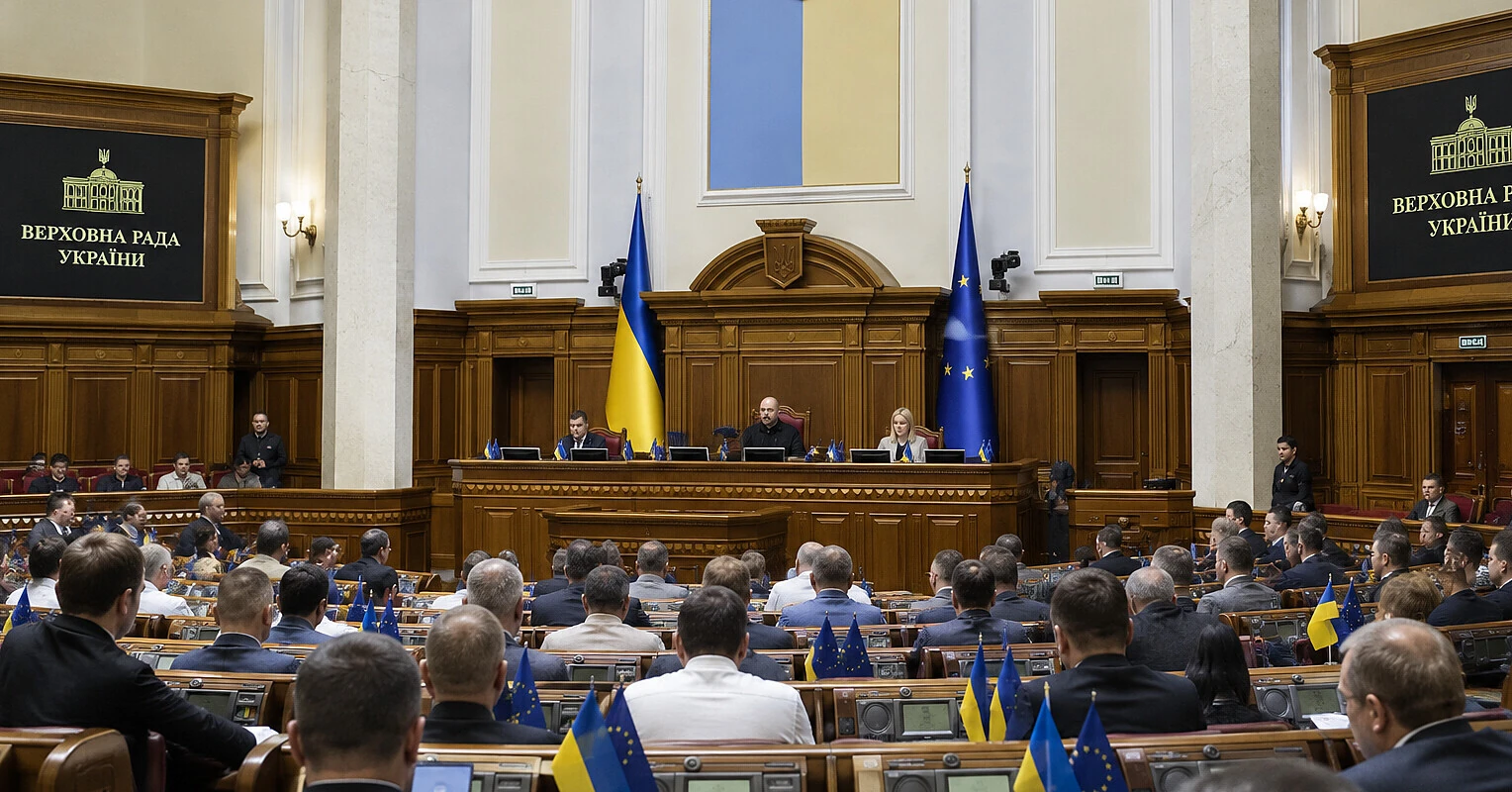
The Verkhovna Rada supported in the first reading bill No. 15335, which will allow internally displaced persons to combine housing vouchers with credit funds for the purchase or construction of housing. 278 people's deputies voted for the corresponding decision.
It concerns IDPs who are entitled to housing vouchers under the state program for providing housing. The amendments are intended to eliminate legislative obstacles that arise when part of the cost of an apartment or house is covered by the state with a voucher, while the rest of the amount the person plans to finance through a loan.
The bill provides that housing purchased or built using simultaneously a housing voucher and credit funds can be transferred to the bank as a mortgage.
Thus, if the value of the housing voucher is insufficient to purchase the selected property, the IDP will be able to take out a loan and use the purchased housing as collateral for it.
Restrictions will be established for housing
At the same time, the bill provides for special restrictions on such property. A prohibition on alienation, as well as on subsequent mortgage, will be imposed on housing purchased with the use of a state voucher.
The corresponding encumbrance of property rights must be registered in the state registry. Notaries will receive a mechanism for formalizing such restrictions when purchasing housing.
The authors of the bill explain that the amendments should simultaneously open up lending opportunities for IDPs and protect the interests of the state and banks that will co-finance the purchase of housing.
Bill No. 15335 has been adopted only in the first reading so far. Before entering into force, it must still be finalized, adopted as a whole and sent for signature to the president.
Based on materials from: Verkhovna Rada of Ukraine, Committee of the Verkhovna Rada on Legal Policy
