
Europe Faces a Shortage of Launch Vehicles Due to Its Dependence on SpaceX
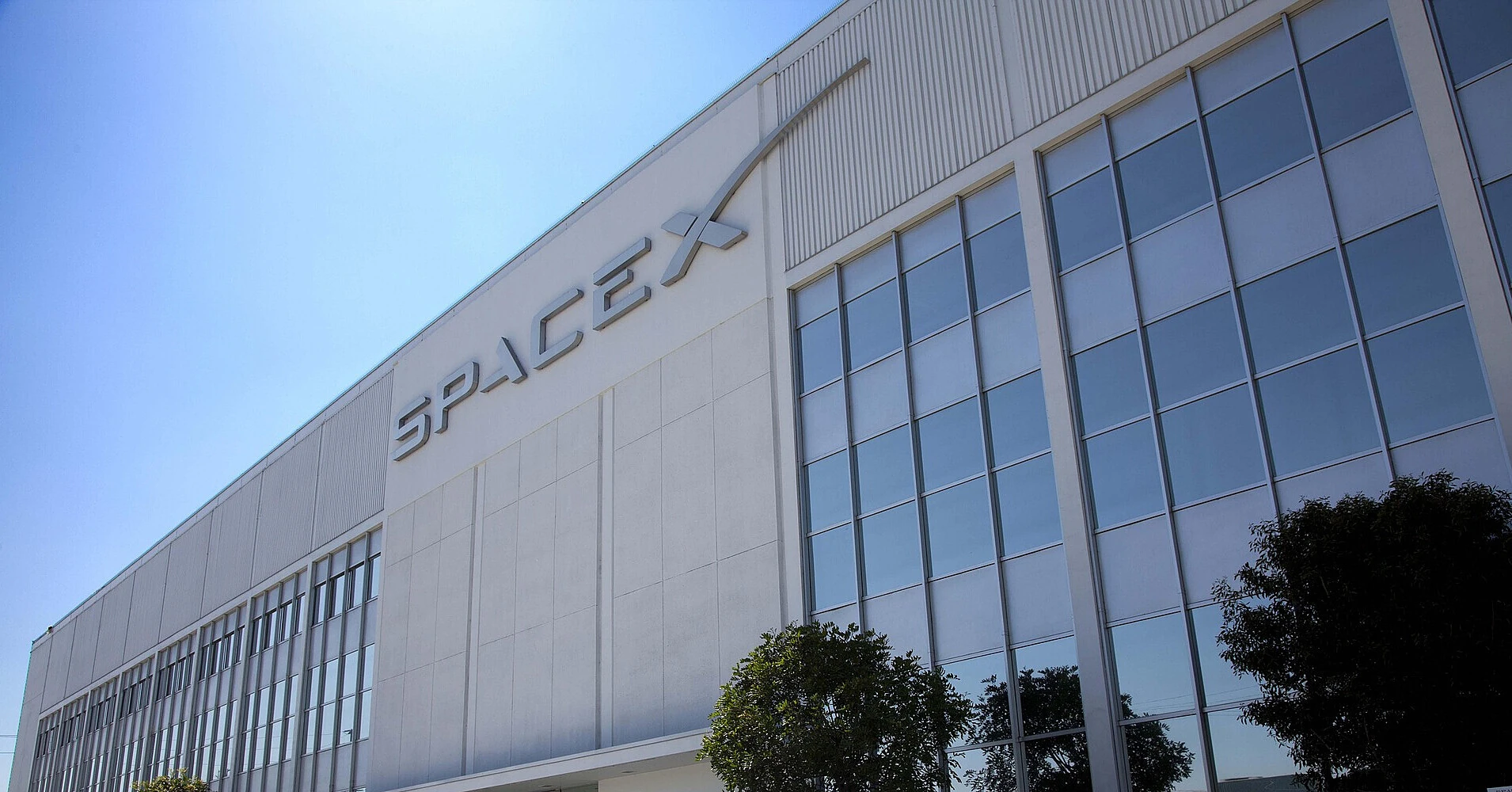
The European space industry has faced the threat of a shortage of launch vehicles after SpaceX began scaling back commercial sales of Falcon 9 launches for the period after 2028. Europe's Ariane 6 and Vega C are not yet able to fully replace the American rocket amid the rapid growth in demand for putting satellites into orbit.
This was reported by Le Monde.
According to the publication, SpaceX has stopped offering new Falcon 9 flights for the period after 2028. The American company has not publicly explained this decision, but it coincided with the start of commercial operation of the heavy-lift rocket Starship, which is intended to gradually replace the Falcon 9 in the future.
The Falcon 9 has effectively become the main commercial means of delivering satellites into orbit. In 2025, the rocket made 165 launches—an average of almost one every two days. Of these, 120 launches were fully or partially used to deploy Starlink satellites, but the remaining capacity was sufficient for a large number of external customers.
The high launch frequency and the cost of SpaceX's services have led to satellite operators not only in Europe but also in the US becoming dependent on the Falcon 9.
For Europe, the problem is particularly sensitive due to the limited capabilities of its own rockets. Ariane 6, whose first launch took place only in 2024 after years of delays, made four flights in 2025. It is expected to reach full production capacity of nine to ten launches per year at best in 2027.
At the same time, a significant portion of future slots on Ariane 6 is already booked. In September, Amazon Leo ordered six more launches of the European rocket, bringing the total number of planned missions to 24. Arianespace simultaneously signed a number of other new contracts with European and international clients.
Another European launcher, Vega C, also has limited throughput. In 2025, it made four launches, and in the future it is planned to be brought to about nine flights per year.
Against this backdrop, the Director General of the European Space Agency, Josef Aschbacher, has previously warned that by around 2030 Europe may face a shortage of available launch vehicles. According to him, decisions on expanding production capacity need to be made now.
European startups are simultaneously trying to create an alternative to the major operators. One of the most advanced projects is the German company Isar Aerospace: its Spectrum rocket successfully reached orbit for the first time in September. However, it is capable of placing about one tonne of payload into low Earth orbit, while the payload capacity of the Falcon 9 and Ariane 6 exceeds 20 tonnes depending on configuration and orbit.
The problem is not limited to Europe. As previously reported by The Wall Street Journal, the reduction in Falcon 9 availability has forced satellite companies to seek alternative rockets as they plan to put thousands of new satellites into orbit by the end of the decade.
Thus, SpaceX's transition from Falcon 9 to Starship is happening at a time when global launch demand is growing rapidly, and competitors do not yet have comparable free capacity in terms of scale.
