
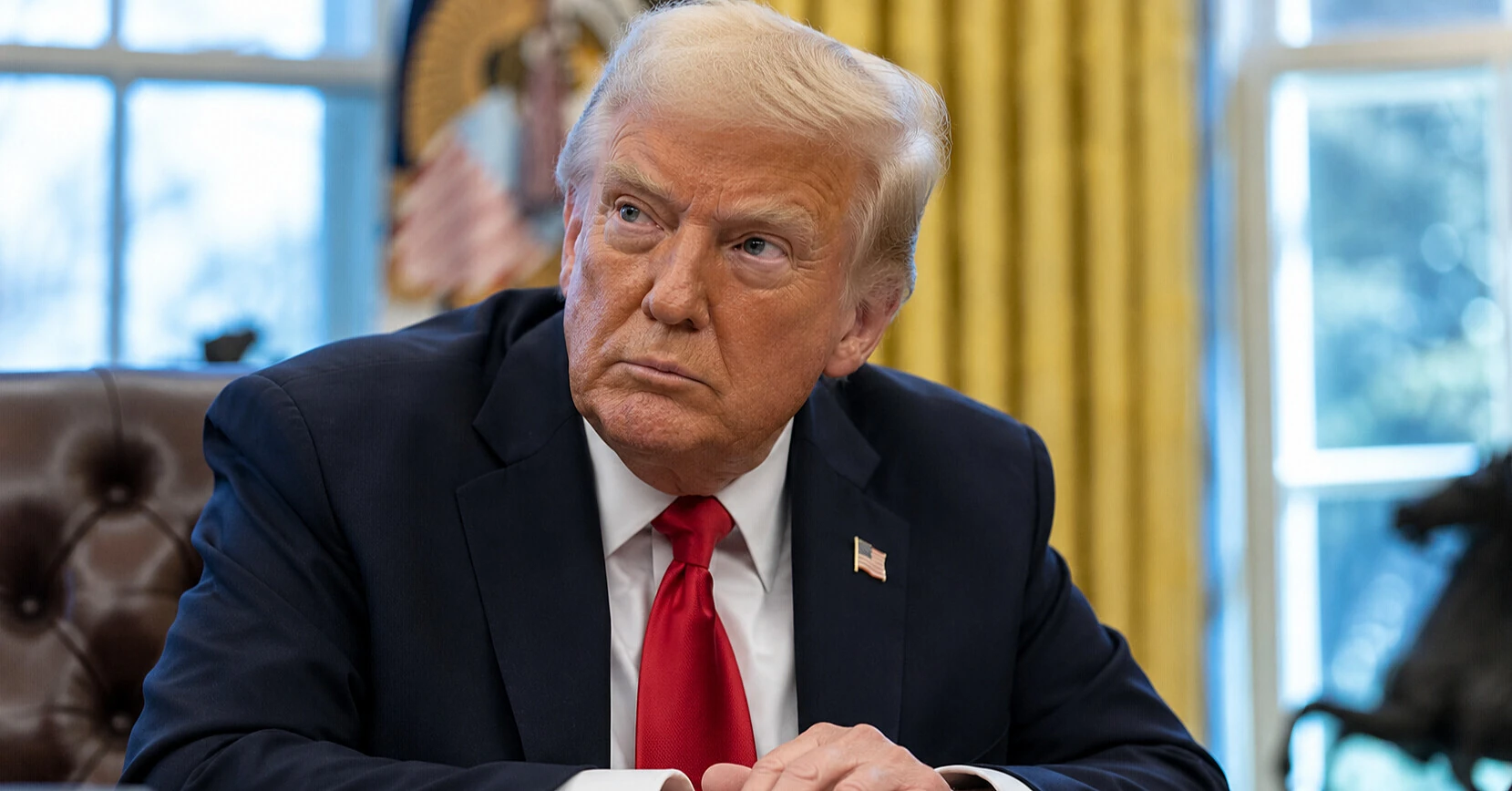
The administration of US President Donald Trump is trying to persuade American companies to accept shipments of Russian diesel fuel that are already heading across the Atlantic. However, potential buyers are refusing deals even with significant discounts, fearing violations of sanctions legislation and subsequent investigations.
The Washington Sun reported this on October 29, citing energy industry representatives, market participants, and analysts familiar with the negotiations.
According to the publication's sources, representatives of Washington and Moscow are actively seeking buyers for Russian fuel, but so far they are facing resistance from American business. Some shipments are offered at significant discounts, but even this does not help to conclude contracts.
Several sources confirmed that at the time Russian petroleum products were loaded onto tankers, their commercial owners had no agreed buyers. Negotiations have been ongoing for several weeks.
The main reason for refusals is legal uncertainty. Although the Trump administration has authorized certain operations with Russian diesel, American companies fear that these deals could conflict with current federal laws.
In addition, businesses are considering the risk of investigations after the midterm congressional elections scheduled for November 3. Potential buyers do not rule out that their participation in trading Russian fuel could become the subject of scrutiny even after Trump's presidential term ends.
Uncertainty affects not only direct buyers, but also banks, insurers, port operators, and companies involved in the transportation of petroleum products. Market participants fear financial and reputational consequences of cooperation with Russian suppliers.
Meanwhile, at least three tankers with Russian diesel have already headed toward the United States. According to The Washington Sun, the ships could arrive off the American coast in the week after the elections, but the final ports of destination remain unknown.
One of the tankers, the Malta-flagged Agioi Fanendes, is carrying about 40,000 tons of low-sulfur diesel fuel. Initially, the vessel indicated the port of New York and New Jersey as its destination with an estimated arrival on November 7.
Later, the destination in the ship tracking system was changed to "for orders," meaning no final port of discharge was specified.
Analytical company Rapidan Energy Group suggests that the Russian cargo could ultimately be redirected to Brazil, which continues to purchase significant volumes of Russian petroleum products. Other energy market participants express similar expectations.
The situation is complicated by the stance of American politicians. According to the Financial Times, New Jersey Governor Mikie Sherrill is considering options to prevent the unloading of Russian diesel in the state's ports. So far, it has not been established whether the governor has the necessary legal authority.
Democratic Senator Richard Blumenthal sent letters to the owners of two tankers, Agioi Fanendes and PVT Azura, demanding they change routes and refuse to deliver Russian fuel to the US.
The senator asserts that importing Russian petroleum products violates the 2022 legislation banning such supplies. He also demanded disclosure of information about sellers, buyers, insurers, and port operators involved in organizing the shipments.
Previously, a group of US lawmakers demanded that major banks and ports preserve documents related to possible deals involving Russian diesel. These materials could be used in future congressional investigations.
The US Treasury Department rejects accusations of unlawfulness regarding the issued permits. A department representative told The Washington Sun that the actions of the Office of Foreign Assets Control (OFAC) are consistent with previously applied practice and current regulations.
On October 9, OFAC issued General License No. 135, authorizing certain operations related to the sale, transportation, unloading, and import of diesel fuel of Russian origin, including directly into the US. The authorization is valid until April 7, 2027.
US Energy Secretary Chris Wright explained the easing of restrictions as an effort to increase the supply of diesel fuel on the global market while creating economic incentives for Russia to return to negotiations on ending the war against Ukraine.
In Ukraine, the US administration's decision was criticized. People's Deputy Maryan Zablotsky told The Washington Sun that revenues from the sale of petroleum products could be directed to finance Russian military operations.
Former economic adviser to the President of Ukraine Oleg Ustenko also expressed hope that American companies and port operators would refuse to accept Russian fuel.
As Kurs.com.ua previously reported, Trump's agreement with Vladimir Putin on Russian diesel supplies has not yet led to a decrease in fuel prices in the United States. According to the American Automobile Association, diesel prices continued to rise after the agreement was announced.
Now the implementation of the agreement faces an additional problem: despite the permission of the US administration, American companies are not yet ready to accept Russian cargo. None of the discussed shipments had been confirmed as completed at the time of publication.
