
In October 2026, Ukraine imported 588 thousand tons of diesel fuel, exceeding the previous forecast by 38 thousand tons, or almost 7%. The increase in supplies helped ease tensions in the wholesale market and lower prices. However, in November and December, importers will need to ensure larger volumes of fuel under conditions of rising logistics costs.
On November 2, industry publication Enkorr reported this based on an analysis of the Ukrainian fuel market.
At the end of October, average daily diesel receipts increased to approximately 23 thousand tons. This was facilitated by the introduction of priority passage of fuel through the western border and the relatively stable operation of the shipping route through Sulina.
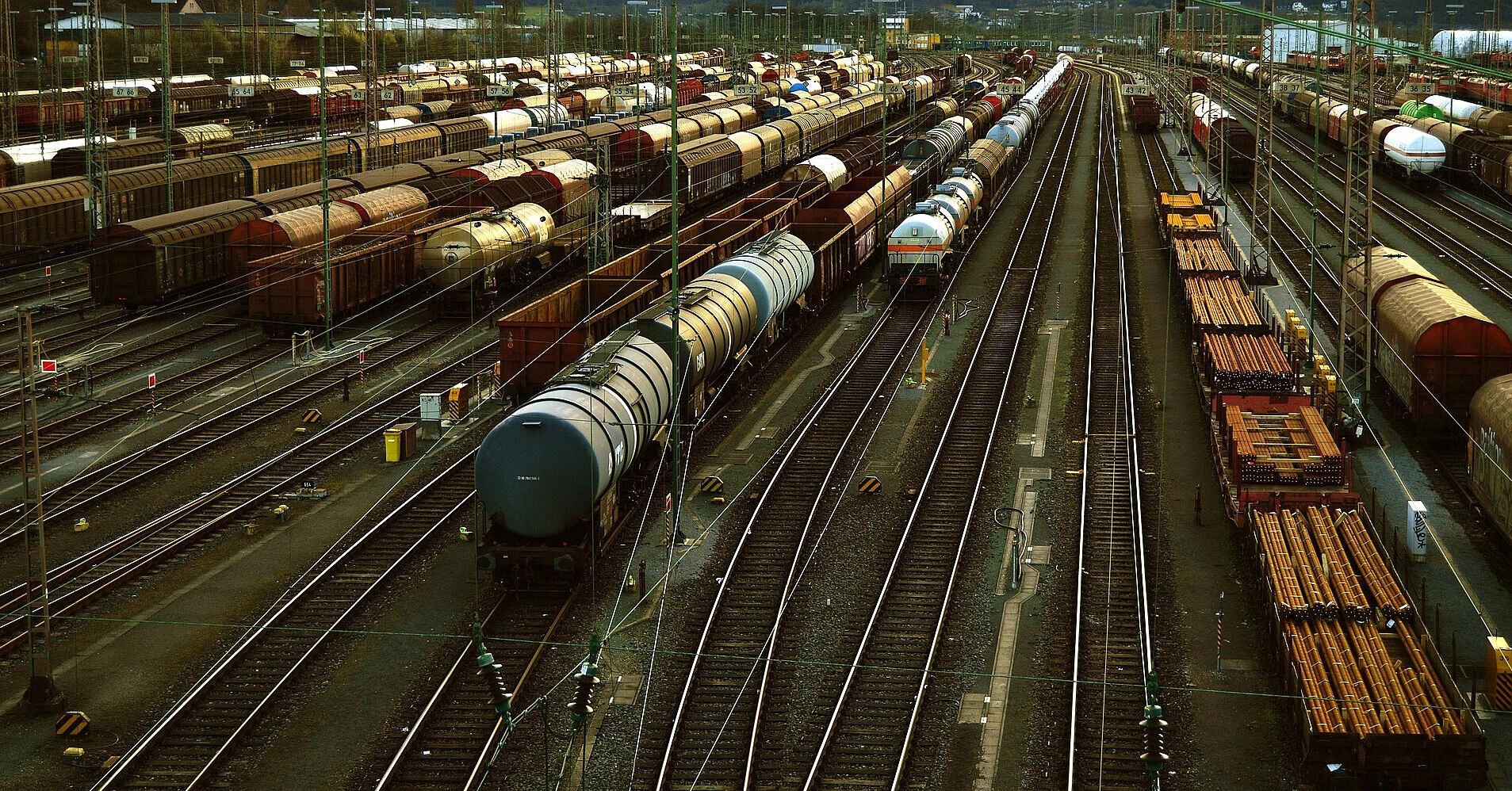
From October 22 to November 1, average daily imports amounted to 22.3 thousand tons, 32% more compared to the period October 1-21. The largest increase came from road transportation, which rose by 33% to over 4 thousand tons per day. Rail shipments grew by 27% to almost 12 thousand tons.
On the southern route, daily receipts increased by almost 60% to 5.4 thousand tons. However, transportation via the Danube remains limited due to low water levels.
The increase in supply has already affected wholesale prices. At the end of last week, large batches of diesel in southern Ukraine were offered for 97-97.15 UAH/l. In Lviv region, prices dropped to 98-98.90 UAH/l, and in Volyn - to 98.50-99.50 UAH/l.
The price decline was also supported by the situation on the European market. As of October 29, the average diesel fuel quotation was $1442 per ton, decreasing by $65 over five days. In conversion, this corresponds to approximately 2.95 UAH per liter.
However, experts warn that the current improvement does not guarantee stable market supply in the coming months. In November and December of last year, diesel imports exceeded October volumes by 23-41%. Additionally, power outages have already resumed in Ukraine, increasing fuel consumption by generators.
An additional risk is the rise in international transportation costs. In particular, diesel delivery from Greece is significantly more expensive than supplies from Lithuania. According to Enkorr estimates, freight alone costs $160-165 per ton, and premiums on Greek fuel are another $43-47 per ton. The combined surcharge exceeds $200 per ton, excluding additional insurance and transshipment.
In November, the cost of imported diesel may further increase due to the transition to winter fuel grades, higher supplier premiums, and sustained demand in the Mediterranean region.
At the same time, some major importers are already reporting a shortage of working capital. Significant amounts remain tied up in fuel batches currently in transit from foreign ports to the Ukrainian border. This limits companies' ability to promptly purchase additional volumes.
Thus, the October increase in imports provided temporary relief to the Ukrainian market, but ahead remains a period of heightened demand. Future dynamics of prices at gas stations will depend on the cost of new batches, importers' ability to increase supplies, and the situation on the European market. Current data do not give grounds to assert that retail diesel will necessarily become more expensive.
