
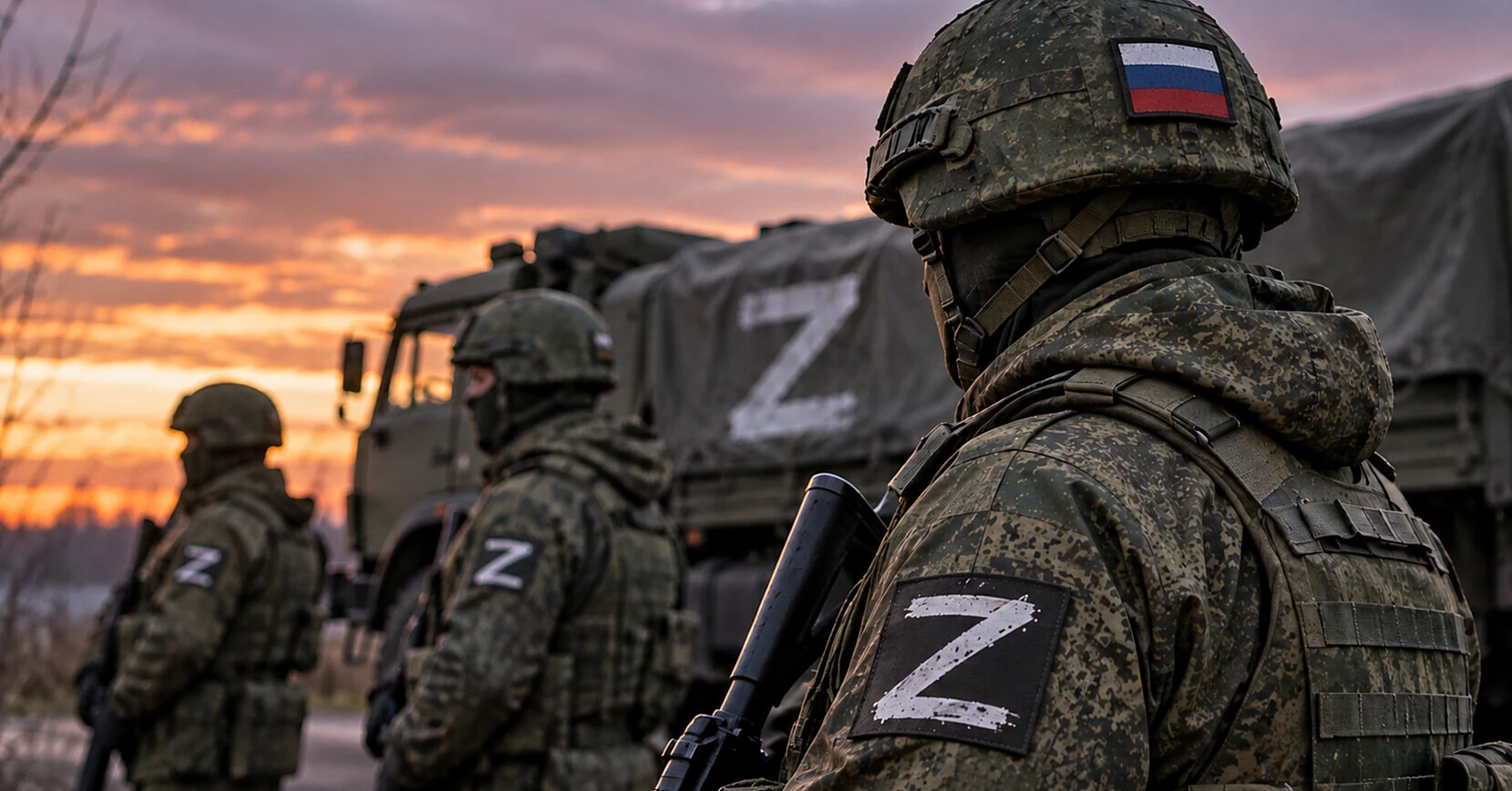
The Russian Ministry of Defense has proposed postponing the December salary payments for some military personnel to January of the following year. The change to the current procedure is being considered against the backdrop of a growing federal budget deficit and increased spending on the war against Ukraine.
This was reported on November 2 by Bloomberg, citing a draft order from the Russian Ministry of Defense. Earlier, on October 30, the independent publication Verstka drew attention to the document.
According to the proposed changes, the December 2026 pay for military personnel should be transferred from January 11 to January 21, 2027. Currently, Russian military personnel receive payments for the previous month from the 10th to the 20th, but a special rule applies for December: the money must arrive no later than December 25.
If the draft is approved, Russian military personnel will for the first time in at least 18 years not receive their December pay before the New Year. The current early payment rule for the last month of the year has been in place since 2008.
An exception is provided for military personnel of the combined group of Russian forces participating in combat operations against Ukraine. For them, the previous deadlines will remain: December pay must be transferred by December 25.
Thus, the proposed changes will primarily affect military personnel who are not part of the force group conducting combat operations in Ukraine.
The draft also contains provisions on bonuses for contract military personnel. However, the procedure for paying December bonuses after the postponement of the main pay requires additional clarification.
The proposal has not yet been approved. Public discussion of the document will last until November 13, after which the Russian Ministry of Defense will be able to make a final decision. If the changes are approved in the current version, they could take effect as early as December 2026.
Bloomberg links the discussion of new payment dates to the deterioration of Russian public finances. Postponing the December pay to January would allow the corresponding expenses to be allocated to the next budget year and reduce pressure on the treasury at the end of 2026.
However, the draft order itself does not disclose the reasons for changing the payment schedule. Therefore, a direct connection between the initiative and the budget deficit remains an assessment rather than an officially stated reason for the decision.
The Russian government has already significantly increased the forecast for the federal budget deficit for 2026. In September, the Russian Ministry of Finance raised it to 7.345 trillion rubles, or 3.2% of GDP. Initially, the deficit was expected to be 3.786 trillion rubles, or 1.6% of GDP.
Total federal budget expenditures this year, according to Russian authorities' estimates, could reach about 48.5 trillion rubles, significantly exceeding the original plan.
One of the main reasons for the increase in budget spending remains the financing of the war against Ukraine. Russia continues to allocate a significant portion of state resources to maintaining the army, purchasing weapons, and supporting the defense industry.
The draft federal budget of the Russian Federation for 2027 provides for about 17.1 trillion rubles in spending under the "National Defense" item. This is significantly more than the amount originally planned for defense in 2026.
Russian budget documents also provide for high defense spending in subsequent years: approximately 16.6 trillion rubles in 2028 and 16.3 trillion rubles in 2029.
According to explanatory materials to the budget draft, military pay over the next three years will account for between 9% and 10.4% of national defense spending.
An additional burden on the budget is created by the increase in the size of the Russian army. In September, Russian authorities approved a new authorized strength of the Armed Forces — about 2.44 million people, including more than 1.55 million military personnel.
The growth in spending occurs simultaneously with the need to increase government borrowing and seek additional sources of revenue. Russian authorities have already proposed a number of tax changes aimed at funding the budget in 2027–2029.
Against this backdrop, postponing December payments makes it possible to redistribute part of the spending between financial years without formally reducing the amount of military pay.
At the same time, the final financial effect of such a decision is still unknown. The Russian Ministry of Defense has not released an estimate of the amount of payments that could be postponed to January 2027.
