
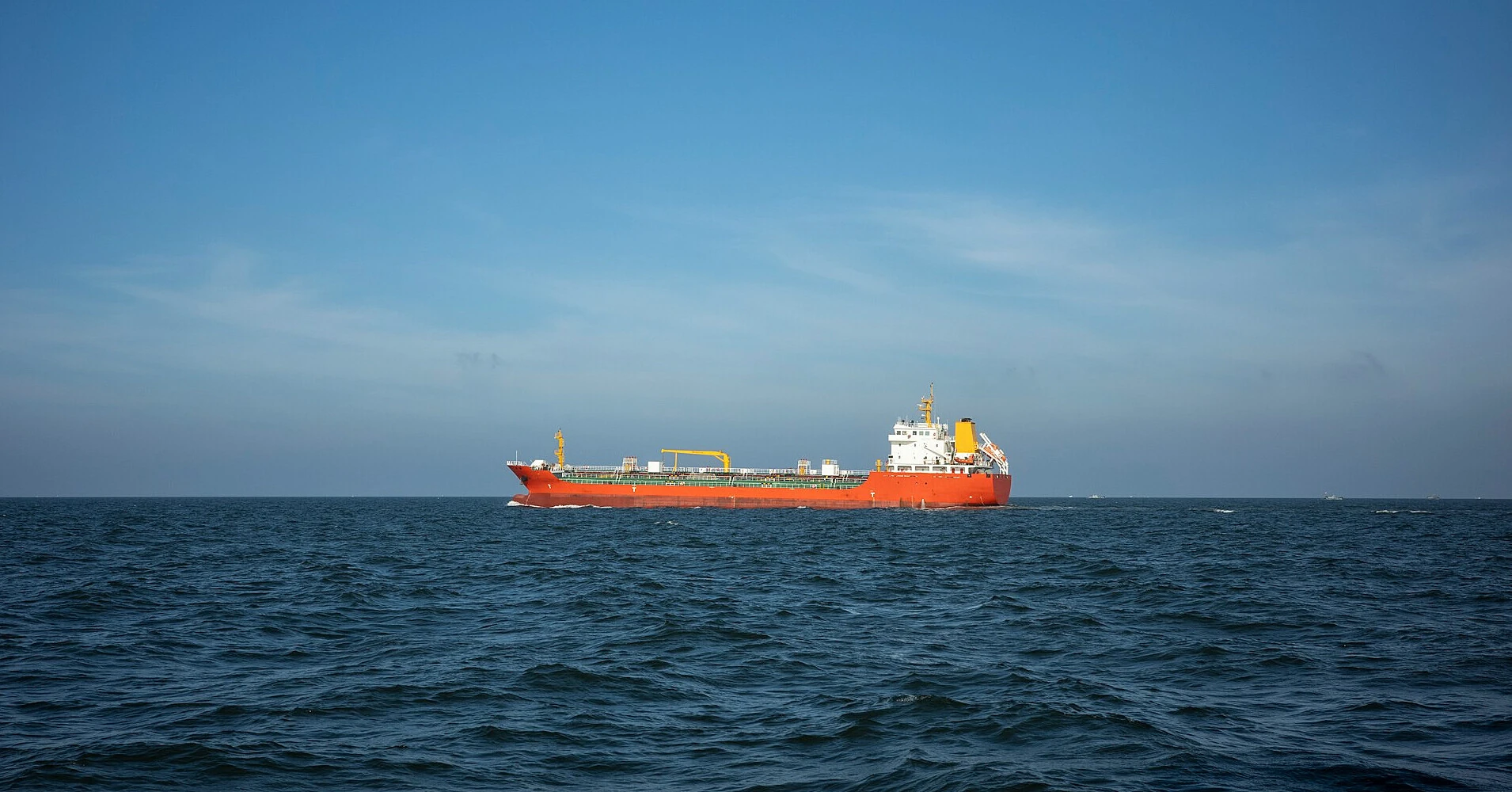
Supplies of Russian diesel fuel to the United States after Donald Trump's agreement with Vladimir Putin have faced new obstacles. Two of the three tankers that had previously been heading for the American coast have changed their declared routes. Meanwhile, US stocks of diesel and other distillate fuel have fallen to their lowest level in more than 20 years.
The route changes were reported by the Financial Times on November 5. Earlier, similar changes were recorded by the maritime analytics company Windward, which studied vessel movements using maritime transport monitoring systems.
The tanker Leruo changed its declared destination to Brazil, while Talisman, instead of continuing across the Atlantic Ocean, entered the Mediterranean Sea. Both vessels are under Western sanctions. The third tanker, Agioi Fanendes, is continuing towards the American coast but no longer lists New York as a confirmed port of discharge.
According to Windward, the route changes became noticeable as early as early November. The company notes that the sanctions status of some vessels creates risks not only for their owners but also for fuel buyers, port operators and companies providing transportation.
The first shipments of Russian diesel to the US were being prepared back in October. As previously reported by "Kurs Ukrainy", on October 21, Russian Deputy Prime Minister Alexander Novak announced the dispatch of the first tanker with approximately 40 thousand tons of fuel.
Already on October 23 it became known that the tanker Agioi Fanendes loaded in the Russian port of Primorsk and headed for New York. Its arrival was expected on November 7.
Subsequently, the number of vessels that declared US ports as destinations increased. On October 27, "Kurs Ukrainy" reported on three tankers – Agioi Fanendes, Talisman and Leruo – with a total cargo of about 140 thousand tons of Russian diesel. Thus, the current route changes concern exactly the vessels reported earlier, not a new group of carriers.
Legal obstacles arose after the Trump administration decided to temporarily allow operations with Russian diesel. On October 9, the US Treasury Department issued General License No. 135, which permits certain operations involving the sale, transportation, unloading and import of this fuel.
However, some American politicians questioned the legality of such supplies. On October 27, Democratic Senator Richard Blumenthal urged shipping companies to turn the tankers around and refuse to deliver Russian diesel to the US.
On November 2, New Jersey Governor Mikie Sherrill also warned port and terminal operators about possible legal consequences of receiving Russian fuel. In her opinion, the Treasury's permit contradicts the 2022 federal law restricting imports of Russian energy resources. At the same time, there is no final court ruling on the legality of specific shipments.
The import difficulties arose against the background of a diesel fuel shortage in the US. According to the report of the US Energy Information Administration (EIA) dated November 4, distillate fuel inventories shrank by about 3.6 million barrels during the week – to 99.3 million barrels. This is the lowest level since May 2003.
The Trump administration hoped to use Russian supplies to increase diesel supply and curb prices. However, according to Windward, as of early November none of the first batches had yet been delivered to American ports.
The change in declared routes does not yet mean a final cancellation of all shipments: vessels can receive new instructions while underway. However, the situation indicates that the implementation of the agreement between Washington and Moscow depends not only on the permission of the American administration, but also on the willingness of buyers and port operators to work with Russian cargoes.
Sources: Financial Times, Windward, official website of Senator Richard Blumenthal
